
Proving Thaksin conspiracy far-fetched : Chulasingh
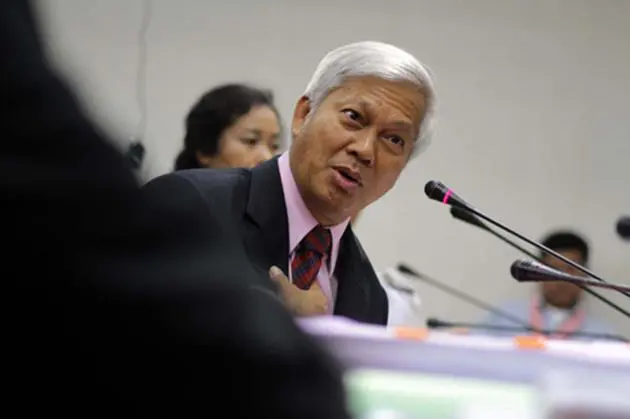


Former prime minister Thaksin Shinawatra is a fugitive living abroad, and therefore it is far-fetched to think that he can be tried as a conspirator on terrorism charges, retired chief prosecutor Chulasingh Vasantasingh said yesterday.
The accused is not living in Thailand and from a legal point of view, it is very difficult to link him to terrorism involving local protesters, who are capable of carrying out activities independently,” Chulasingh said.
In testifying to the House of Representatives subcommittee on political development, Chulasingh cited an analogy to justify his decision not to try Thaksin in connection with the 2010 political mayhem.
Should a chairman of a movement give an instruction from abroad, local people could still decide for themselves whether or not to heed such an order, he said.
Local people are fully capable of running protests, he added, arguing that the rallies had the potential to spiral out of control regardless of what Thaksin said or did.
Chulasingh said he was well aware that a lot of people would disagree with his decision, but dropping the terrorism charge against Thaksin was based on an unbiased prosecution review sanctioned by the Constitution.
“The attorney general is empowered to have the final say on a case being tried,” he said.
Chulasingh, who dropped the charge and closed the case against Thaksin just before his retirement last month, said that when making a decision to prosecute, he only had the legal merits of the case in mind – not the expediency of those being prosecuted just to please a certain political movement.
Some of his past decisions, such as the Philip Morris cigarette-tax case, had displeased the Pheu Thai Party, he said.
Reacting to Chulasingh’s decision, chief investigator Thawil Mangkang said the investigation report had recommended trying Thaksin. The report, compiled by the Department of Special Investigation (DSI), outlined the statements from witnesses that leading protest organisers had sought and received Thaksin’s instructions, Thawil said.
In submitting the investigative report for prosecution review, DSI director-general Tarit Pengdith endorsed the indictments against 26 suspects, including Thaksin. The indictments were based on alleged terrorist activities and alleged attempts to overthrow the government.
The DSI-collected evidence included a series of contacts between Thaksin and the late Maj-General Kattiya “Seh Daeng” Sawasdipol, seen as a proponent of arming the red guards.
However, the prosecution review cited Thaksin’s phone-in as weak evidence to link him to the violence that erupted.
Prosecutors took almost three years to decide to dismiss the charge against Thaksin, despite having previously ruled to try the 23 other suspects in the case. Because of his death, the charge against Kattiya was dropped.
