
Myanmar bans tourists from climbing ancient Bagan temples


Play
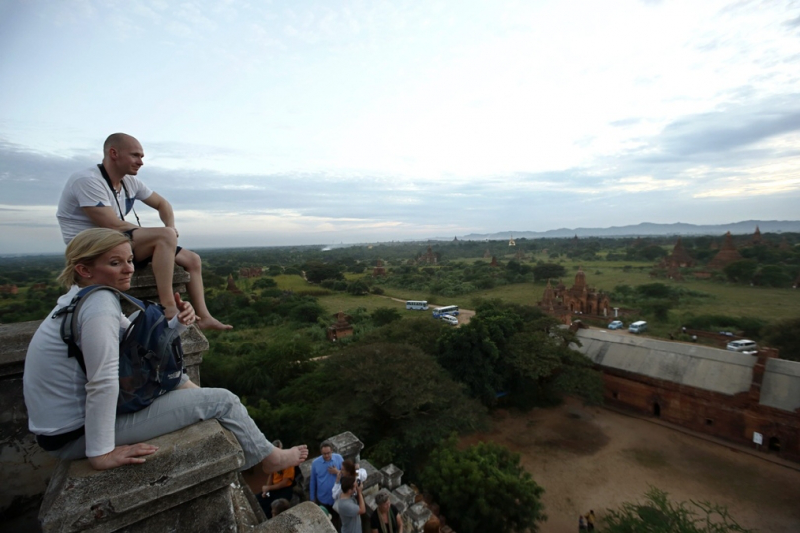
Yangon - Visitors will no longer be allowed to climb the ancient temples of Bagan, Myanmar, in an effort to preserve the monuments from the thousands of tourists who scale them to see the site's distinctive skyline every year, the government said Tuesday
Bagan's temples, many of them more than a thousand years old, are one of the most important collections of Buddhist architecture in the world, and a major tourist attraction in the developing country.
But experts have criticised the site's management for allowing almost unfettered tourist access, and the UN's cultural body has declined its application for World Heritage Site status largely because of several cosmetic restorations.
The Ministry of Culture's announcement came after a Chinese medical company held a corporate event on top of a pagoda. A video of the event was posted on social media on February 16.
The ban on climbing temples and pagodas will take effect from March 1, state-run media said, citing the ministry.
Visitors climbing the monuments, many of which have still-intact stairways and roof terraces, has a negative impact on the country's culture and religion, the ministry said.
Tourism professionals said the ban would have a big impact on the sector.
"One main reason tourists, especially from foreign countries, come here is to enjoy the sunrise or sunset from the ancient pagodas," said Win Zaw Cho, chairman of the Tourist Guides Association in Bagan.
The ban "would make tourists upset," he told dpa by phone.Tour operators have requested that the government limit the ban to monuments in imminent danger of damage, and continue to allow visitors access to the stronger ones.
- DPA
