
CORPORATE GOVERNANCE AND FLEXIBILITY KEYS TO BE THE SUSTAINABLE BRAND OVER A CENTURY


On the development road in the economic world, all organizations and brands have inevitably encountered many changes. Adaptation to changes is so important. With comprehension in natural and social circumstances and adaptation based on rationality, suffic
“The word “brand” used by western people means business, work, or activity. Brand building, in other words, is to build and operate the business, which is not different from living, that is, our movements must stand on the principles of morality and ethics.”
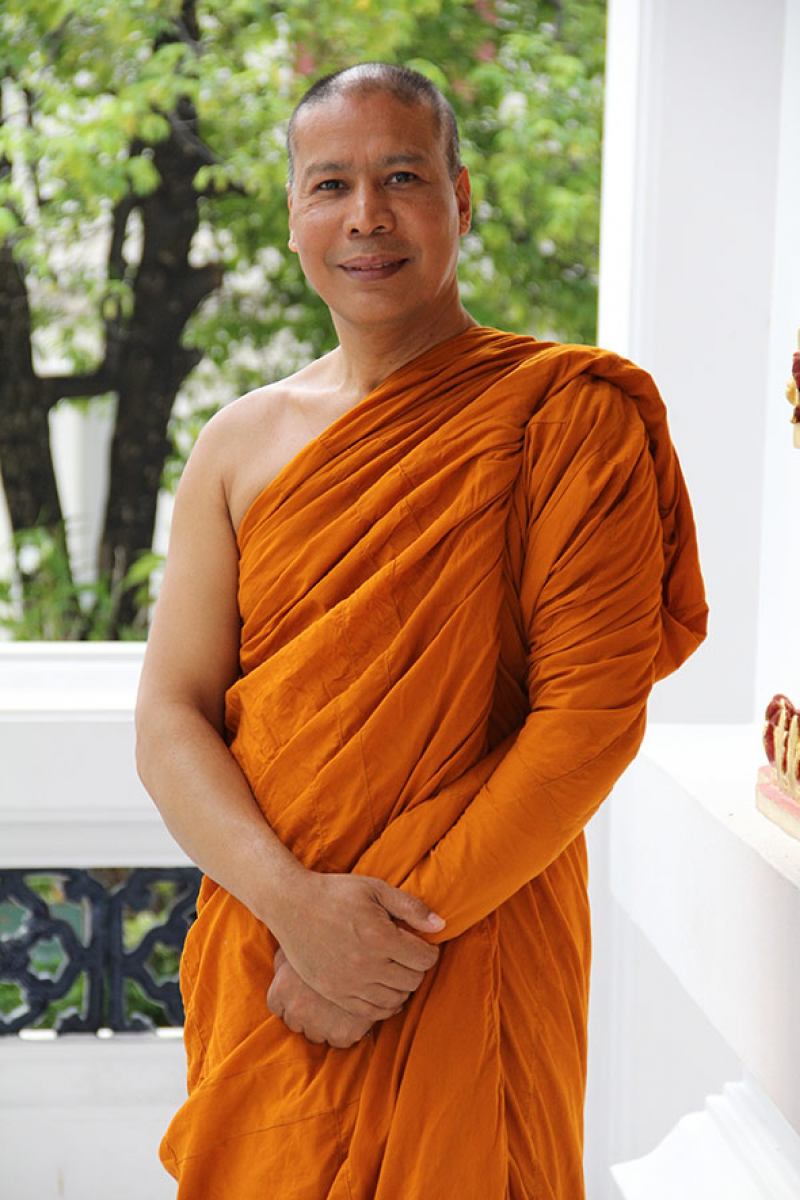
Phra Dr. Anil Dhammasakiyo, Phra Sakyavongsvisuddhi, Vice Rector for Foreign Affairs, Mahamakut Buddhist University, gave an idea that the business administration process in former times has been enchained by capitalism, which provoked a variety of attitude in business operations. In a period, capitalism was the mechanism stimulating many business organizations to grab the lowest and most cost-effective cost for their businesses.
“Capitalism is interpreted as using the capital to seek for the highest interest for oneself or it is called “Mine is Right”. One takes side with oneself; this leads to the social exploitation. If, one day, such capital is away, one cannot survive.”
Phra Dr. Anil clarified that the limited amount of resources aroused some questions about the organization and brand management that while the resources would exhaust soon, what the business sector should do for its sustainable survival.
“The world defines “sustainable”, which means how to live and develop oneself with no destruction to the world and society, no exploitation with the environment. The brand builders must look for the positive capitalism or they must balance rationality and morality. This is relevant to the Philosophy of Sufficiency Economy initiated by His Majesty the King. This is also consistent with Buddhism doctrine called “right livelihood” (Sammaajiva). The right livelihood not only means the good occupations; they must not exploit people around, provoke the prosperity for investors, offer the benefit to the society from such investment, and deliver the good environment to next generations.”
Another important viewpoint presented by Phra Dr. Anil, which may greatly spark the brand builders’ idea, was that development must involve self-flexibility.
“Today, we sell oil. But, if, one day, the world’s trend rejects oil while we continue insisting to sell it; meanwhile, everyone turns to conduct the research on the development of alternative energy. So, we cannot say that the business will be sustainable. Therefore, everything must be undertaken in the middle way. Sufficiency is the key.” Phra Dr. Anil raised the example.
If looking at the other side, one interesting case study is the reproduction of Buddhism cognitive process for the business administration, which helps overcome crises, and become the sustainable brand lasting over 100 years. This case study is B.Grimm Group of Companies. B.Grimm began in Thailand in 1878 by German pharmacist Bernhard Grimm and his Austrian partner, Erwin Mueller, who started a chemist and pharmacist’s shop in the reign of King Chulalongkorn.
Despite being a western company, B.Grimm’s business operation and development has been under Brahmavihara 4 in Buddhism and under the main concept of creating value and better quality of life for general people.
This vision of the Link Family and B.Grimm co-founder has been passed on to next generations. B.Grimm has expanded its business to the power, real estate, public health, and transportation sectors, so B.Grimm has been recognized and accepted in the business world as an organization with strong determination in caring for the society at any time.
“We are the first company to produce modern medicines in Siam and to create infrastructure by building the 1,500 km long Klong Rangsit irrigation systems together with the Snidvongse Family”, Khun Harald Link, Chairman of B.Grimm Group said. He mentioned about certain important missions carried out consistently by B.Grimm Group for the Thai society over 138 years, which included the development of educational system, the development of public health system, support for sport facilities, and support for Buddhism.
“What we recognize and value is to do business with concerns about the surrounding society. We do business with compassion. B.Grimm’s business key is to take the Buddhism regarding metha, karuna, mutida, and ubekha to conduct our business. We are introducing the principles of the gross national happiness (GNH) concept to enhance the sustainable happiness society.”
Khun Link stated and accepted that it was not easy for an organization found over 100 years to conduct the business among great social, economic, and environmental changes by decreasing resources. The important responses were the adaptation and innovations created to respond to the changing society and consumers.
He advised that, today, building a brand needs the holistic approach combining all good thought and positive ideas, and communicating the brand vision to enable general people to understand the brand concept and to create benefits for the world together. The final image is the sustainable brand.
“Previously, everyone thought first of producing and trading a product or providing a service relying on it to build the brand. Today, what added is to make the surrounding society and environment develop and get together with the brand.”
Come to meet over 50 global and Thai brand builders who will share their knowledge and experience under the concept of “Activating Purpose” in “Sustainable Brands 2016 Bangkok” on 11-12-13 October 2016. Please visit http://events.sustainables.com/sb16bkk/ for tickets.
