
Myanmar wraps up controversial census


Play
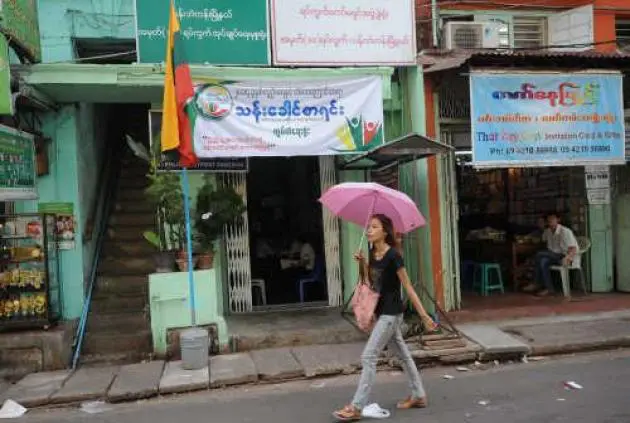
The country's first census in 31 years was wrapped up yesterday, despite lingering controversy on the ethnicity issue.
More than 10 million households have taken part in the survey, according to official figures for the first 10 days of the 12-day exercise, which is designed to plug widespread information gaps in the poverty-stricken nation. The 12-day, US$75million exercise started on March 30, involving 120,000 or so census workers spread out across the country and going door-to-door with a 41-item questionnaire.
The questionnaire will yield basic data on things like birth and death rates, maternal mortality, household income, employment, sanitation and fuel sources.
Early this month, each day about 10,000 Myanmar nationals returned to hometowns through Thailand's Mae Sot border checkpoint, to take part in the census. It was reported that they came from Bangkok and other provinces. Thailand is a major destination of Myanmar workers, reportedly employing nearly 3 million.
The checkpoint, connecting Myawaddy on the Myanmar side of the Moei river, normally accommodates the crossing of about 2,000-3,000 people a day.
The census period is ahead of the Thingyan, the traditional new year period which starts on April 13.
A Thai police said the number of Myanmar people crossing the checkpoint has been on the rise since March, to about 6,000 a day before rising to about 8,000-10,000 in April. Some workers also return home on the expiration of their work visas.
The census triggered international concern over a refusal to recognise the stateless Rohingya.
“The UK, UN and other international donors argued strongly for the right of all people to be enumerated fairly and to be able to self-identify their ethnicity in the census. In most areas where the census is being conducted, self-identification has been permitted. We are, however, deeply disappointed that the Burmese Government reversed its commitment to allow the Rohingya to self-identify,” said UK Foreign Minister Hugo Swire.
In a statement on www.myanmarnetwork.com, he noted that the international community provided significant funding to the census on the belief that it would be a critical step in the country's development process, underpinning better planning and delivery of vital services and infrastructure such as schools, roads and hospitals.
Swire expressed the concerns to Immigration Minister Khin Yi on March 26 and summoned Myanmar ambassador on April 7.
“I made clear that this decision is in contravention of international norms and standards on census conduct. We are engaging in further discussions, together with the UN, as to next steps on this issue.”
The UK donated US$17 million to the survey.
The United Nations Population Fund (UNFPA) also said last week that it was "deeply concerned" about the decision not to accept Rohingya as an ethnicity.
Activist group Burma Campaign UK has called on the British government to launch an investigation into its decision to back the tally. “British aid is paying for a census which discriminates against the Rohingya," the group said this week.
Following a fresh wave of unrest in the western state of Rakhine by majority Buddhists, minority Muslims were not allowed to register their ethnicity as Rohingya. International aid workers were forced out of Rakhine. A young girl was killed in the riots.
Prohibition of registration of Muslim Rohingya means potentially tens of thousands of Rohingya have gone unrecorded, while thousands more in conflict-torn northern Kachin were also missed out after ethnic minority rebels refused to allow enumerators into their territory.
Myanmar views the Rohingya as illegal immigrants from Bangladesh, despite many being able to trace their family back for generations in Myanmar.
The country's first census since 1983 has largely been carried out by an army of teachers and its 41 questions were designed to give policymakers a full picture of the country as it emerges from decades of direct military rule, which ended in 2011.
Critics warned the UN and donors in the run-up to the census that the tally had the potential to spark unrest, pointing out controversy over questions of ethnicity and religion in the survey.
They accused the organisers of focussing exclusively on technical issues and ignoring the political problems it could raise in the country formerly known as Burma.
Khaing Khaing Soe, director of Myanmar's department of population and a member of the Central Census Commission, told the Straits Times”: "It is very important for the government because they will use this census when they lay down their policy. When they undertake projects, they need to know the number of people in the project area."
The process may not be elegant, said Professor Sean Turnell, a specialist on Myanmar's economy at Australia's Macquarie University. But "even a partial set of data about these matters will be much better than what is available today"
The results of the census will be made public in August, with details out early next year.
