
Orchid and animal trafficking rife in proposed reserve


Play
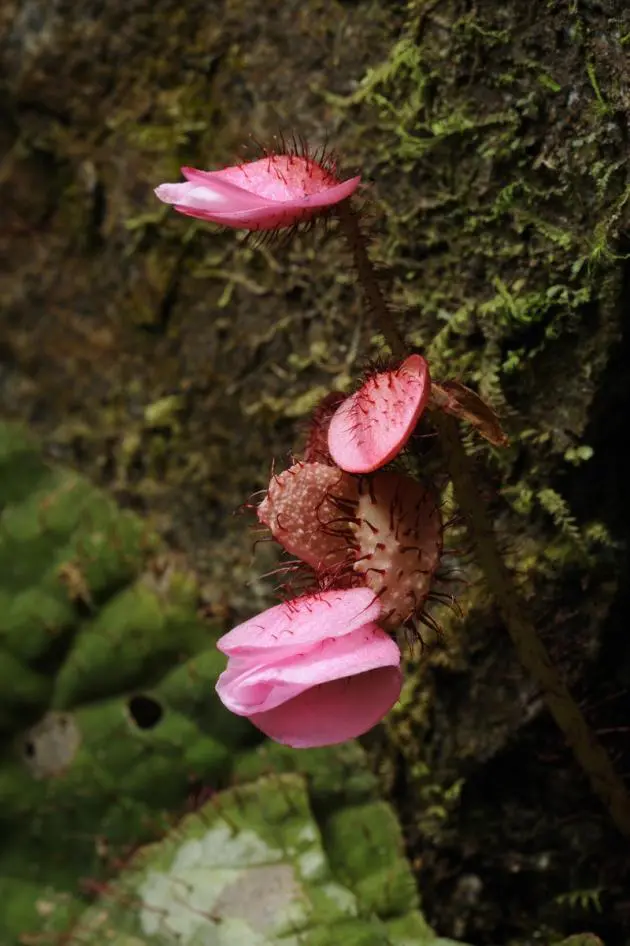
A large-scale criminal network is involved in orchid and animal trafficking in a remote area of Kachin State where the government is planning to create the Imawbum Nature Reserve, according to an environmental study on the region.
Many local residents are involved in the illicit trade that is spurred by demand for rare orchids and animal species in China. Methods often include the cutting down of trees and hunting of animals that pose a threat to many endangered species.
“The reach of anti-animal trafficking agencies is limited and the control over animal and plant contraband is ineffective, making it easier for hunting. The demand of market also adds the problem,” said Nyo Maung, a former professor at the Botanical Department.
“As locals sell these orchids to Chinese buyers by a weighing system, they don’t get good prices. They do not understand the value of orchids,” he added.
The Chinese buyers have also increased the demand for rare hardwoods such as Shorea assamica, eaglewood, Aquilaria malaccensis and Taiwania cryptomerioides leading to increased deforestation. The other rare animal species like the armadillo are also trafficked.
Myanmar has 18 plant species, seven reptiles and three mammals that are currently facing extinction, according to the Red List of International Union for Conservation of Nature.
The suggested nature reserve area in Imawbum encompasses 10,000 square miles (640,000 acres) and is situated in the northeastern corner of Kachin State.
The area borders China to the East, the Mayka River to the West, Khounlanphu town to the North and the Ngorchanka River to the South.
The study shows that one acre of the 25-year-old evergreen forest can absorb 42,756 pounds of carbon dioxide per year. And the mountain’s mixed forest can further absorb 44,519 pounds of carbon dioxide per year. The reserve forest is seen as a major carbon credit for Myanmar, the study shows.
