
Wine to make you sing
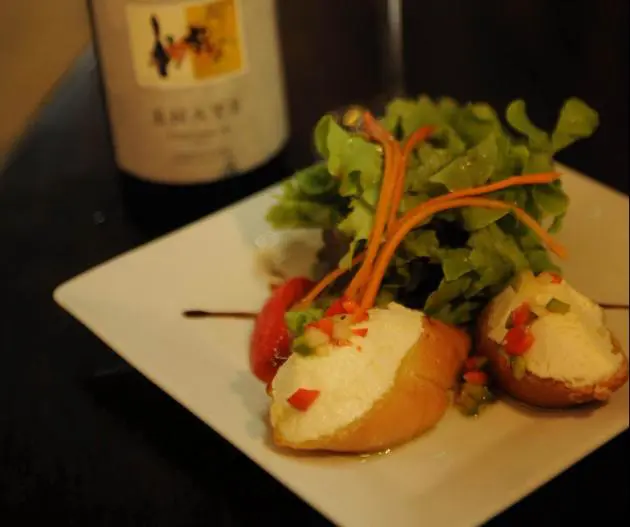


Wines from Spain’s Huesca region are sampled at a dinner hosted by Tapas Cafe
In Spain, when it comes to wining, they say “El vino, para que sepa a vino, bebelo con un amigo” - “For a wine to taste like real wine, it has to be drunk with a friend.” That’s exactly what happened at the recent Spanish wine dinner at Tapas Café on Sukhumvit Soi 11 held to introduce a new collection of wines from Enate Winery located in the foothills just south of the Pyrenees.
Just as Spain evokes art and music, Enate is celebrates wine and art. Enate labels are masterpieces in their own right, designed by famous artists, young and old. With this concept in mind, FIN, a boutique wine importer led by Benjawan Wisootsat and Jan Ganzer, organised an evening of Spanish food, wine, art and music.
Enate is a modern, “aseptic” winery with an artistic soul, located in Huesca of the Somontano region in Aragon. The region is blessed with dramatic temperature variations between the day and night, which are ideal conditions for growing highly quality grapes. The vineyard practises ecologically conscious viticulture: due to the altitude of 550 metres above the sea level, the vineyard has low air humidity, allowing for a reduction in the treatments of the vine. Enate produces 85 per cent red wines, 10 per cent white wines and five percent rosé. Grape varieties grown here include cabernet sauvignon, merlot, and tempranillo, chardonnay and geürztraminer. Ageing is done in French and American oak barrels.
With the hope of discovering the flavours of Somontano, we got to sample these wines during the course of a fabulous six-course dinner, which verged on the spicy.
After a glass of sangria, we tucked into Trigueros a la Plancha (griddled green asparagus) with roast apple and goat cheese salad, paired with 2010 Chardonnay 234 DO, Enate Somontano. In fact, “234” is the name of plot of land where the chardonnay is grown. This unoaked Chardonnay has an intense bouquet of apple, peach, fennel and exotic fruit (guava, passion fruit) with a discrete mineral background.
Next came Gambas al Ajillo (prawns in a spicy garlic sauce), served alongside grilled Chipirones Plancha (grilled baby squid) and Mejillones Rellenos (deep-fried stuffed mussels). There was plenty of sliced garlic and dried chillies in the prawn dish, and many of the Spaniards took pains to avoid the red chillies. Partnered with this course was 2009 Gewurztraminer, a dry and peppery wine, blessed with aromas of honey and roses. Though usually matched with strong cheese and foie gras, the wine worked well to get rid of the garlicky smell on the palate on this occasion.
The next course – a mixed paella of seafood and chorizo - was matched with 2010 Rosado Cabernet Sauvignon, which goes well with rice dishes and pasta. I asked a new Spanish friend by my side if the dish was authentic. She said the rice served was too sticky. In Spain, it was loose. With scents of strawberry and pepper, the rose is quite powerful, thus an ideal substitute for beer or even whisky.
We then were served suckling pig with apple compote, which I only sampled as I was already full. My Spanish friend commented that the pig should have been crispy.
I bypassed the next course, spicy lamb skewer, in favour of the dessert, crème catalan, which was paired with 2008 MR Mountain Wine, Telmo Rodriguez, Malaga, my preferred wine of the night. Pairing well with foie gras, this wine, which is 100% Moscatel from Malaga fermented and aged in stainless steel, is medium sweet, with tastes of spicy apricots, honey and tropical fruits.
I went home a happy man with a Spanish proverb ringing in my ears.
“El agua hace mal, el vino cantar” (water makes you sick, wine makes you sing.).
How true!
