
Princess Sirivannavari to preside over Thai dress show in Tokyo
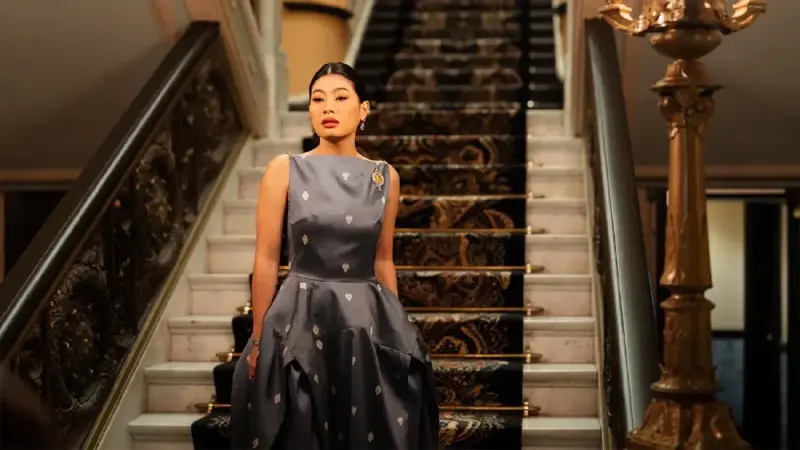


Tokyo’s Thai costume showcase features eight women’s styles, three men’s styles and traditional crafts, with Princess Sirivannavari presiding on September 18.
The Department of Cultural Promotion, under Thailand’s Ministry of Culture, will host “Chud Thai: Knowledge, Craftsmanship and Practices of the Thai National Costume” at the Hyokeikan building of Tokyo National Museum in Tokyo, Japan, on September 17-18, 2026. The event marks an important cultural milestone in efforts to develop and share knowledge of Thailand’s national costume with an international audience.

Her Royal Highness Princess Sirivannavari Nariratana Rajakanya will preside over a fashion show on Friday (September 18), featuring all eight styles of Chud Thai Phra Ratchaniyom, or royal Thai dress, alongside three styles of royal-design shirts for men, known as suea phraratchathan.
The event will also feature demonstrations of traditional Thai jewellery-making and other highly skilled crafts. These will include jewellery-making and decorative metallic-thread wrapping, silk embroidery on frames, silversmithing and goldsmithing, fabric handbags decorated using traditional gilding techniques, and silk woven with auspicious motifs.
The crafts will be presented through contemporary design, highlighting their artistic foundations. Rather than treating them simply as historical artefacts, the event will portray them as a living heritage that can continue to evolve.

The royal origins of Thai national dress
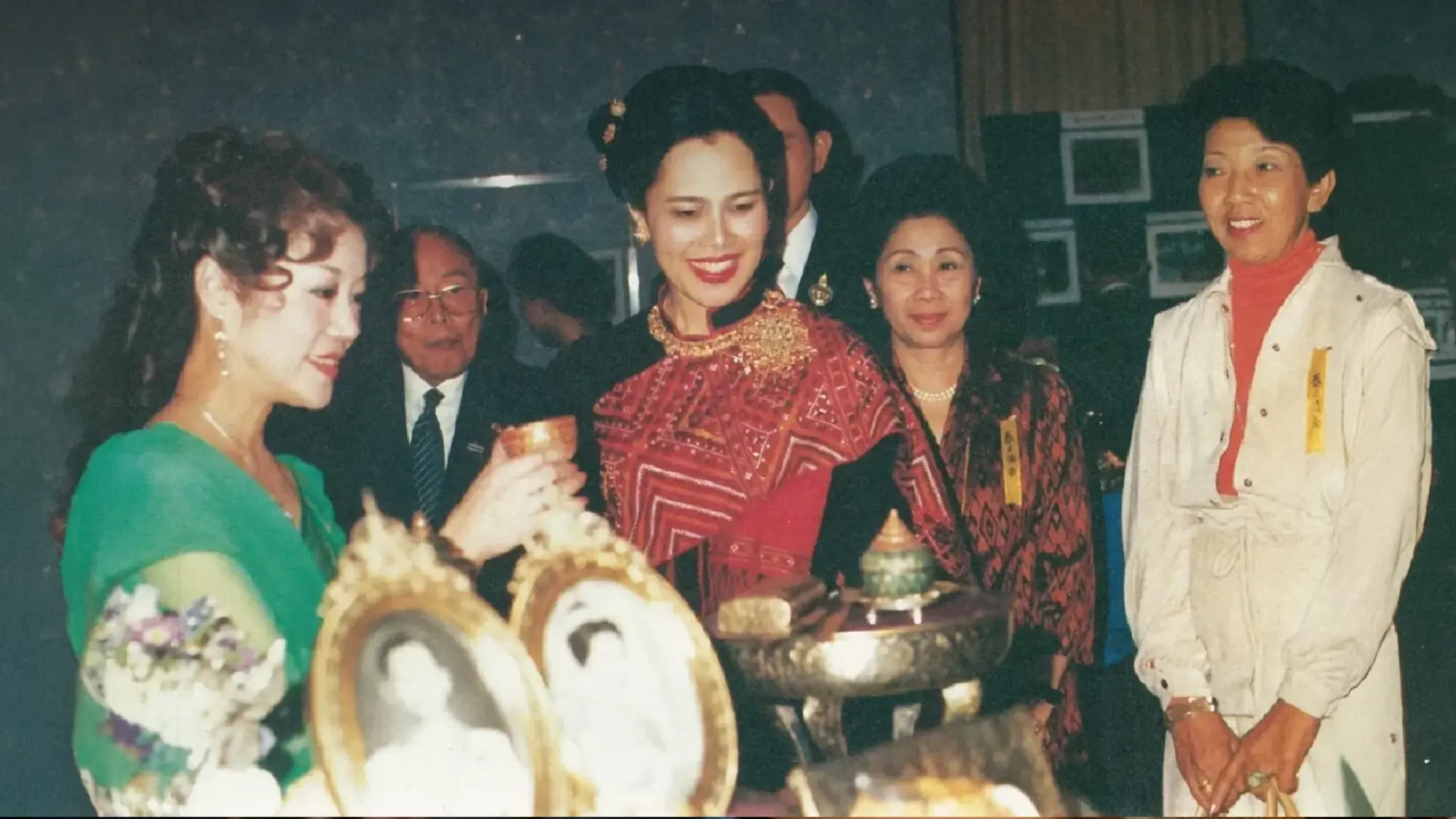
Efforts to develop and share knowledge of Chud Thai internationally are rooted in the commitment of Her Majesty Queen Sirikit The Queen Mother to preserving and passing on Thailand’s artistic and cultural heritage. Clothing, as a defining expression of national identity, was a particular focus.
The Queen Mother systematically studied historical evidence of Thai women’s clothing, including the evolution of court dress across different periods. She commissioned historians and designers to work together on developing Chud Thai Phra Ratchaniyom as a standard of dress for Thai women, appropriate both to the country’s cultural traditions and to modern Thai society.
The resulting designs became models of contemporary Thai dress, combining modesty and elegance with practicality for royal engagements at home and abroad.

Chud Thai Phra Ratchaniyom comprises eight styles: Ruean Ton, Chitralada, Amarin, Boromphiman, Dusit, Chakri, Siwalai and Chakkraphat. They were named after throne halls and royal residences in the Grand Palace and Dusit Palace. Alongside them are three styles of royal-design shirts for men. Together, they reflect the dignity and pride of their wearers and the evolution of Thailand’s longstanding clothing heritage.
Over the years, the Queen Mother wore Chud Thai Phra Ratchaniyom on many occasions, using clothing as a “cultural medium” to convey Thailand’s identity internationally. The outfits drew admiration and international recognition, particularly during her official visits to the United States and European countries, including the Netherlands, in 1960.
Her collaboration with French designer Pierre Balmain also played an important role in showcasing the beauty of Thai silk through haute couture.

A living heritage on the international stage
In 2024, the Cabinet approved the nomination of “Chud Thai: Knowledge, Craftsmanship and Practices of the Thai National Costume” to the United Nations Educational, Scientific and Cultural Organisation (UNESCO) for inscription as intangible cultural heritage. The nomination is due to be considered at the 21st session of the Intergovernmental Committee for the Safeguarding of the Intangible Cultural Heritage, meeting in Xiamen, China, in December 2026.
Chud Thai Phra Ratchaniyom is a treasured cultural legacy bestowed on the Thai people. It provided a starting point for developing Thai identity in a global context and continues to inspire creative development across many fields.

Today, the tradition continues to be preserved and developed, demonstrating Thai culture’s ability to adapt to changing times while retaining its essential character.
The Tokyo presentation therefore goes beyond preservation to offer a contemporary interpretation of this heritage. It presents craftsmanship as a cultural asset and Thai identity as a living expression, with the aim of building lasting international recognition.
