
'Health' is a sacred word


Play
Health is one of the most precious forms of wealth, yet is often overlooked. Too many people spend most of their lives working to acquire financial wealth while they remain healthy, only to fall ill and have to use all their money on remedies. Restored he
“Arogyaparama labha,” the Lord Buddha said. “Health is the greatest gift.” When we are in good physical health, our mental health is also good. Good health enables us to perform all kinds of good deeds with flexibility of movement and brightness of mind.
A healthy person finds plain drinking water tasty and refreshing, whereas an unhealthy person will find even a costly glass of wine bland and tasteless. A room full of jewellery, ample cash in the bank, a stately home, luxury cars – nothing helps, because these are all “outside” factors, and disease is “inside” the body.
So if you’re still in good health, don’t spend your life recklessly! Never forget the “middle path”, the balance necessary between your work and your life outside work. If you do fall ill, don’t be discouraged by the treatment. And, if worse comes to worst and the disease cannot be treated, don’t be disheartened – keep telling yourself, “My body might get sick, but my mind will not!”
In the Buddhist perspective, ailing people are not at all desperate. On the contrary, in sickness they have the golden opportunities to practise the dharma. In the canonical text are stories of several such people, both ordained and laymen, who became enlightened after falling seriously ill.
I read about a young yoga teacher with an incurable bone disease who became disheartened after spending a small fortune on treatment. Then he turned on the TV and saw a lesson on meditation combined with yoga science. It inspired him to take up the practice, and within half a year, his disease totally disappeared.
This is illness turned to luck, a true friend accidentally met. Not only is the illness cured but a new life, a new career and a new world have been found. And yet some perceive illness as only misfortune. Instead of finding the proper cure, both physical and mental, they become pessimistic. They think, “Why me rather than others who risk their lives smoking, drinking and overworking and yet remain unaffected?” They become resigned to their own fate because they regard the disease as predestined. They live on in bitterness and delusion.
Delusion comes from ignorance – from not knowing what exactly caused the disease or, if you know that, from being unable to find a cure. In ignorance, a “false explanation” is created, and then repeated until you come to believe it. As a result, the physical ailment is not treated, and the mental ailment festers on top of that.
There was a member of a hilltribe who suffered from tuberculosis, but, in his ignorance, believed he had Aids, and that there was no cure for Aids. He abandoned all hope and struggled on until he was brought to hospital. He had tuberculosis, he was told, and it could have been cured early on. Now it was too late. He died soon after, not from tuberculosis but delusion.
When you fall ill, ask yourself whether you are physically or mentally ill. With proper diagnosis, the treatment might differ significantly, but the results are always more satisfactory.
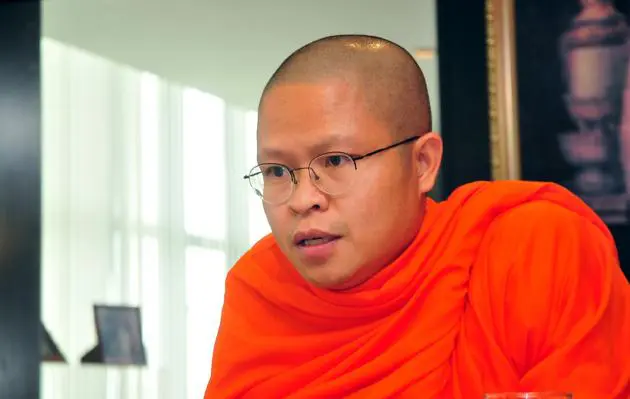
This column by prominent Buddhist preacher Phramaha Vudhijaya Vajiramedhi, better known by his pen name V Vajiramedhi, appears on the first Sunday of every month.
