
Switching off and staying safe


Play
With an increasing number of accidents taking place on train platforms, smart phone users are asked to avoid using their devices
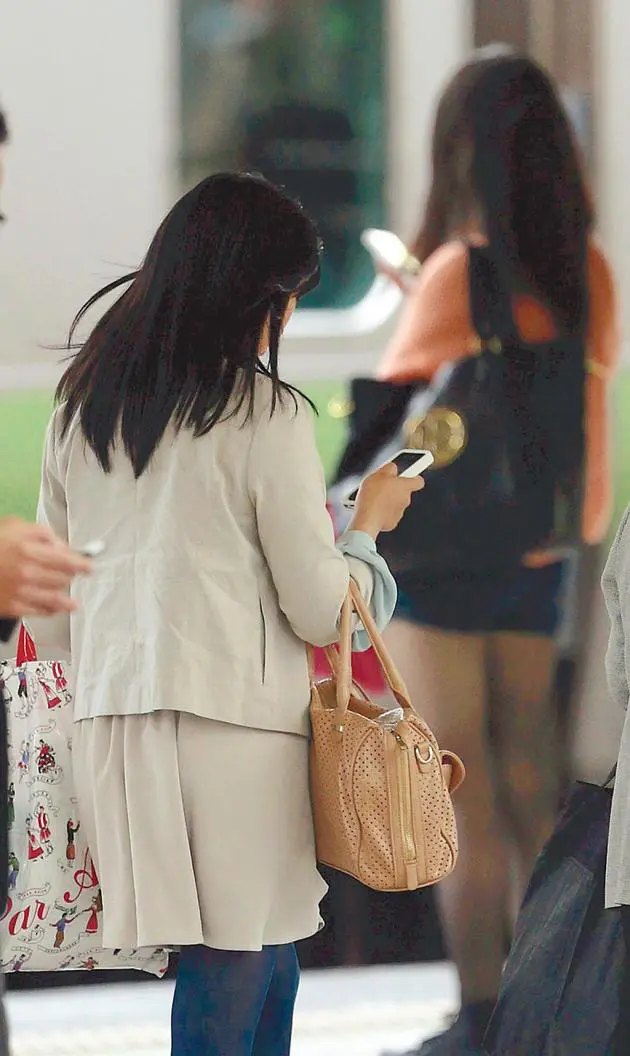
Mind your step and refrain from using smart phones. Railway companies are asking people to avoid using smart phones while walking in light of the increasing number of smart phone-related accidents on train platforms.
After the rapid spread of mobile phones, and smart phones in particular, it is common to see some people walking with their eyes glued to their smart phone screens. But such behaviour can be dangerous.
On Monday, a fifth-grade primary school boy fell onto the tracks at JR Yotsuya Station in Tokyo because he was reportedly using his mobile phone while walking. The accident has prompted the transport ministry and railway companies to urge the public to refrain from using mobile devices on platforms. According to the Metropolitan Police Department, the boy did not pay attention to where he was walking because he was focused on his mobile phone, causing him to slip on the platform. He fell onto the tracks just as a train was pulling into the station.
An emergency brake was activated and the boy was able to escape into the gap under the platform. While he managed to avoid being hit by the train, he was slightly injured. The danger posed by people walking while using their mobile phones is not limited to train platforms.
In mid-May, Katsumi Tokuda, a University of Tsukuba professor specialising in barrier-free environment studies, surveyed 650 university students in the metropolitan area and the Kansai region. According to the survey’s results, 398 respondents, or 61.2 per cent, said they frequently or sometimes collide with passers-by when using smart phones or other mobile devices while walking.
“This survey targeted students, but the figure could have been even higher if it covered a wider age bracket,” Tokuda said.
Kazuhiro Kozuka, an Aichi University of Technology professor and a traffic engineering expert, conducted an experiment measuring the decrease in a person’s field of vision while playing a game or tweeting on a smart phone while walking.
In the experiment, a device was attached to a hat to track a smart phone user’s eye movements while walking. The study’s findings revealed that ambulatory smart phone users’ horizontal field of vision was reduced to one-third of what it normally was.
“Smart phones are much riskier than ordinary mobile phones,” Kozuka said.
Users are likely to keep their eyes glued to their smart phone screens since the devices are able to display a massive amount of information, according to Kozuka.
The trend is a serious problem for railway companies. Three years ago, they began asking people to refrain from using mobile phones during rush hours to prevent mobile-phone related falls at train stations.
About half of the nation’s population is said to use smart phones.
