
In Japan, it's time to dance again
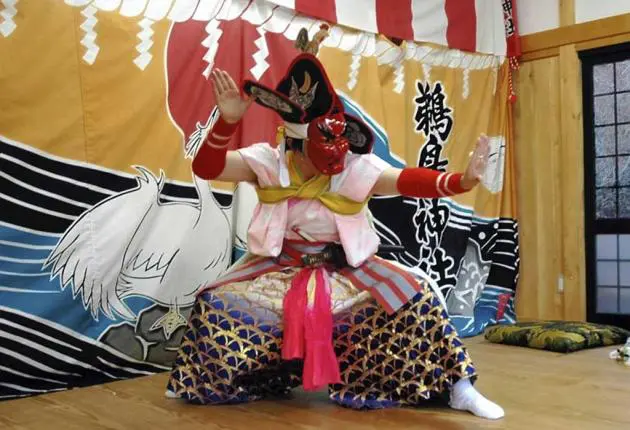


A traditional dance troupe prepares to resume a tour that the 2011 tsunami aborted
In an effort to “reclaim a normal life”, a traditional-dance tour dedicated to a diety enshrined in a Japanese village will resume in January, nearly three years after the Great East Japan Earthquake devastated the area.
The dance, Unotori Kagura, has been passed down through generations of yamabushi ascetic hermits in the village of Fudai to offer prayers to the god of the Unotori Shrine in the village in Iwate Prefecture for the safety of families and good catches of fish.
It is believed the dance originated in the Meiji era (1868-1912). The tour is known to herald the arrival of spring in the coastal area of the prefecture.
The dance has been performed in recent years by a preservation society that comprises 12 residents of Fudai and neighbouring Tanohata, whose ages range from the teens to the 80s.
The performance is presented at stops on a lengthy tour between Kuji in the north of the prefecture and Kamaishi in the coastal area. It takes a northbound route one year and a southbound route the next. The dancers perform in private homes and public halls.
Since the dance is partly a celebration of nature, the tour went on hiatus after many of the households that had accommodated its members were hit by the March 11, 2011, earthquake and tsunami.
Michitaka Fukawatari, 50, a Fudai municipal-government employee and a member of the society, delivered monetary donations two months after the disaster at two dozen locations that had provided venues for the tour. Many households near the sea lost loved ones in the disaster.
“Kagura is a celebration,” he explains. “We couldn’t perform the dance while many people were grieving.”
To support the group while it could not tour, the Tokyo civic government and universities in the Kansai region invited it to perform. Since the earthquake, it has performed in Tokyo and Kobe by invitation. The group decided to revisit the coastal sites of past shows to seek opinions about resuming the tour.
Ko Yamamoto, 23, who returned to Fudai in April after finding a job at a children’s-care centre, plans to join the group again. “I’d like to deliver the same performance we did before the disaster,” he says. “I want to make the audiences feel happy and encouraged.”
