
That spirit of independence


Play
Japanese product design is an aesthetic blend of simplicity and pragmatism
Japan has a long tradition of designing products for the home market. For hundreds of years – up until the second half of the 19th century – Japan followed a strict isolationist policy that created an independent spirit in design.
“We don’t have a very long tradition of furniture design,” says Toru Shimizu of the Tokyo firm Monokraft. “Not until chairs appeared with a picture of the emperor printed on them 130 years ago did Western furniture begin to very slowly become fashionable in Japan.”
Shimizu designs wooden furniture without the use of screws or other metal components. “Humidity can be very high in Japan. Wood would just warp around metal and break,” he says.
One of the most sought-after designers in Asia is Oki Sato of the Studio Nendo. Nendo means “modelling clay”, and here is meant to suggest something malleable. “I’m not sure, but Japanese design is often described as simple and functional. It’s an aesthetic form of design but it’s also fun,” says Sato in describing what’s special about design from his country.
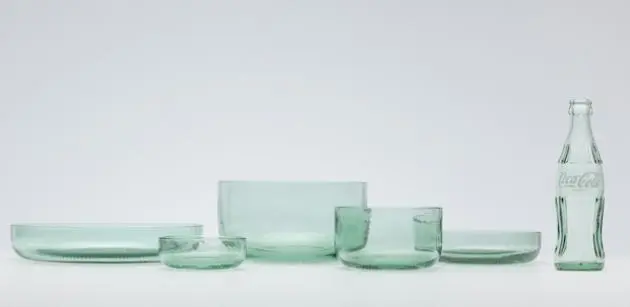
What is the secret to Sato’s success? “The most important things for me are fresh ideas and the story that stands behind a design. Perhaps that explains why some people think it’s quite poetic,” he says. Two items designed by Sato illustrate this idea best: his Farming-Net light made from nets and his Bottleware glass bowls made from recycled Coca-Cola bottles.
Petter Neby aims for sustainability in his products. The Norwegian founded his household appliances firm Punkt in 2008 because he couldn’t find a certain kind of alarm clock. “I believe one of the most important questions in design today is ‘What do we really need around us?’ That can play a role in the aesthetic quality of an object and in improving the quality of life.”
Punkt works in cooperation with British designer Jasper Morrison, who spent years in Japan. In six years Punkt has come up with just three designs: the AC 01 alarm clock, the DP 01 telephone and the ES 01 extension socket in black, red and white. The alarm clock is also available in silver.
“We wanted to return to the stage when humans used products and not when they were the tool of products,” says Neby. “In this respect the ultimate use of reduction in design is for the consumer.”
The basic principles of Asian culture are equilibrium and harmony expressed through clear design and perfectly matched materials and shapes. And as Petter Neby has said, “It’s not about making something beautiful – it’s about giving meaning to an object.”
