
Former narcotics chief challenges airport X-ray claim after Thai crew drug arrest
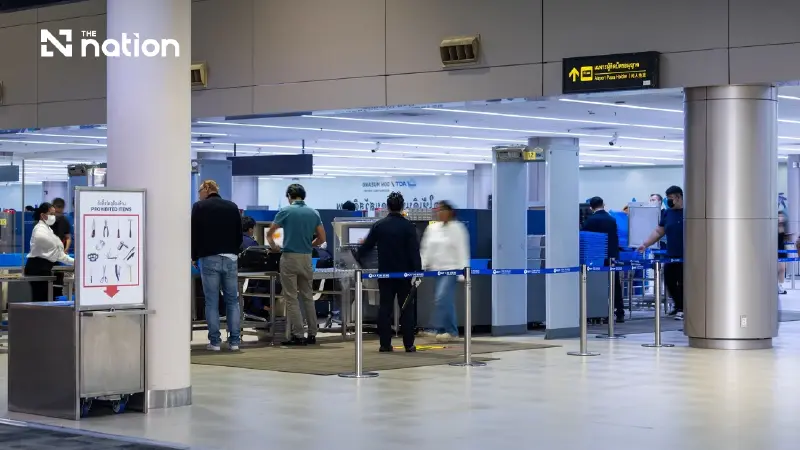


A former ONCB chief has disputed claims that Suvarnabhumi Airport X-ray machines cannot detect drugs, deepening scrutiny of Thailand’s outbound screening procedures after a Thai airline employee was arrested in Australia.
A former Thai narcotics chief has challenged claims that airport X-ray machines cannot detect drugs, intensifying questions over how a Thai airline employee allegedly passed through outbound screening at Suvarnabhumi Airport before being arrested in Australia.
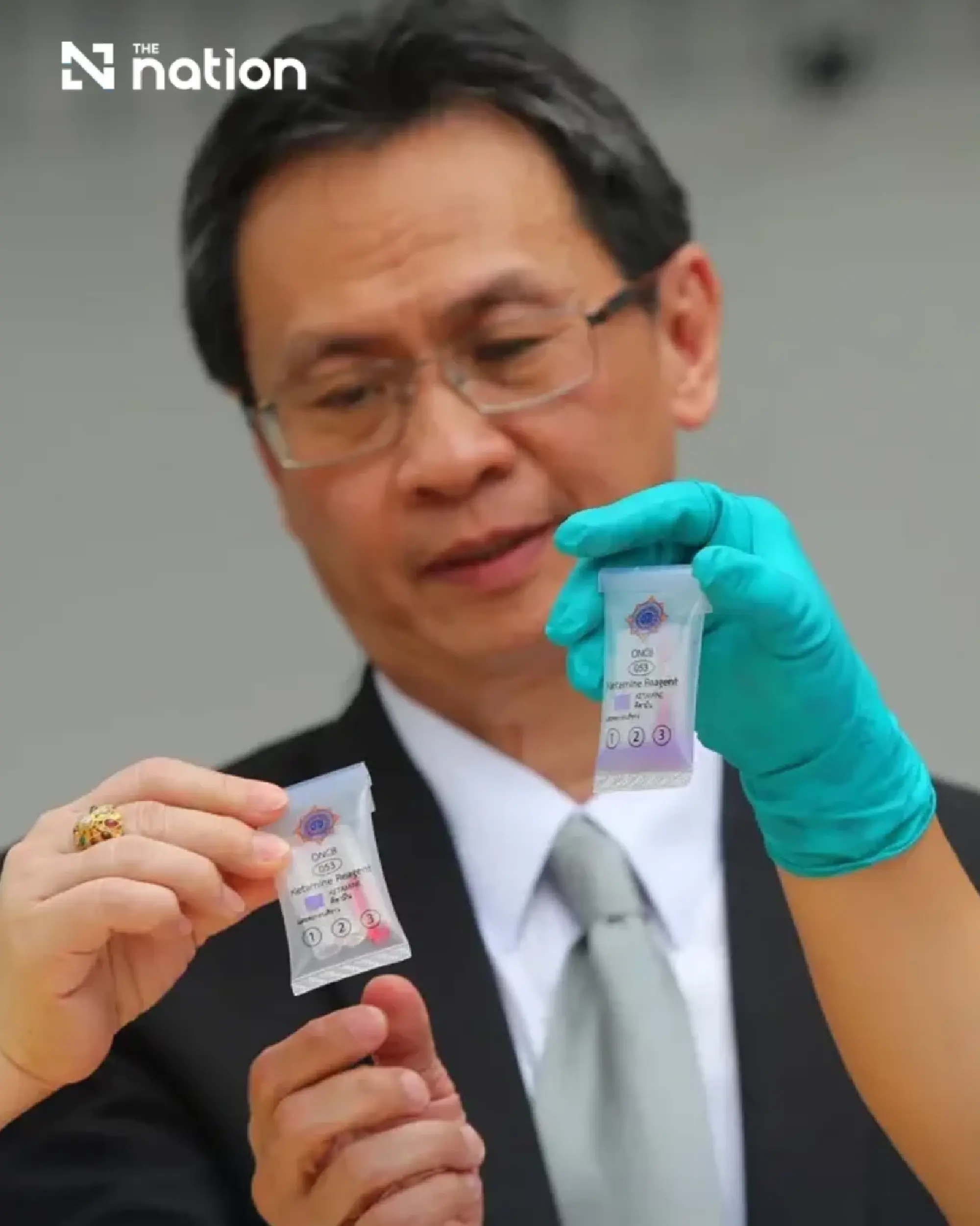
Niyom Termsrisuk, former secretary-general of the Office of the Narcotics Control Board (ONCB), said airport baggage X-ray machines were technologically capable of detecting narcotics, but their effectiveness depended on how officers configured the system and what types of threats they instructed it to prioritise.
His remarks directly questioned earlier explanations from Suvarnabhumi Airport that the crew member’s luggage had passed standard security screening before departure and that the airport’s outbound baggage X-ray system primarily focused on detecting explosives or explosive substances.
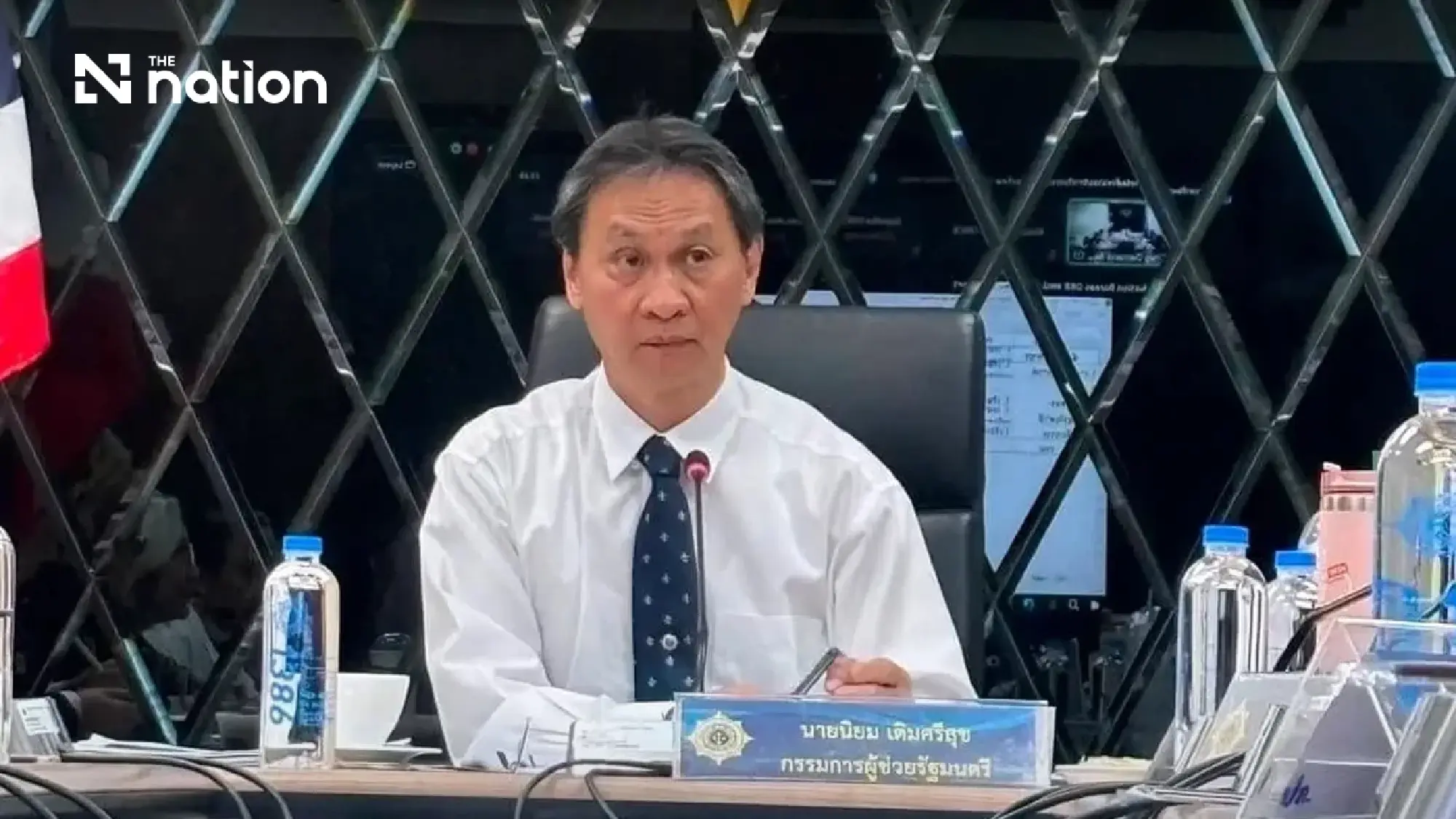

Former ONCB chief questions ‘drugs cannot be detected’ claim
Niyom told the “Khao Khon Khon Khao” programme that the issue was not simply whether the machines had the capability, but whether the system was set to focus on weapons, metal objects, narcotics, explosives or other substances.
“The machine has that capability. The question is how the mode is set and what it is set to focus on,” Niyom said, adding that suspicious objects should lead to a manual inspection to confirm what has been detected.
He said any suggestion that airport X-ray machines could not detect narcotics was a flawed explanation and ran against common sense. In his view, technology alone was not the decisive factor; the key lay in the system settings, the judgement of frontline officers and follow-up checks when anything suspicious appeared.
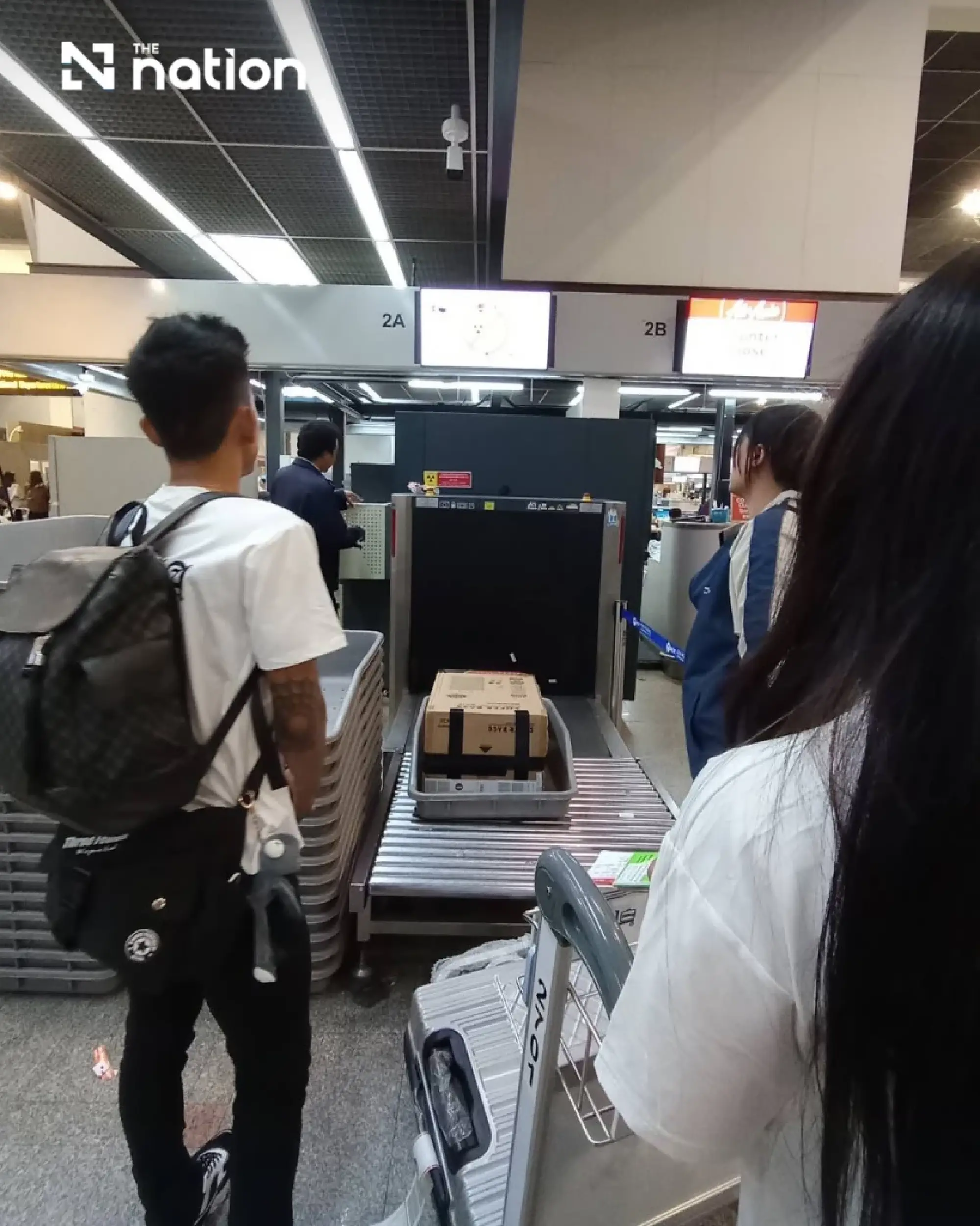

Suvarnabhumi said system focused on explosives
Suvarnabhumi Airport earlier said the Thai crew member’s baggage had undergone full X-ray screening through the outbound baggage conveyor system and was cleared after the system showed no explosives or explosive substances. The airport described the system as an automatic Explosive Detection System, designed primarily to detect explosives for aviation-security purposes.
Kittipong Kittikachorn, director of Suvarnabhumi Airport under Airports of Thailand, also said the airport’s X-ray systems met ICAO standards and that outbound screening for international flights primarily focused on explosives to prevent in-flight threats.
The explanation has fuelled public debate because Australian authorities allegedly detected the drugs after the crew member arrived at Melbourne Airport. A Thai airline employee was charged with importing more than one kilogram of heroin into Australia after Australian officials found the drug concealed in tote bags. Thai Airways said the 26-year-old woman was working as a flight attendant when she arrived in Melbourne on June 25.
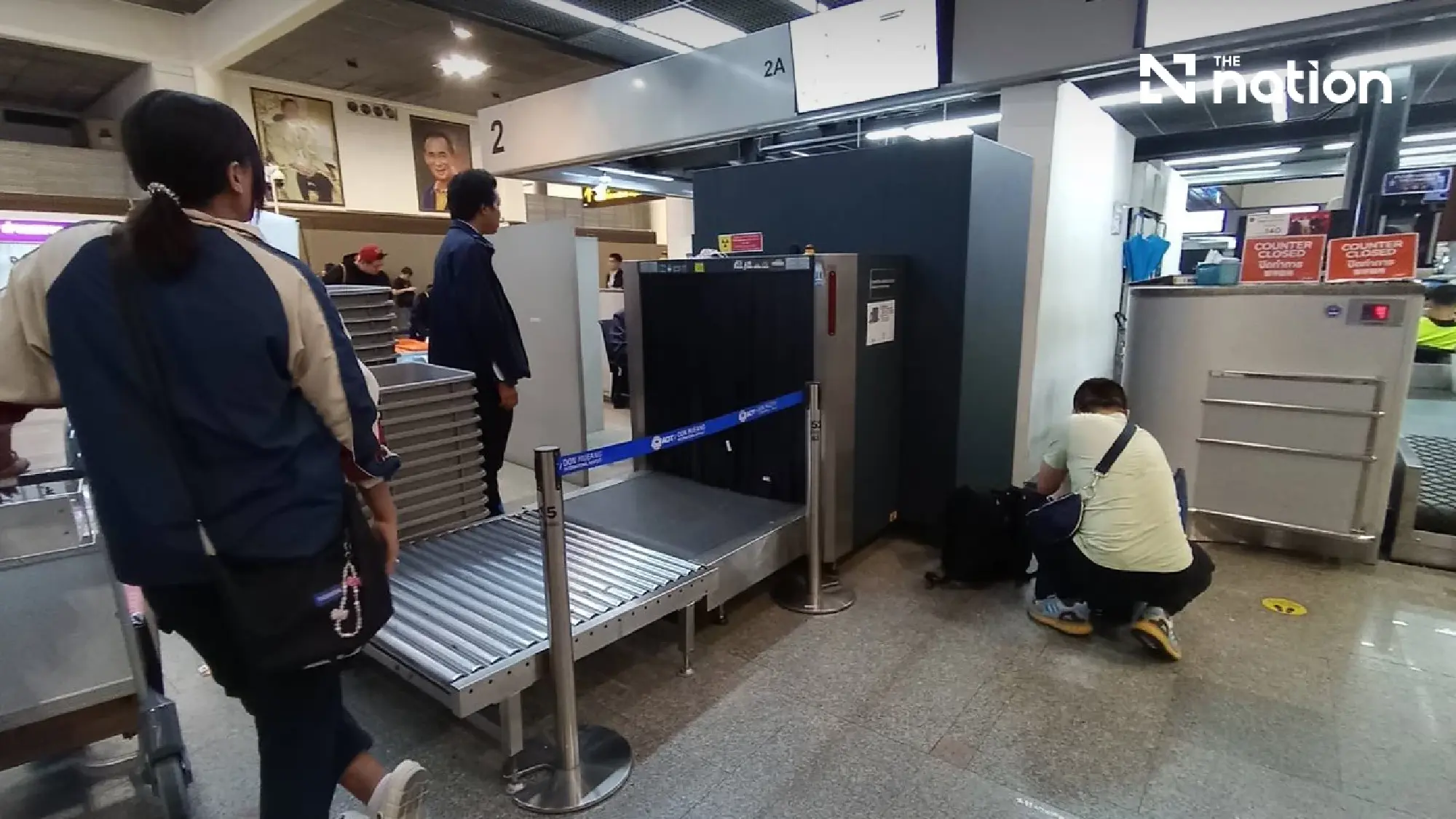

Case raises wider questions over outbound checks
The case has shifted from an individual criminal allegation into a broader test of Thailand’s airport-security procedures. The central question is whether the apparent gap was caused by technology limits, system settings, staff workload, human judgement or screening practices for aviation personnel.
Niyom said baggage-screening measures should apply equally to all passengers and airport personnel, including crew members. He said there should be no exception for airline staff, despite public speculation that aviation personnel may have received lighter checks.
Deputy Prime Minister and Transport Minister Phiphat Ratchakitprakarn has said Suvarnabhumi screening was not lax, but acknowledged that checks on aviation personnel, including pilots and cabin crew, would be tightened and brought closer to the standard applied to ordinary passengers.

Technology alone ‘not the solution’
Niyom also argued that buying new X-ray machines was not the main solution. He said drug interception at airports depended on a combination of technology, officer experience, behavioural observation, intelligence and proper inspection procedures.
He said frontline officers also faced pressure from heavy passenger traffic, including from tourism-promotion measures, which could encourage faster processing and create opportunities for criminal networks to exploit gaps in enforcement.
Prime Minister Anutin Charnvirakul has ordered an urgent meeting with narcotics-suppression agencies and Airports of Thailand on Friday, July 3, after his return from France, to review measures and close loopholes in the system.
The former ONCB chief’s comments have therefore sharpened the focus on accountability: whether Thailand’s airport checks failed because the equipment could not detect drugs, or because the system was not being used, configured or supported in a way that could identify them before departure.
Source: Nation TV
