
Iran says Oman talks alone cannot reopen Strait of Hormuz
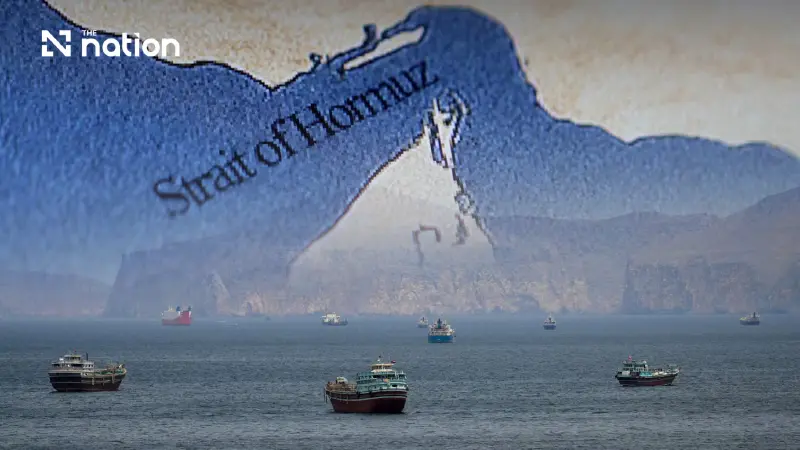


Tehran reports progress on a temporary shipping lane but says wider security guarantees and an end to US attacks are needed to reopen the strait.
Iran has reported progress in talks with Oman over a temporary safe shipping route through the Strait of Hormuz, but says an agreement between Tehran and Muscat alone would not be enough to reopen the strategic waterway.
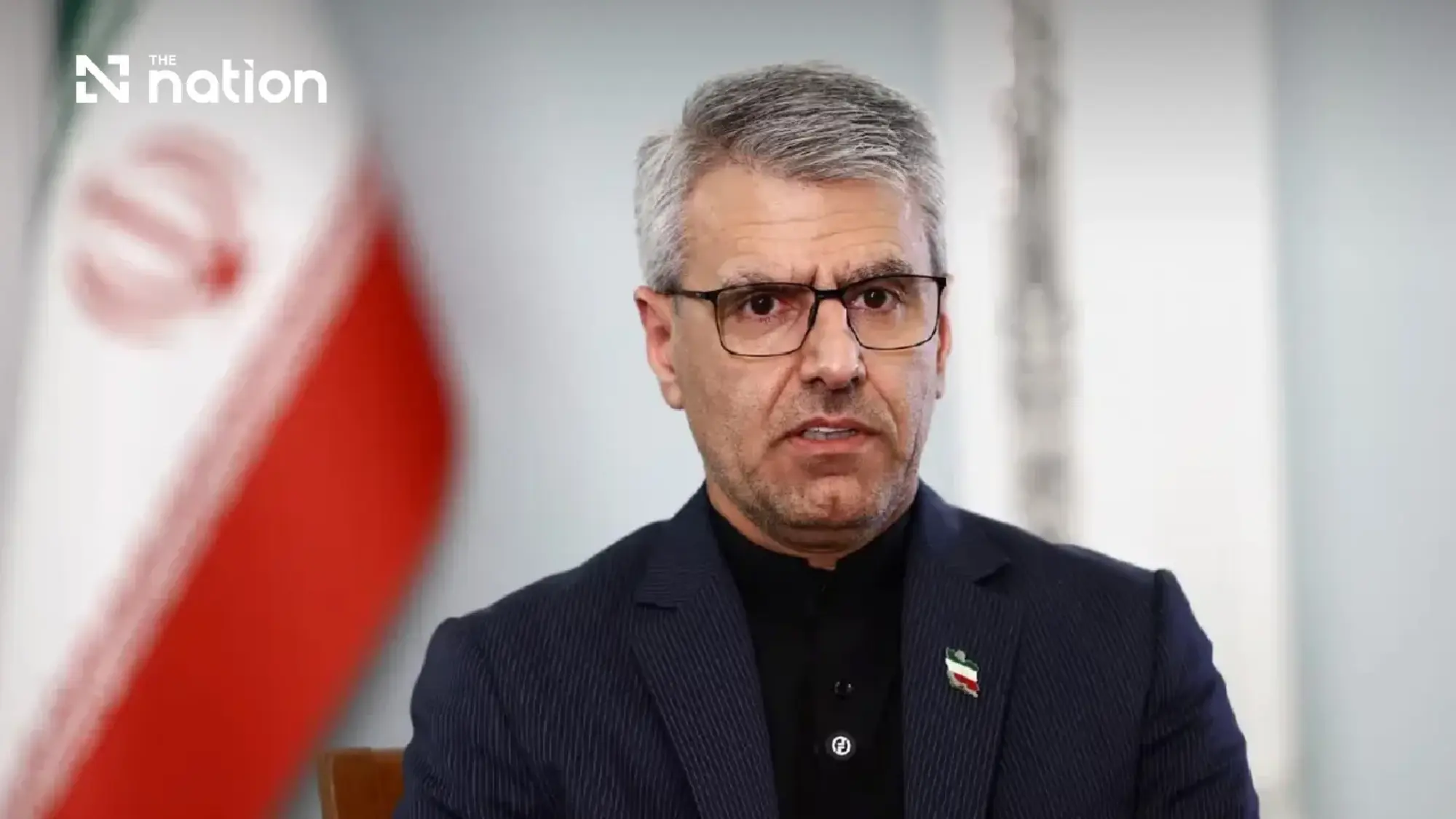
Iranian Foreign Ministry spokesman Esmaeil Baghaei said the two countries had been holding discussions for seven or eight days and had achieved some progress. Tehran was also in contact with officials from within and outside the region, he added.
Countries on both sides of the strait were discussing a temporary maritime route that would allow ships to pass safely through the area.
Baghaei said an agreed route and guarantees for the safety of maritime transport were necessary conditions for reopening the strait. However, he maintained that resolving the shipping issue with Oman would not address the wider conditions behind the disruption.

Tehran calls for end to US attacks
Baghaei called for an end to US attacks on Iran, arguing that the situation in the Strait of Hormuz had not resulted from disagreements between Tehran and Muscat.
“The Strait of Hormuz was not closed because of differences between Iran and Oman,” he said, blaming what he described as military aggression by the United States and Israel for problems affecting the waterway.
The spokesman confirmed that Iran was not currently holding negotiations with the United States.
He described the US-Israeli campaign against Iran as a conflict affecting not only his country but also regional security.
Baghaei argued that the US military presence and the use of territory and facilities in countries along the southern shores of the Persian Gulf had increased instability throughout the region over the past five months.
“It is therefore natural for countries in the region to want to prevent the situation from escalating,” he said.

Pakistan remains mediator on Iran-US issues
Baghaei said China was concerned about the worsening conflict and regional instability and was using its diplomatic capabilities to help prevent further escalation.
“China, like many other countries, is providing assistance,” he said, while stressing that no new mediator had joined the discussions.
Pakistan remained the mediator on issues involving Iran and the United States, while Qatar was also providing assistance when necessary, according to the spokesman.
Baghaei did not indicate that these diplomatic contacts had led to direct negotiations between Tehran and Washington.
Iran rejects attempts to link Yemen conflict
On Yemen, Baghaei maintained that the country’s problems were specific to Yemen and should be resolved through negotiations.
“Linking Yemen’s problems to the war against Iran is a form of avoiding responsibility,” he said.
The Iranian official blamed the United States and countries he described as complicit with Washington for the region’s current problems.
