
Thai Airways flight cuts strand over 1,000 passengers at Suvarnabhumi as of September 30
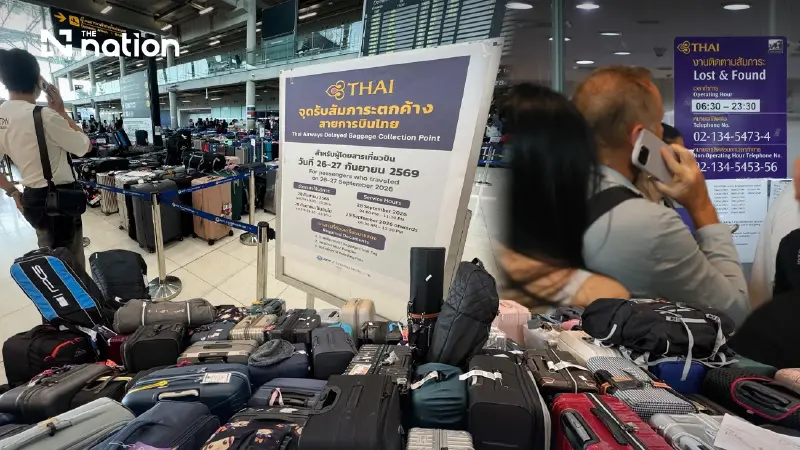


Airports of Thailand offers staff to help Thai Airways clear more than 5,000 delayed bags at Suvarnabhumi while the airline retains oversight.
- Thai Airways cancelled approximately 75 flights on September 30, leaving over 1,000 transit passengers stranded at Suvarnabhumi Airport.
- The flight cuts and wider disruptions were caused by severe workforce shortages resulting from floods that prevented airline staff from reaching the airport.
- In addition to stranded passengers, the staffing issues led to a backlog of more than 5,000 bags and halted the airline's cargo handling operations.
- Airport authorities provided food and water to affected passengers and deployed staff to help sort the luggage backlog.
Thai Airways International cancelled about 75 flights, stranding more than 1,000 transit passengers at Suvarnabhumi Airport, Airports of Thailand (AOT) reported on September 30, 2026. AOT has also offered staff to help clear a backlog of more than 5,000 bags at the airport, while Thai Airways retains responsibility for baggage sorting and overall supervision.
Suvarnabhumi Airport general manager Kittipong Kittikachorn outlined the disruption and assistance measures during Nation TV’s Inside Thailand programme.
Suvarnabhumi provides food and water to stranded passengers
Suvarnabhumi Airport and the Tourism Authority of Thailand were distributing food and drinking water to passengers in the transit area while alternative flights were being arranged, Kittipong said.
Kittipong described serious disruption in the transit area as passengers were unable to continue their journeys. Airport management had invited Thai Airways executives to inspect the situation and urged the airline to consider cancelling only flights with the fewest connecting passengers.
AOT turns three baggage carousels into sorting areas

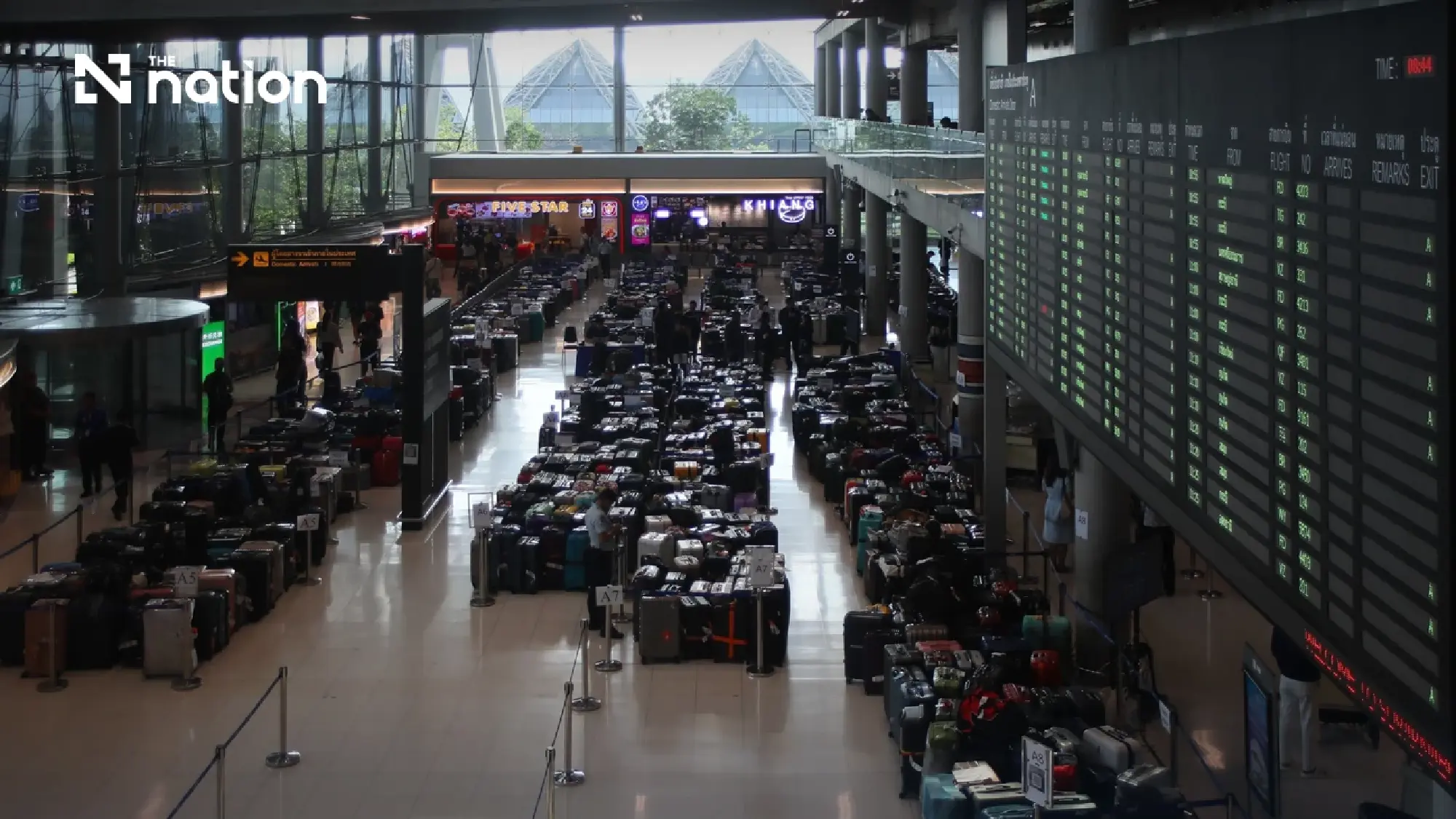
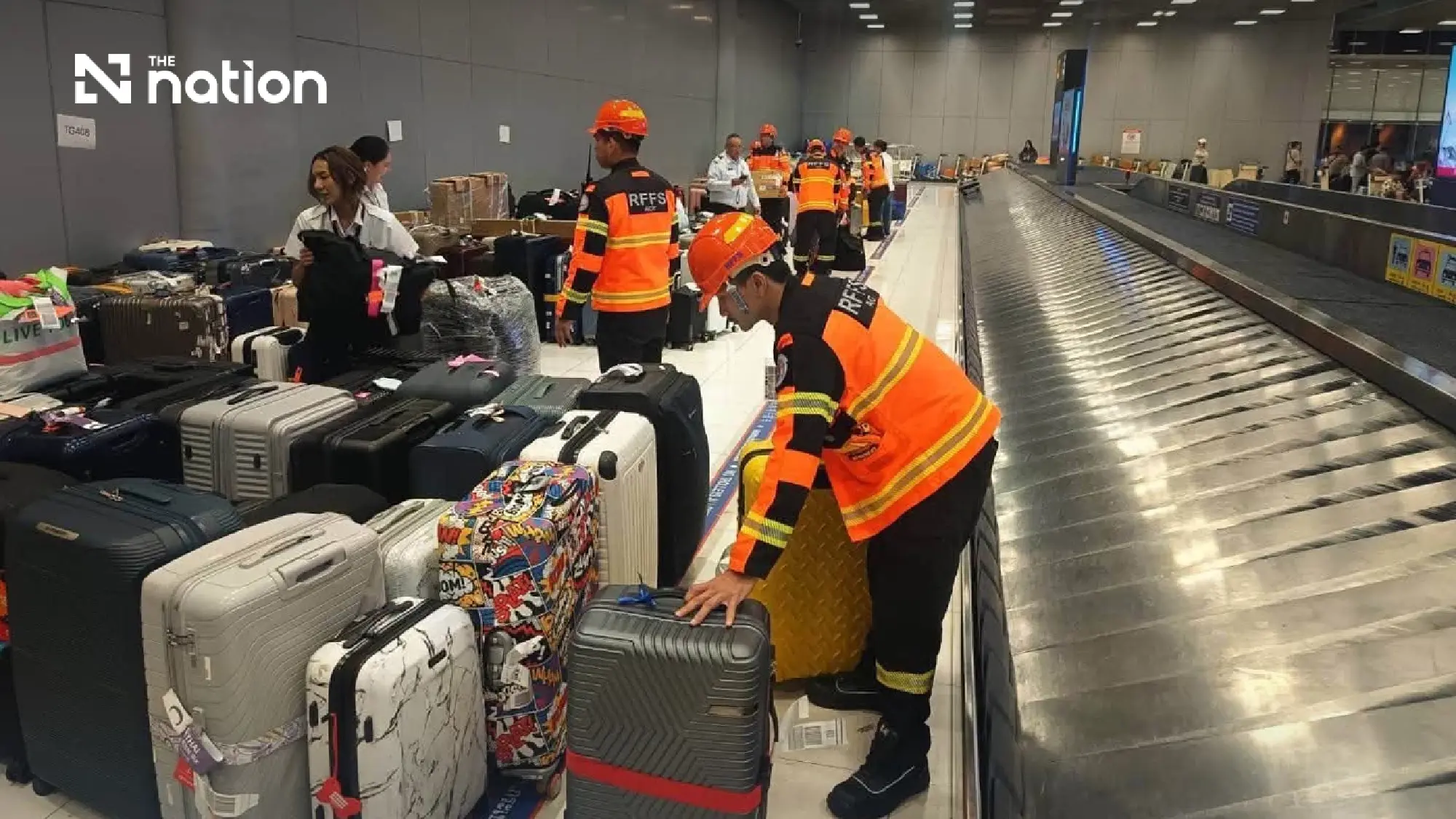
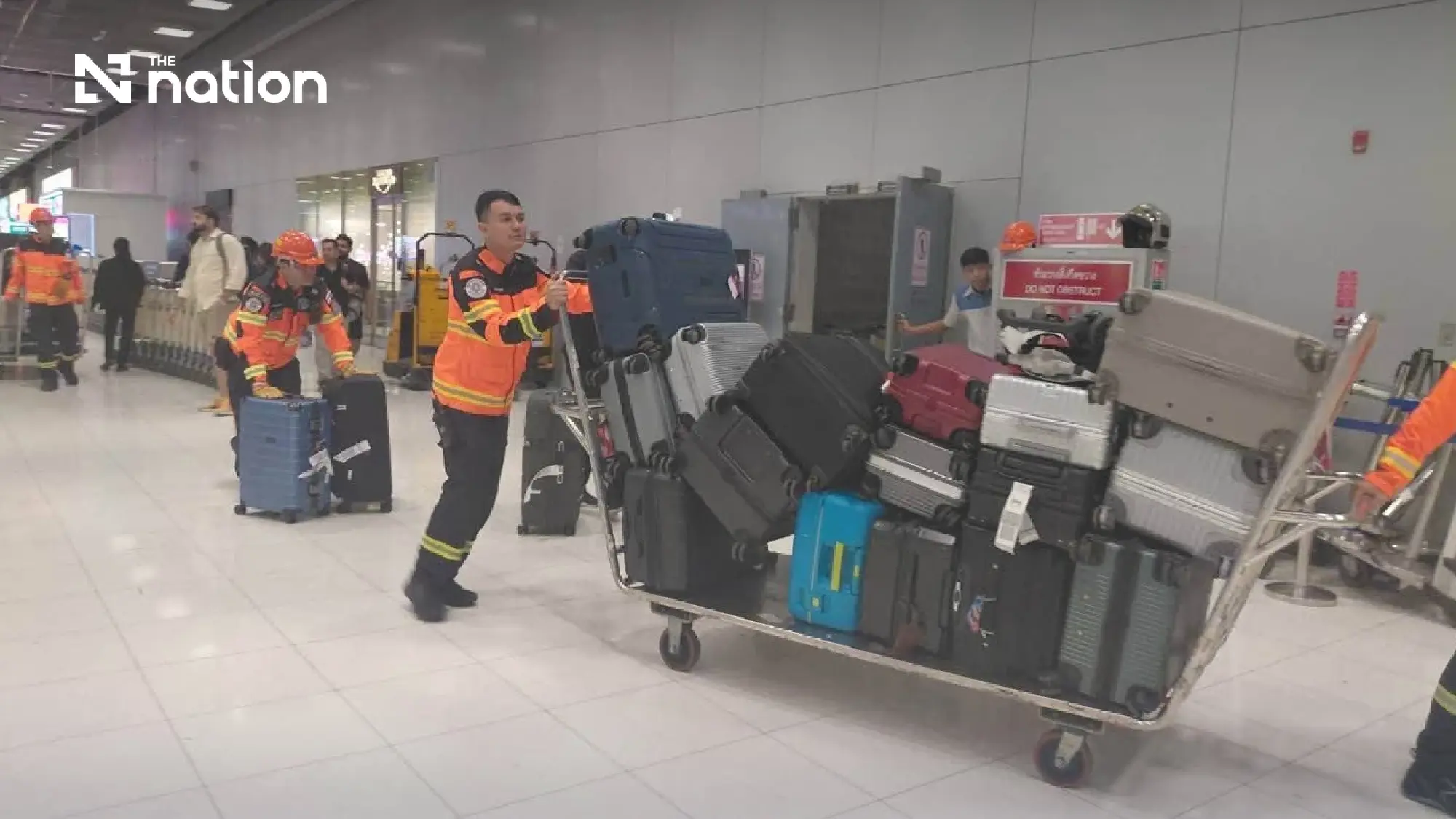
Suvarnabhumi Airport closed baggage carousels 5, 6 and 7 on September 30 and cordoned off the space to sort delayed bags by size and flight, Kittipong said. Airport security and fire service personnel were helping identify and sort the luggage using baggage tags.
Kittipong explained that photographs circulating on social media showed bags AOT had moved from the inner carousel area to an outer collection space. The move was intended to make collection easier and prevent passengers crowding into the inner area.
AOT had initially helped move delayed luggage and allocate space for it on September 26–27, transferring unclaimed bags to Thai Airways’ Operation Center Building (OPC), according to Kittipong. The backlog of more than 5,000 bags meant the airport had to manage available space carefully.

Thai Airways retains baggage duties for customer airlines
Thai Airways will continue handling baggage for airlines that use its ground-handling services under a renewed agreement with AOT, Kittipong said. AOT will supply additional workers, while Thai Airways remains responsible for sorting systems and supervising the operation.
Kittipong outlined the arrangement when asked about remarks attributed to Thai Airways’ chief executive that the airline would handle only its own passengers’ bags and leave those of its customer airlines to Suvarnabhumi Airport.
Suvarnabhumi could not fully take over those baggage duties because the airport did not have complete access to the customer airlines’ passenger information systems or details of connecting and transfer flights, Kittipong explained. Fresh talks with Thai Airways had therefore established that the airline would retain its existing responsibilities, supported by AOT personnel.

Floods continue to disrupt Thai Airways staffing
Kittipong identified workforce shortages as the continuing cause of the baggage disruption following flood-related staffing problems, although the overall situation had begun improving on September 27. AOT had mobilised airport employees after learning on September 26 that Thai Airways workers could not reach the airport.
Suvarnabhumi Airport, which operates around the clock, had maintained staffing as employees, including cleaners and security personnel, made their way through floodwaters, Kittipong said. Some had waded through waist- or chest-deep water, and the airport provided rest areas for employees unable to return home so they could continue working.
Kittipong said he did not know precisely why Thai Airways had been unable to resolve its workforce problems. Thai Airways executives had been at the airport and trying to direct operations since September 27, but the labour shortage persisted.

Labour shortages disrupt Thai Airways cargo and catering
Thai Airways had stopped accepting cargo after a backlog and equipment shortages left handling operations deadlocked for more than two days, Kittipong said. Flooding had also prevented cooks preparing hot meals from reaching work, disrupting airline catering.
Addressing concerns over serious disruption to import and export operations, Kittipong said the cargo problems had begun on September 26. Freight had accumulated on pallets and in containers because there were too few workers to move it into warehouses, while shortages of handling equipment and trolleys prevented equipment from circulating normally.
The Royal Thai Army had deployed GMC trucks to transport Thai Airways employees and bring in additional workers to help clear the cargo backlog, Kittipong confirmed.
Kittipong expected Thai Airways’ in-flight meal services to improve gradually once employee transport arrangements enabled catering staff to return to work.
