
Thais fear river toxins entering the food chain, poll finds
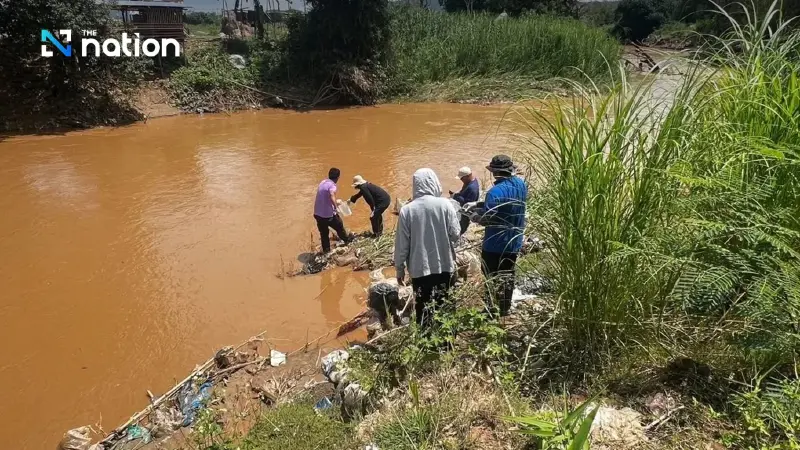


A Suan Dusit Poll finds 76.78% of respondents fear toxins entering Thailand’s food chain, while 72.42% call for urgent water and food testing.
- A nationwide poll in Thailand has revealed widespread public fear that toxins from polluted rivers are entering the food chain.
- Over three-quarters of respondents (76.78%) are concerned about toxic residues contaminating food supplies such as fish, vegetables and rice.
- The survey highlighted a lack of public confidence in the government's ability to resolve the issue, with 44% expressing little faith in its response.
- A large majority (72.42%) of those polled are demanding urgent and transparent testing of water and food quality.
Concerns over toxic contamination in northern Thailand’s major rivers and transboundary waterways are mounting, with a nationwide survey revealing widespread fears about food safety, drinking water and public health.
The Suan Dusit Poll, conducted by Suan Dusit University, surveyed 1,193 people nationwide through online and in-person interviews from November 17 to 20. It found that 46.94% of respondents were very concerned about toxic substances in rivers.

Food contamination tops public concerns
The survey highlighted fears that river pollution could threaten everyday food supplies, particularly fish, vegetables and rice.
Key findings include:
- 76.78% were concerned about toxic residues entering the food chain.
- 44.01% had little confidence in the government's ability to resolve the problem.
- 74.35% identified weak law enforcement and possible conflicts of interest as major obstacles.
- 72.42% wanted urgent water and food quality testing, with results disclosed transparently.
The findings suggest that public concerns extend beyond environmental damage to the potential risks posed by contaminated food and drinking water.

Government urged to restore public confidence
Dr Pornpan Buathong, chair of the Suan Dusit Poll, emphasised the need for greater transparency, stricter enforcement of environmental laws and decisive action to tackle pollution at its source.
She stressed that openly publishing test results and addressing the underlying causes of contamination would be essential to restoring public trust in the government's response.

Experts call for long-term river restoration
Dr Bhorntida Thepprasit, director of the Environmental Centre at the Faculty of Science and Technology, Suan Dusit University, urged authorities to combine immediate relief measures with a long-term environmental recovery strategy.
Priority measures should include health support for affected residents, assistance for farmers and fishing communities, and sustainable restoration of river ecosystems.
She also proposed using revenue from environmental fees to treat toxic residues in riverbed sediments, in line with the ‘polluter pays’ principle, which holds polluters financially responsible for environmental damage.
Stronger environmental governance would also be crucial to ensuring that government agencies move beyond reactive public messaging towards concrete, measurable policy action.

