
2nd Army Area chief urges Thais to visit archaeological sites along Surin border
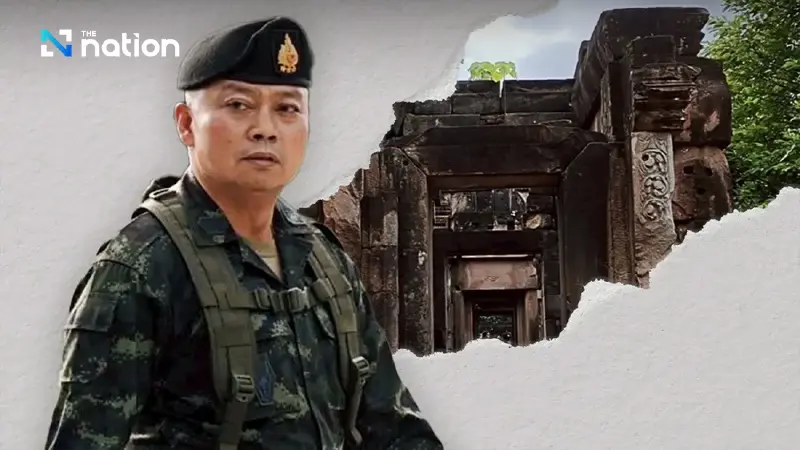


2nd Army Area chief urges Thais to visit three disputed Khmer archaeological sites to promote tourism and support local communities along the Surin border.
Lt Gen Boonsin Padklang, the commander of the Second Army Area, called on Thais to visit three significant archaeological sites located along Thailand’s border with Cambodia. The goal is to promote tourism and provide moral support to the local communities.
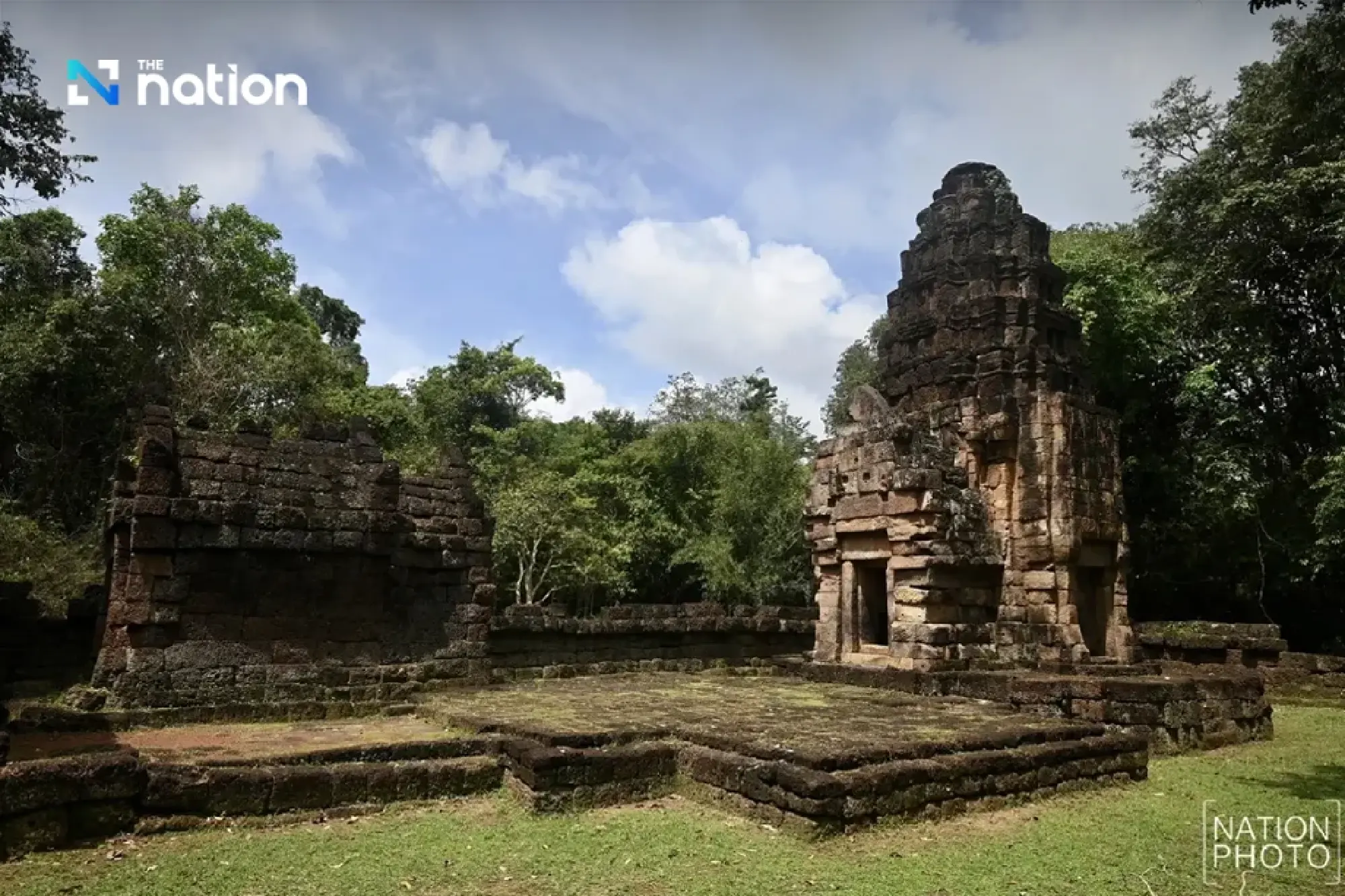
Prasat Ta Muen Thom, Prasat Ta Khwai, and Prasat Ta Muen Toch
In a statement on Thursday, Boonsin urged the public to visit the Khmer archaeological sites of Prasat Ta Muen Thom, Prasat Ta Khwai, and Prasat Ta Muen Toch, all situated within Thai territory. This call comes after Cambodia filed a lawsuit with the International Court of Justice, claiming ownership of these ancient temples.

Promoting Tourism and Supporting Local Communities
Boonsin expressed that visiting these sites would not only help boost tourism and the economy but also provide support to local communities, improving their morale and income. He reaffirmed that these three archaeological sites are located in Thailand.
Prasat Ta Muen Thom: A Hindu Shrine on the Thai-Cambodian Border
Prasat Ta Muen Thom, located in Ban Nong Khanna, Tambon Ta Mueang, lies along the Thai-Cambodian border. The site consists of three buildings, and it was originally built as a Hindu shrine dedicated to the deity Shiva. Evidence, including a Shiva linga carved from bedrock, confirms its religious purpose.

Architectural styles and inscriptions suggest that it was built between the 11th and 13th centuries, with religious rituals recorded from the 12th and 16th Buddhist centuries. Prasat Ta Muen Thom is considered older than its nearby counterparts, Ta Muen and Ta Muen Toch.

Prasat Ta Muen Toch: The Hospital Chapel of King Jayavarman VII
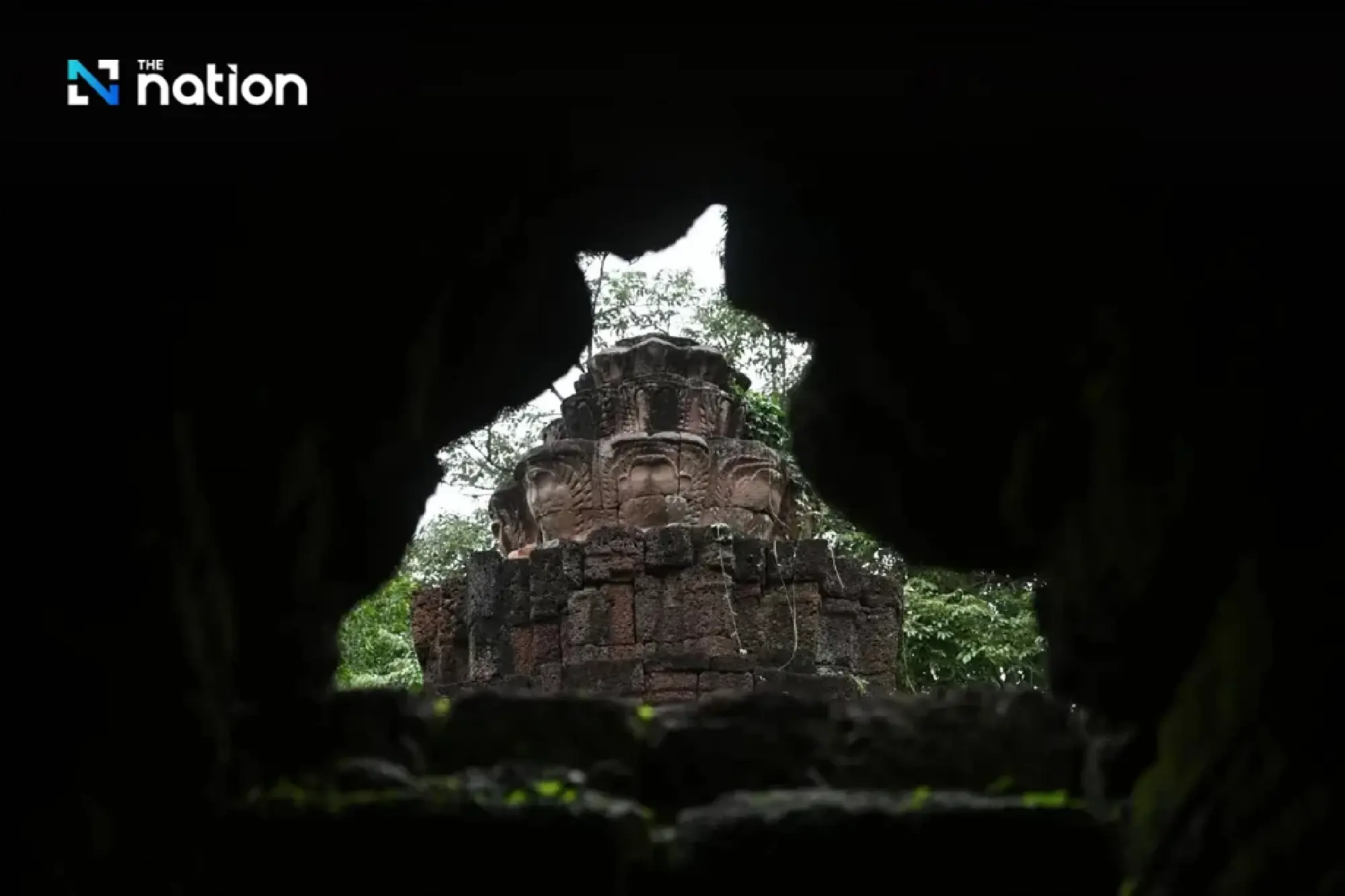
Prasat Ta Muen Toch, a smaller but significant temple, forms part of the Prasat Ta Muen group. Unlike the Hindu Ta Muen Thom, it is believed to have been an "arogayasala," or hospital chapel, built during the reign of King Jayavarman VII (late 12th to early 13th centuries).
King Jayavarman VII was a devout Mahayana Buddhist who constructed numerous hospitals and dharmasalas across his empire. Prasat Ta Muen Toch is one of the 102 hospital shrines he is recorded to have built.

Prasat Ta Khwai: A Shiva Shrine in the Dangrek Mountains
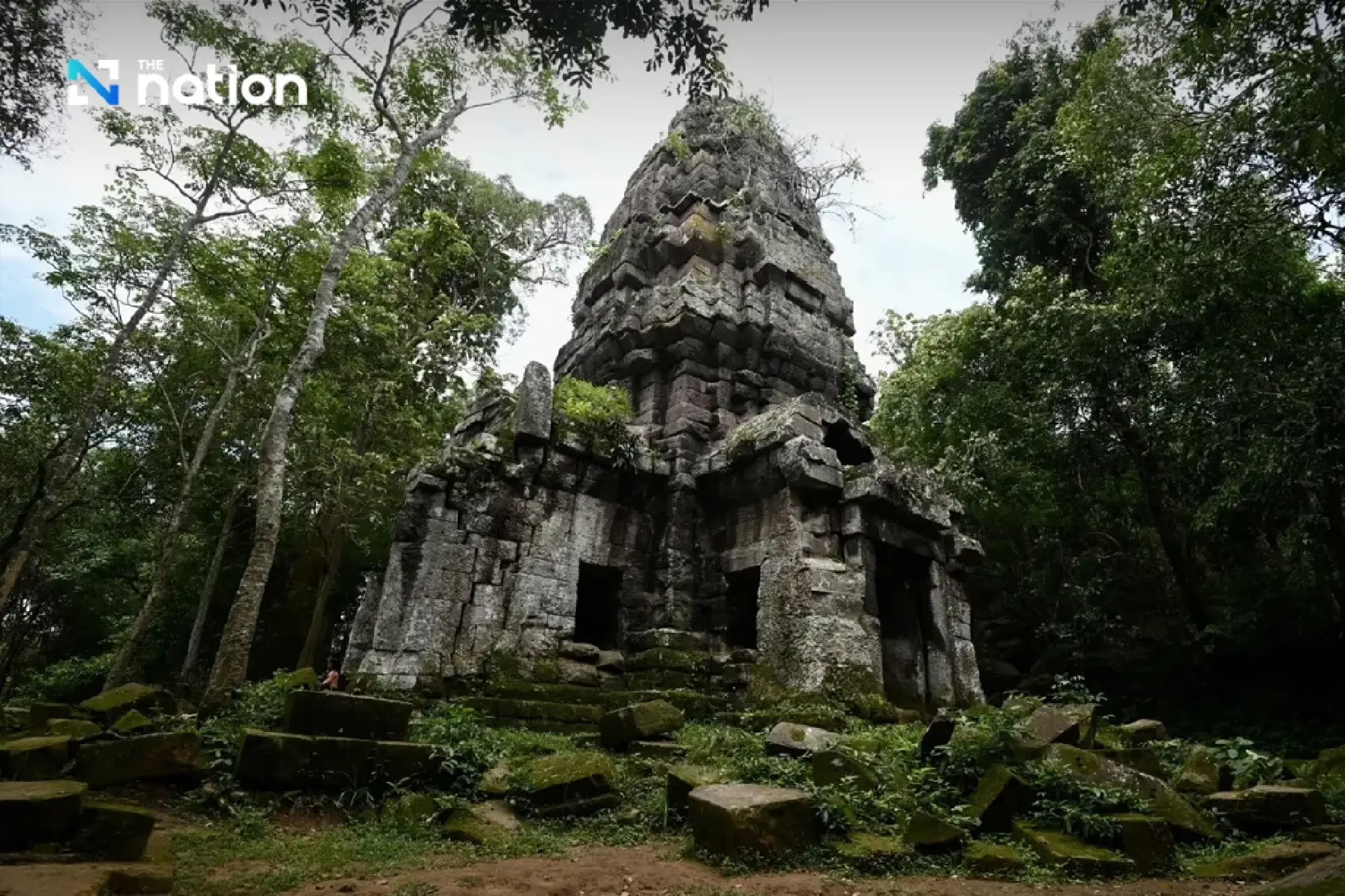
Prasat Ta Khwai, another ancient Khmer temple, was constructed as a Hindu shrine dedicated to the god Shiva. It houses a Shiva linga and is believed to have been built in the late 11th or early 12th century, possibly during the reign of King Jayavarman VII.
The temple is located on a ridge near the Dongrak Mountains, a historically important range that formed a natural boundary and housed many significant Khmer sites.
