
CAAT warns jet fuel spike may force fare hikes if war drags on
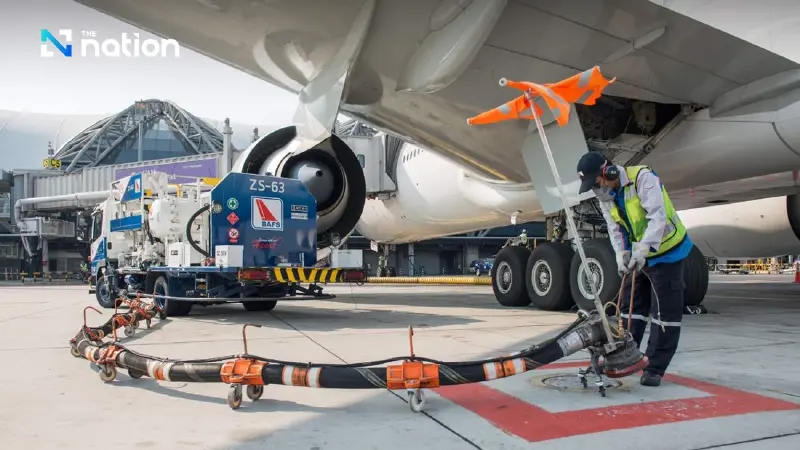


CAAT says soaring jet fuel prices could push airlines to raise fares if the Middle East conflict persists, with Europe-bound tickets already up 100%.
The Civil Aviation Authority of Thailand (CAAT) warned on March 9, 2026 that airlines could be forced to raise fares if the Middle East war drags on, as jet fuel prices have surged sharply since the conflict escalated. Air Chief Marshal Manat Chavanaprayoon, CAAT’s director-general, said jet fuel had jumped from around US$70-80 a barrel to nearly three times that level in the first one to two days of the crisis, leaving carriers under mounting cost pressure.
Jet fuel shock puts pressure on airlines
Manat said fuel remains one of the biggest cost items for airlines, and that carriers may be able to absorb the shock only for so long before passing some of it on to passengers. CAAT has therefore sought to prevent suppliers from using existing fuel stocks as a reason to impose excessive price increases, urging them instead to keep adjustments in line with actual market movements.
He added that if the conflict continues, airlines will need to revise business plans and manage fuel stocks more flexibly in order to survive rising costs while still protecting their passenger base.
Europe routes hit by sharp fare surge
The regulator said international ticket prices have already climbed steeply, especially on Europe-bound routes, as disruption at Middle East aviation hubs pushes more travellers towards direct flights from Asia. CAAT has said fares on some available international services have jumped by more than 100% as demand intensifies and seat supply tightens.
That pressure has been felt across major airlines serving Asia-Europe traffic, including Singapore Airlines, Cathay Pacific and Thai Airways, as passengers try to avoid the risk of being stranded at transit hubs in the Middle East.
CAAT urges flexibility as crisis grinds on
Manat said domestic fares in Thailand could also edge higher in line with fuel costs, though market competition from other forms of transport should help limit how far they can rise. He also said authorities were easing some rules to help airlines bring stranded passengers home more easily, treating the issue primarily as a humanitarian matter rather than a commercial one.
