
Bangladesh shuts universities early to save energy
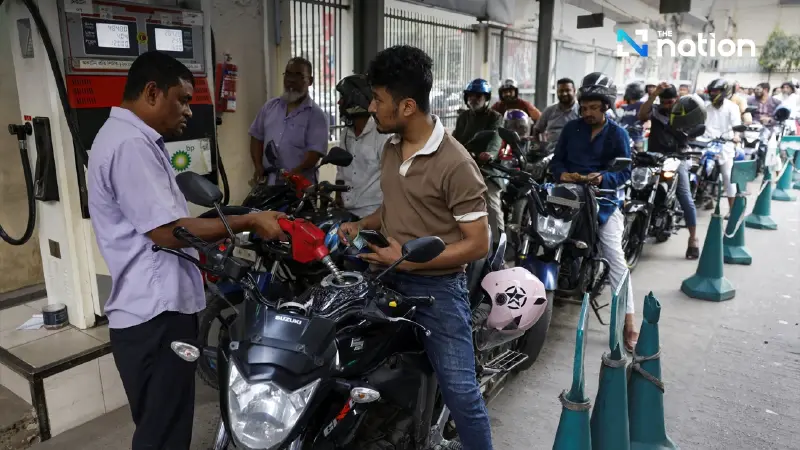


Bangladesh orders universities to close early to save electricity and fuel as Middle East conflict worsens energy shortages in the import-dependent nation
Bangladesh has ordered universities nationwide to close earlier than scheduled in a bid to reduce electricity consumption amid a worsening national energy crisis linked to the ongoing conflict in the Middle East.
Authorities said all universities will close starting Monday (March 9), effectively bringing forward the Eid al‑Fitr holiday marking the end of the holy month of Ramadan. The move forms part of emergency measures aimed at conserving electricity and fuel.
Officials said universities consume large amounts of power through student dormitories, classrooms, laboratories and air-conditioning systems. Closing campuses earlier could therefore help ease pressure on the country’s already strained energy system.
Government and private schools in Bangladesh typically suspend classes during the holy month of Ramadan, meaning that nearly all educational institutions across the country will remain closed during this period.
The government has also expanded austerity measures by requesting that schools offering international curricula and private tutoring centres temporarily suspend operations in order to further limit electricity use.

The decision comes as Bangladesh faces growing uncertainty over fuel and gas supplies following disruptions in global energy markets caused by the ongoing conflict in the Middle East.
The country, which imports about 95% of its energy needs, has also imposed daily fuel sales limits since Friday (March 6) after panic buying triggered shortages.
A severe gas shortage has forced Bangladesh to shut down four of its five state-run fertiliser factories. Available gas supplies are being redirected to power plants in an effort to prevent widespread electricity outages.
At the same time, Bangladesh has been purchasing liquefied natural gas (LNG) from the spot market at sharply higher prices while seeking additional supplies to fill the growing gap in energy availability.
A senior official at the energy ministry said the government was taking all possible steps to reduce consumption and strengthen national energy security.
“We are doing everything we can to reduce consumption and ensure energy, fuel and import security,” the official said.

