
Chiang Mai haze worsens as hotspot count jumps to 136



Chiang Mai’s wildfire and haze crisis intensified early on March 28, with 136 hotspots detected, no rain forecast and temperatures expected to reach 39C.
Chiang Mai haze crisis deepens as hotspot count surges
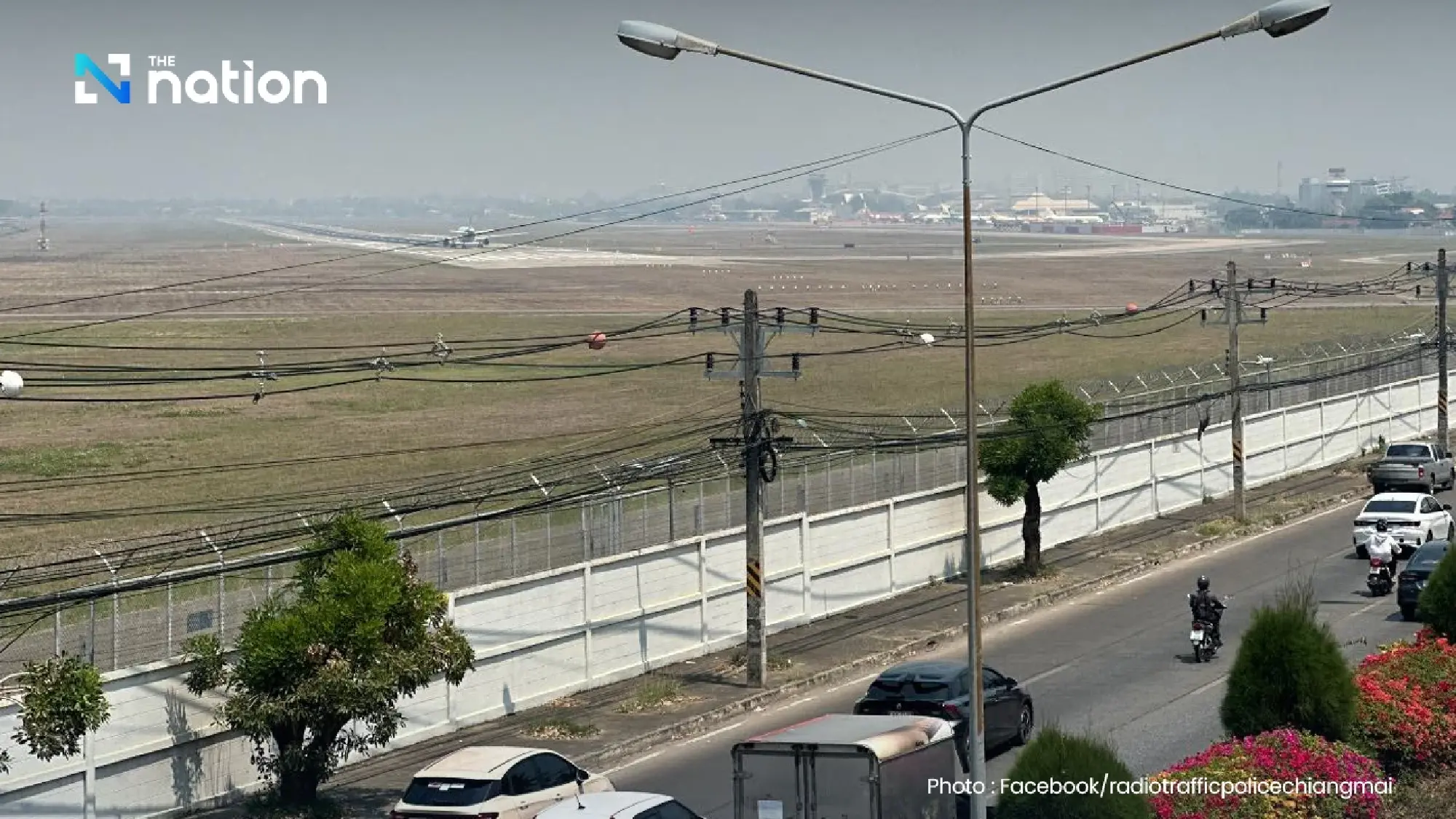
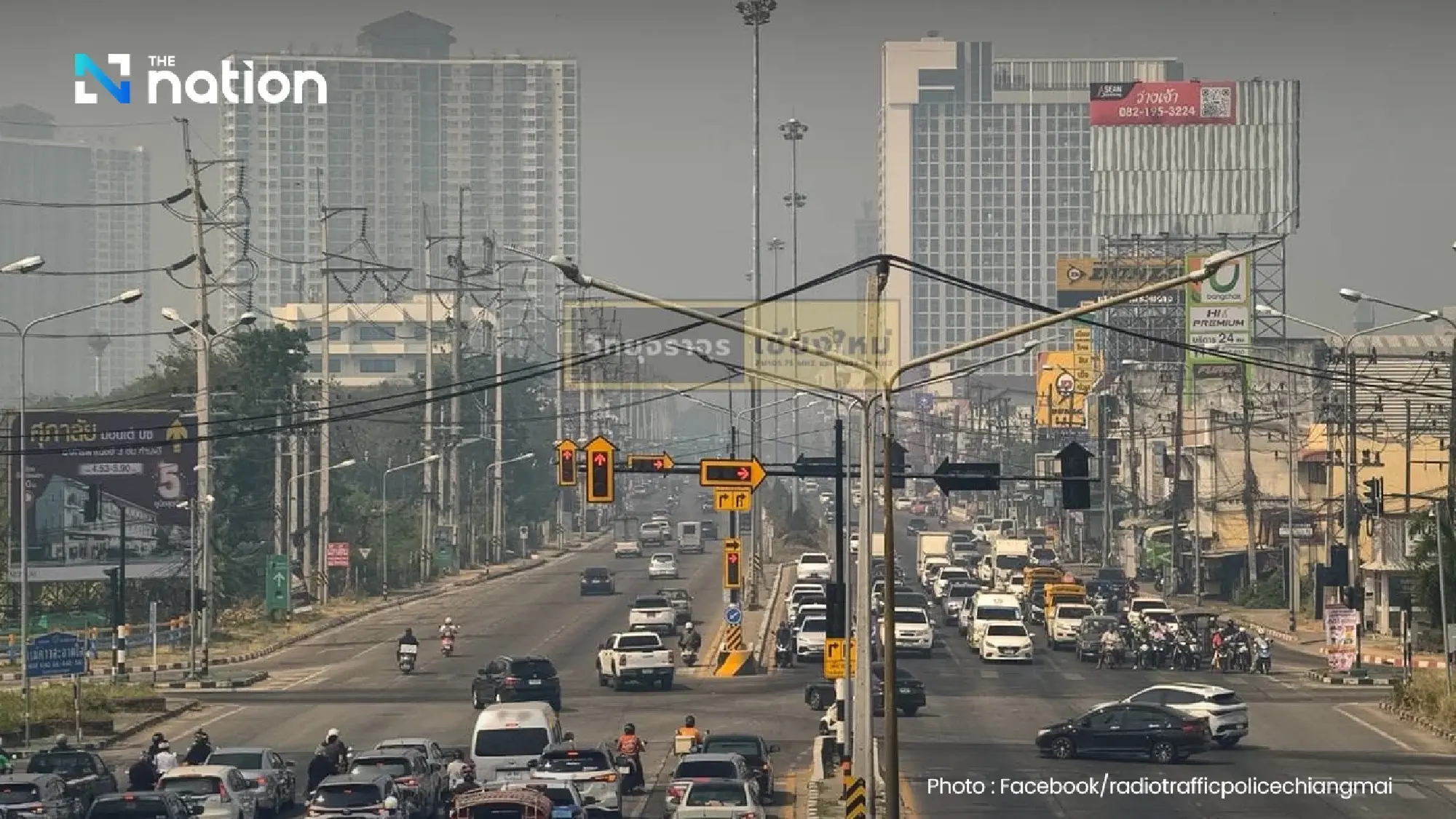
Chiang Mai’s haze and wildfire situation worsened further in the early hours of Friday, with satellite data showing 136 hotspots across the province, while forecasters warned that temperatures could climb to 39C and no rain was expected to help clear the air.
According to the provincial command centre, data from the Suomi-NPP satellite, reported by GISTDA at 2.38am on March 28, showed hotspot numbers continuing to rise in Chiang Mai.
The latest figures highlight the growing severity of wildfire activity across both forest and lowland areas of the province.

Mae Taeng, Samoeng and Chiang Dao among hardest-hit areas
District-level data showed that Mae Taeng, Samoeng and Chiang Dao were the worst-hit areas, with 18 hotspots each.
They were followed by Phrao with 15 hotspots, while Doi Saket and Hot recorded 11 each. The figures point to a broad spread of fire activity across Chiang Mai.

Hotspot summary by district
- Mae Taeng – 18
- Samoeng – 18
- Chiang Dao – 18
- Phrao – 15
- Doi Saket – 11
- Hot – 11
- Mae Wang – 10
- Doi Lo – 8
- Omkoi – 5
- Chai Prakan – 4
- Doi Tao – 4
- Mae Chaem – 3
- San Sai – 3
- San Kamphaeng – 3
- Wiang Haeng – 2
- Mae On – 2
- Chom Thong – 1

More than 2,000 hotspots recorded so far this year
The scale of the crisis this year is also reflected in cumulative data. According to NASA FIRMS, Chiang Mai recorded more than 2,090 hotspots between January 1 and March 27, 2026.
The prolonged fire activity has directly worsened PM2.5 pollution, with dust levels rising well above safety standards and thick haze blanketing the city and surrounding districts.
Extreme heat and no rain likely to worsen dust problem
The Northern Meteorological Centre of the Meteorological Department warned that hot weather would continue across the North through Saturday morning, with some areas likely to experience extreme heat.
In Chiang Mai, temperatures are forecast to range from 21C to 39C, with hazy conditions expected throughout the day due to a mix of heat and airborne dust.
Forecasters said no rain was expected in any district of Chiang Mai, removing a key factor that might otherwise have helped ease the dust pollution.
Health warning issued over dust and heat risks
Authorities have urged residents to take extra care as the province faces both extreme heat and hazardous air pollution.
People have been advised to avoid prolonged outdoor activity. Those who need to go outside should wear N95 masks at all times and remain alert to possible health risks linked to poor air quality and heat exposure, including respiratory problems and heatstroke.
