
Thailand presses Iran over crew as Middle East crisis widens



Bangkok says it is seeking urgent Iranian help for three Thai crew on the Mayurina Naree and safe passage for Thai vessels through Hormuz, as officials warn the regional conflict is deepening.
Thailand is pressing Iran for urgent help for three Thai crew members aboard the cargo vessel Mayurina Naree and for continued safe passage for Thai commercial ships through the Strait of Hormuz, as officials warn the conflict in the Middle East remains severe and could widen further.
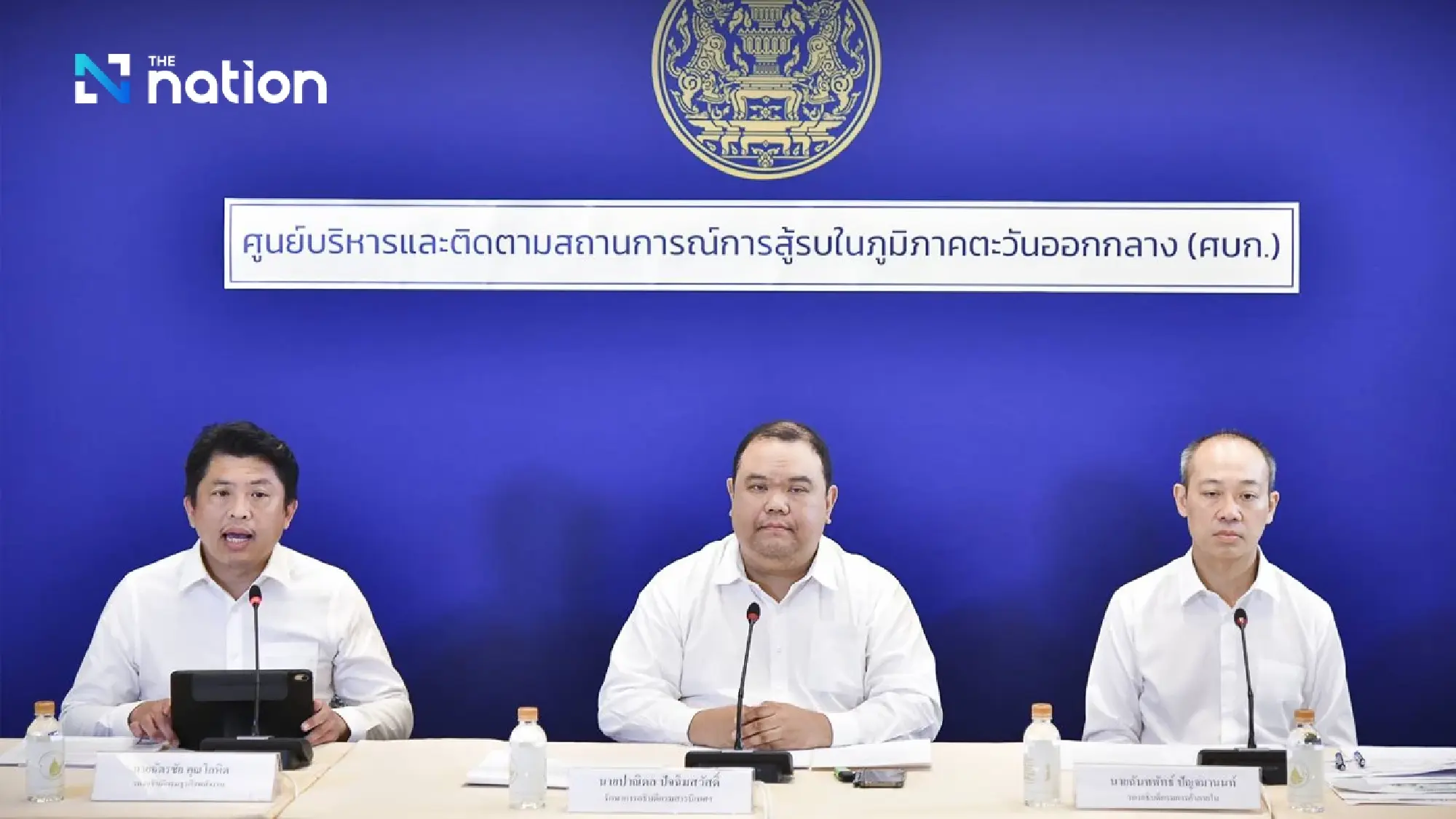
Speaking at Government House on March 29, Panidone Pachimsawat, acting director-general of the Department of Information and deputy foreign ministry spokesperson, said Foreign Minister Sihasak Phuangketkeow had sent further official communication to his Iranian counterpart seeking urgent assistance for the crew.
MFA pushes for ships and crew
Panidone said some Thai commercial vessels had already managed to transit successfully, but others were still stranded and required continued coordination with all relevant parties. Thailand’s Joint Management and Monitoring Centre for the Situation in the Middle East also approved a sub-working group on March 27 to prioritise goods and vessels seeking passage through Hormuz, underlining Bangkok’s concern over a route that Iran has said remains open only to “non-hostile” ships that coordinate with its authorities.
Officials warn conflict is spreading
In the same briefing, Panidone said the regional picture remained severe and increasingly broad, with retaliatory attacks continuing between the main parties, strikes hitting infrastructure in Arab states, and pressure growing on maritime routes. He said the fallout now included Houthi-linked attacks, reports of a major Iranian steel plant halting production after strikes, and renewed Iranian restrictions tied to the Strait of Hormuz. Reuters and AP also reported this weekend that the Houthis had entered the war, heightening fears over shipping and energy routes.
Diplomacy shows movement, but no certainty
At the same time, Pakistan, Saudi Arabia, Turkey and Egypt were due to meet in Islamabad on March 29-30 to try to lower tensions. Panidone said the United States had also signalled possible contact with Iran this week, while US Secretary of State Marco Rubio said Washington believed it could meet its objectives without ground troops and wind down operations within weeks. Even so, Thai officials stressed that the overall situation remained fragile and that any negotiating progress could still be derailed by events on the ground.

Thais urged to leave risk zones
The foreign ministry again urged Thais in high-risk areas to consider leaving as soon as possible, follow official advisories closely and register contact details with embassies or consulates for faster help. Sihasak also thanked Qatar in a March 28 phone call for helping care for Thai nationals and facilitate their return, while another eight Thais who left Iran via Türkiye arrived safely in Thailand on March 28. Officials also repeated a scam warning from the Royal Thai Embassy in Tel Aviv, said Israeli airspace would remain closed until April 16, and put the total number of Thais assisted out of the Middle East to Thailand or third countries at 1,514.
