
Thailand Targets Regional Clinical Research Hub Status to Boost Economy
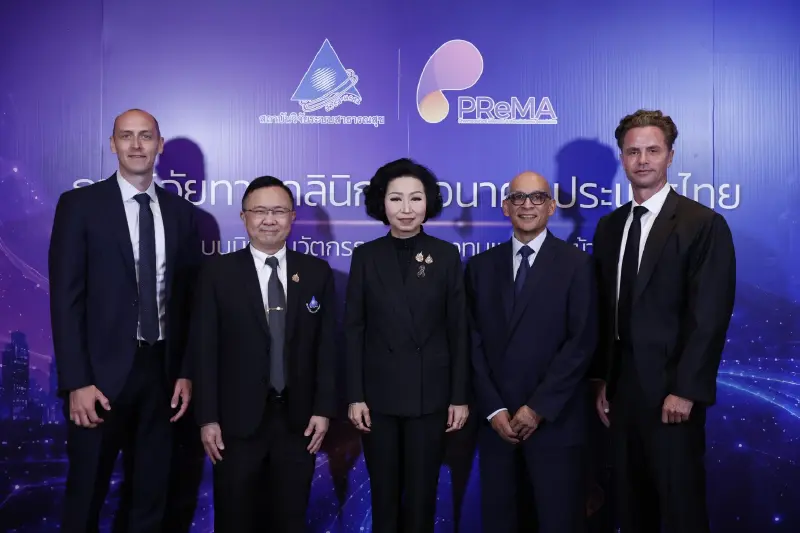


HSRI and PReMA launch a joint national roadmap to streamline clinical research, drive a projected $1.61B market, and speed up Thai patient access to therapies.
- Thailand is launching a national strategy, through a public-private partnership, to position itself as a regional hub for clinical research and medical innovation.
- The initiative aims to boost the economy by growing the clinical research sector, which was valued at USD 978 million in 2023, supports over 15,000 jobs, and is projected to reach USD 1.61 billion by 2030.
- The strategy focuses on overcoming key challenges like slow regulatory approval times and a lack of national coordination to attract more investment and provide patients with faster access to new treatments.
Thailand Strategic Policy Forum Sets Roadmap to Position Nation as Regional Clinical Research Powerhouse
The Health Systems Research Institute (HSRI) and the Pharmaceutical Research and Manufacturers Association (PReMA) have convened a landmark policy forum titled "From Dialogue to Roadmap:
Transforming Thailand's Clinical Research Ecosystem to Unlock Investment and Patient Access.
" The high-level summit brought together key executives, regulatory authorities, academic leaders, and policy champions to align stakeholders on creating a unified national strategy for medical innovation and investment.

Speaking at the forum's opening, Dr. Sriyada Palimaphan, Advisor to the Minister of Higher Education, Science, Research and Innovation (MHESI), emphasized that clinical research has evolved into a strategic priority integral to Thailand's economic future and national competitiveness.
"Clinical research is directly connected to the future of Thailand's healthcare system, economy, and national competitiveness," stated Dr. Sriyada.
"Together, we can transform Thailand's strengths in health into a new economic engine that creates value for our people while strengthening the country's competitiveness."
Solid Economic and Healthcare Foundations
Thailand enters this strategic initiative from a position of commercial strength. The country recorded 527 clinical trials in 2024, with its sector market value estimated at USD 978 million in 2023 and projected to reach approximately USD 1.61 billion by 2030.

Beyond direct revenue, clinical research yields substantial economic and social returns:
High-Skill Employment: The sector supports 15,509 full-time equivalent (FTE) jobs (8,905 direct and 6,604 indirect FTEs), fostering a knowledge-based labor market.
Healthcare Cost Offsetting: Local trial execution averts an estimated 8,326 Disability-Adjusted Life Years (DALYs) annually, representing THB 10.5 billion in accrued value to patients and the national health system.
Robust Infrastructure: The nation boasts a population base of 71.6 million covered by 99.5% Universal Health Coverage (UHC), 62 JCI-accredited hospitals, and 55 FERCAP-accredited ethics committees as of 2025 (up from 22 in 2017).
Dr. Supakit Sirilak, Executive Director of HSRI, noted that the key challenge is converting this base into tangible economic capabilities through evidence-backed national governance that streamlines trial execution and builds long-term system capacity.
Bridging Speed and Global Industry Expertise
While infrastructure remains strong, industry leaders pinpointed efficiency as the next frontier for international competitiveness.
"Thailand has the foundational infrastructure and clinical expertise, but speed and national coordination remain our key competitiveness gaps," said Harald Sprenger, CEO of PReMA.
"By bridging global industry capabilities with national health policy, PReMA aims to shorten regulatory approval timelines, attract greater research investment, and bring groundbreaking therapies to Thai patients much faster."
Dr. Alan Paul, Regional Medical Director of GSK and PReMA representative, added that participating in global clinical trials provides local patients early access to cutting-edge therapies under strict clinical supervision
while sponsor funding enhances hospital capabilities and reduces long-term healthcare burdens through earlier disease intervention.
Public-Private Stakeholder Execution
The forum marks the formal starting point for an end-to-end innovation roadmap, assigning distinct ecosystem roles to maintain momentum:
Government (MHESI): Defines clinical research as a national strategic investment priority.
HSRI: Translates fragmented research assets into an evidence-led national roadmap.
PReMA: Connects multinational industry expertise with national policy to shorten access timelines.
Thai FDA & Ethics Committees: Maintains a high-quality, predictable, and ethically transparent regulatory framework.
