
Anutin orders urgent drug crackdown meeting after Australia-linked smuggling cases
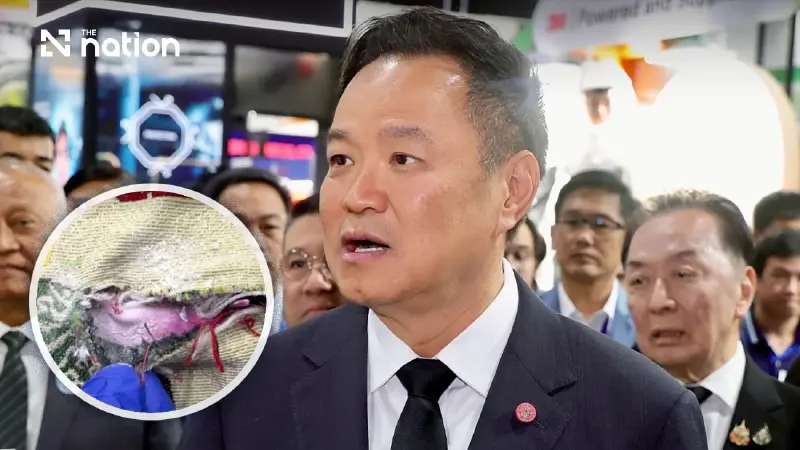


Prime Minister Anutin Charnvirakul has ordered narcotics agencies and Airports of Thailand to hold urgent talks after two Australia-linked drug cases raised concerns over Thailand’s image, aviation-hub ambitions and OECD accession target.
Prime Minister and Interior Minister Anutin Charnvirakul has ordered an urgent meeting of narcotics suppression agencies and Airports of Thailand after two drug-smuggling cases involving travel from Thailand to Australia raised concerns over the country’s international image.
The order was issued from France, where Anutin is currently on official duty. The meeting is scheduled for the afternoon of Friday, July 3, 2026, and is expected to bring together agencies involved in drug suppression, airport security and aviation oversight.
The Prime Minister was reportedly deeply dissatisfied after the two incidents, which authorities fear could damage Thailand’s image at a time when the government is seeking to position the country as a regional aviation hub and push ahead with its bid to join the Organisation for Economic Co-operation and Development by 2028.

Two Australia-linked cases trigger concern
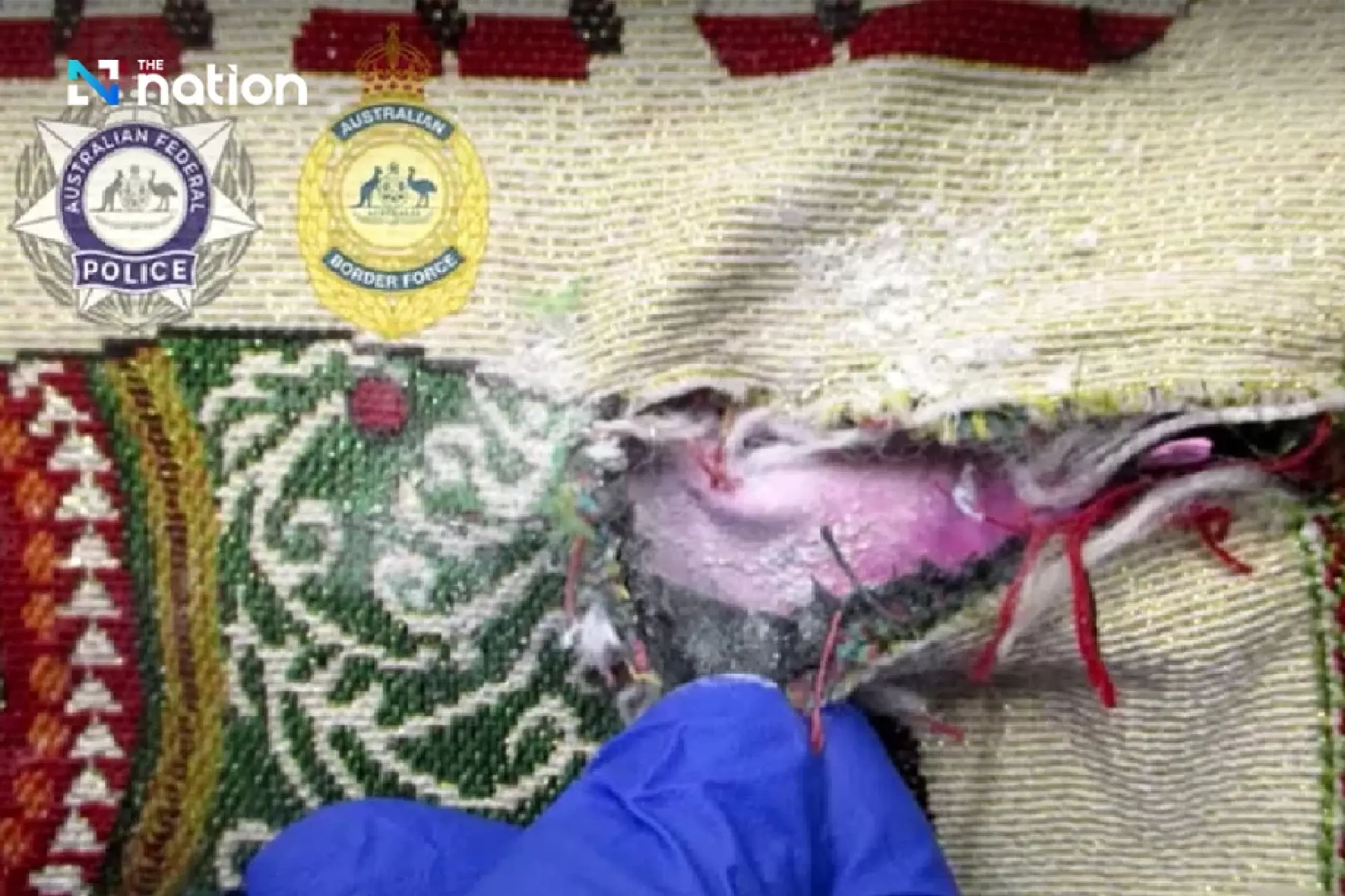
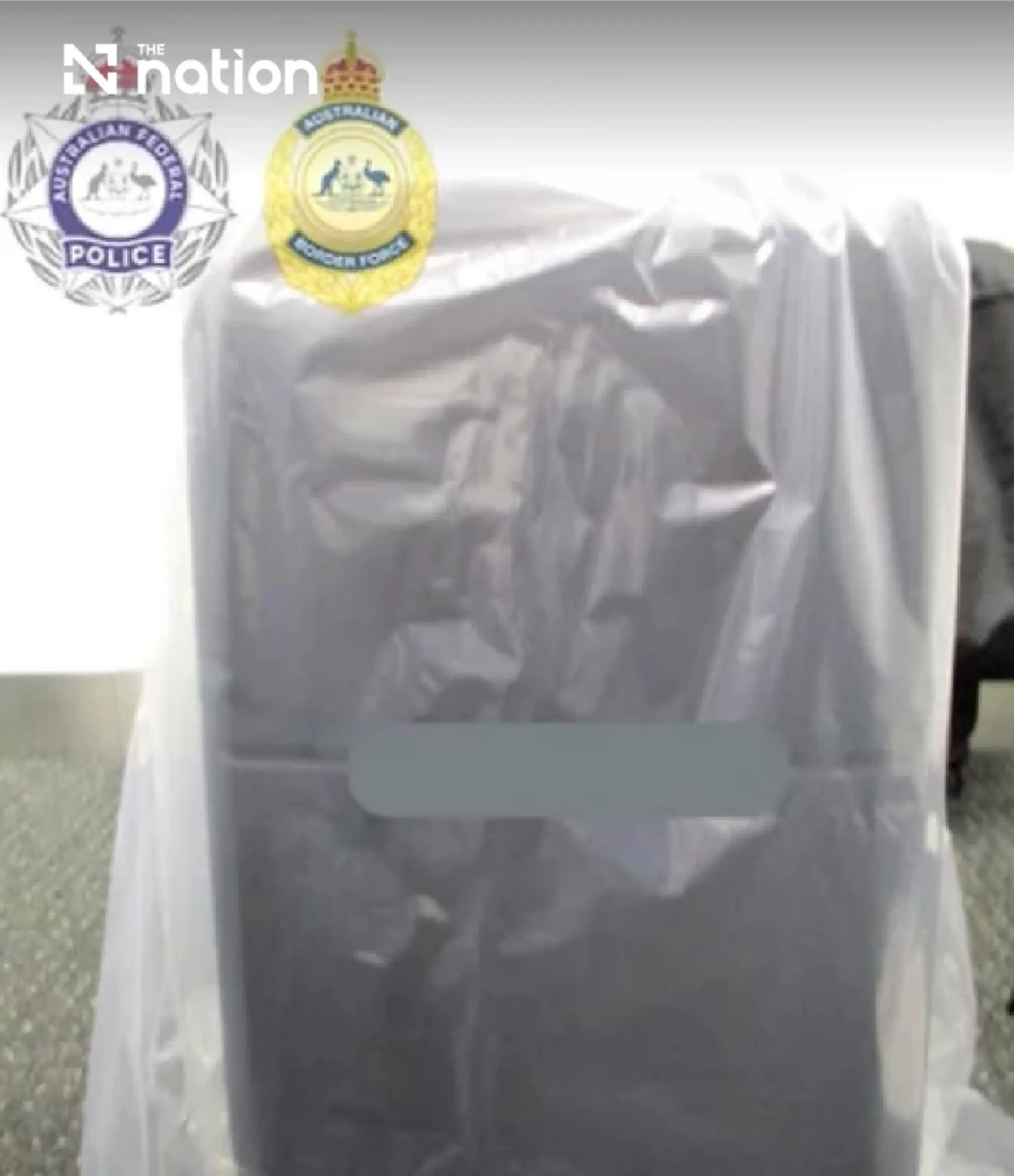
The move follows the arrest of a Thai Airways employee in Australia after Australian authorities allegedly found more than 1 kilogramme of heroin concealed in tote bags. The 26-year-old woman was working as a flight attendant when she arrived at Melbourne Airport on June 25.
Australian Federal Police said the woman was charged with importing and possessing a marketable quantity of a border-controlled drug. Each charge carries a maximum penalty of 25 years in prison. Thai Airways said it would fully cooperate with relevant authorities.
A separate case has also drawn attention after Australian police charged a 31-year-old French woman who had arrived at Perth International Airport from Thailand with allegedly importing border-controlled drugs.

Agencies called in as airport scrutiny grows
The July 3 meeting is expected to focus on tightening coordination among narcotics suppression agencies, airport authorities and related security units.
The inclusion of Airports of Thailand, which operates major airports including Suvarnabhumi, Don Mueang and Phuket, reflects growing concern over whether criminal networks are attempting to exploit international air routes and trusted travel channels.
Officials are expected to review screening procedures, intelligence-sharing and coordination between airport operators, customs, police and narcotics investigators.
Aviation-hub and OECD goals at stake
The issue has taken on political significance because the government has been promoting Thailand as a regional aviation hub while also seeking to raise governance, security and regulatory standards as part of its OECD accession push.
Thailand’s policy statement says the government aims to accelerate OECD membership by 2028 to strengthen national competitiveness, upgrade industrial and service standards and build international confidence.
The latest cases have therefore become more than routine criminal investigations. They are now being treated as a test of Thailand’s ability to prevent drug-trafficking networks from using the country’s airports and transport systems.
