
House panel seeks 15-year nationwide review of suspected birth-registration fraud
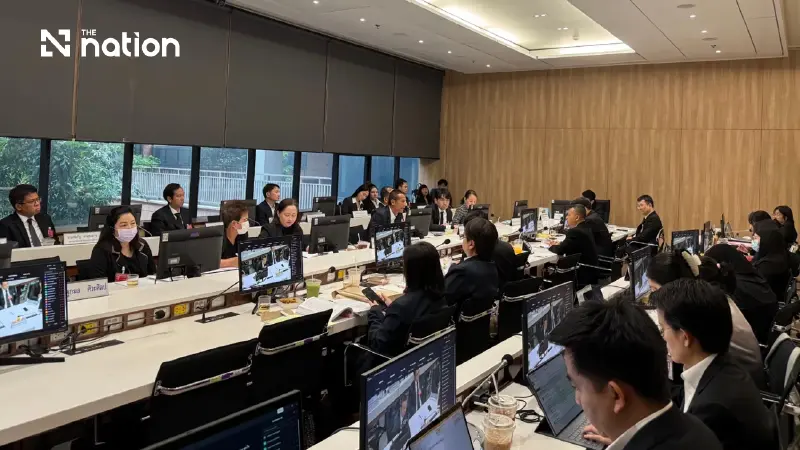


A House panel has called for 15 years of birth records to be checked nationwide after Bangkok identified 32 alleged sham-father cases and flagged 601 more.
The House Committee on Public Health has asked the Department of Provincial Administration to examine birth-registration records across Thailand going back 15 years after a Bangkok database review identified 32 cases involving alleged sham fathers.
Another 45 cases were rated high-risk and 556 were classified as suspicious, committee chairman Sakoltee Phattiyakul told reporters at Parliament on Thursday, July 23.
Sakoltee, a deputy leader of the Democrat Party, said records from outside the capital could reveal a similar number of cases, although authorities have yet to produce a nationwide estimate.
The investigation centres on an alleged network that arranged false parental records to secure Thai nationality rights for children connected with foreign nationals or business groups. The cases have become known as the “sham father–sham mother” scheme.
The committee called in representatives from the Royal Thai Police, the Department of Provincial Administration, the Interior Ministry, the Bangkok Metropolitan Administration, the Public Health Ministry and the Foreign Ministry to review the investigation and combine information held by separate agencies.
Sakoltee said the Foreign Ministry had not previously received a complete overview of the cases. The committee will serve as a central point for sharing information as the inquiry expands.
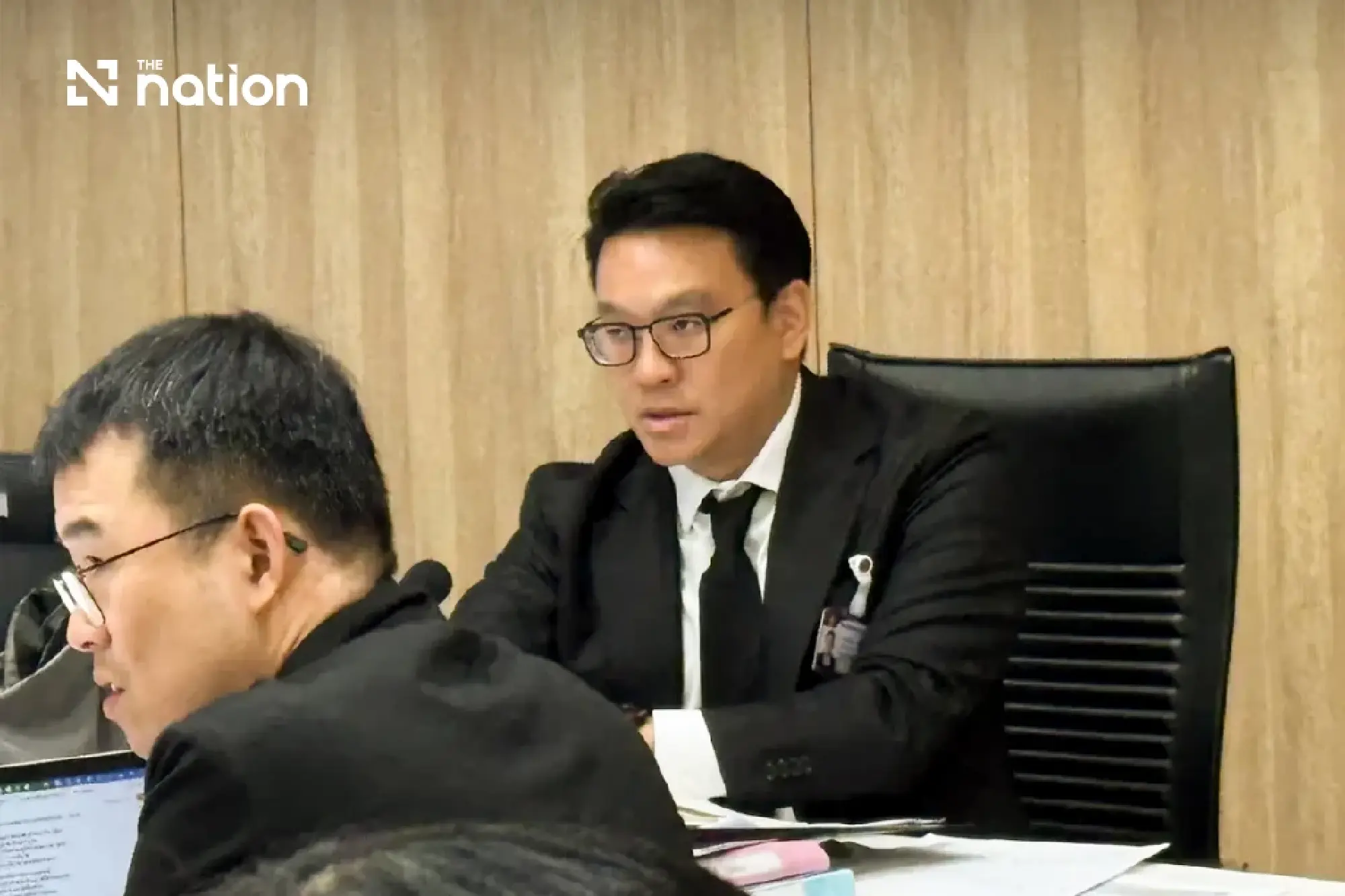

Two rounds of arrest warrants have already followed.
On April 29, authorities obtained warrants for 35 people, including 14 Thai men registered as fathers, 14 Chinese women registered as mothers and seven other alleged participants.
The Department of Special Investigation secured another 40 warrants on July 15, bringing the total to 75.
“The investigation must be expanded to root out the organisers and transnational networks,” Sakoltee said, adding that arrests, fines and prison sentences for individual offenders would not be enough.
Eight private hospitals under scrutiny
A Public Health Ministry investigation has identified at least eight private hospitals allegedly connected to the operation, Sakoltee said.
He did not disclose their names. The committee will request a complete list and summon hospital representatives to explain how birth-certification documents were issued in the cases under investigation.
Investigators have not linked any public hospital to the scheme. Sakoltee said, however, that state-run facilities should not be excluded from further checks.
The committee has identified two points in the registration process that may have allowed the alleged operation to function.
The first involves documents issued by hospitals to certify births. The second concerns administrative officials and district offices responsible for entering births in the civil-registration system.
The Interior Ministry has amended its regulations to let registrars order DNA tests when they doubt a parent’s biological relationship with a child.
Testing is not compulsory, however, and applicants must pay between 3,500 and 10,000 baht. The committee will examine whether public-health laws can be amended to close the gaps across the registration process.
Checks on passports, travel and property
Authorities will examine whether children who allegedly acquired Thai nationality rights through false registrations later received passports or travelled abroad.
For those who stayed in Thailand, investigators will check whether their nationality rights were used to hold land or other property, or to exercise legal rights on behalf of foreign nationals.
The inquiry will also seek to establish whether the operation could fall under human-trafficking laws or involved the unlawful granting of nationality benefits.
Civil-society representatives have meanwhile told the committee that packages combining childbirth services with birth registration were still being advertised through QR codes.
The committee has handed the advertisements and other evidence to police for further investigation.
