
Thailand, India push Chiang Mai flights, port and road links
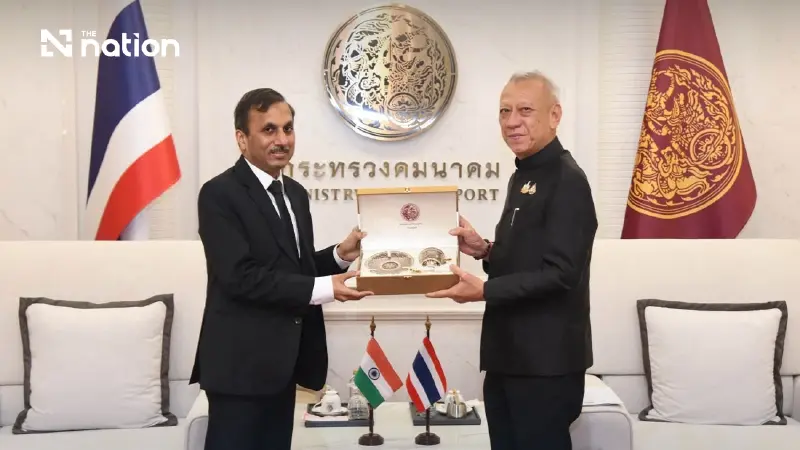


Thailand and India discussed new flights, stronger port links and a three-country road agreement as Indian arrivals rose nearly 8%
- Thailand and India are discussing the establishment of direct flights to Chiang Mai to promote tourism beyond Bangkok.
- The two countries aim to enhance maritime cargo transport by making fuller use of agreements between Thailand's Ranong Port and three major Indian ports.
- Officials reviewed progress on the India–Myanmar–Thailand Motor Vehicle Agreement, which is intended to create a crucial road connection for trade between South and Southeast Asia.
Thailand is seeking direct flights between Chiang Mai and India as part of a wider push to expand air, sea and road transport links between the two countries.
Deputy Prime Minister and Transport Minister Phiphat Ratchakitprakarn discussed the proposal with Puneet Agrawal, India’s ambassador to Thailand, during a meeting at the Transport Ministry.

Their talks covered maritime transport, air services and progress on the India–Myanmar–Thailand Motor Vehicle Agreement, or IMTMVA.
Phiphat said Thailand was ready to support more flights between the two countries and encourage airlines to add routes linking their major cities.
A direct service between Chiang Mai and India was among the routes under consideration. Phiphat said it could make travel more convenient and spread tourism income to destinations outside Bangkok.
Indian arrivals rise nearly 8%
Thailand welcomed 1,056,729 Indian tourists from January to May 2026, an increase of 7.98% from the same period last year.
Phiphat said the figures showed the continued growth potential of the Indian travel market.
He instructed agencies under the Transport Ministry to give equal priority to the convenience and safety of tourists of every nationality. The ministry would also coordinate with relevant agencies to improve services for foreign passengers.
“Thailand is ready to take care of every tourist, regardless of where they come from,” he said. “Safety and convenient travel are our highest priorities. We want visitors to be impressed from the moment they arrive in Thailand.”
Agrawal thanked the Thai government for its visa-exemption policy for Indian tourists, which he described as an important factor behind the continued increase in arrivals.
He said discussions were under way with Indian airlines to maintain flight capacity and visitor numbers, as well as to pursue new routes to Chiang Mai.
Ranong links with three Indian ports
The two sides also discussed making fuller use of memoranda of understanding between Ranong Port and three major Indian ports: Chennai, Visakhapatnam and Kolkata.
The aim is to improve cargo transport and logistics between Thailand and India, particularly by using Thailand’s Andaman coast to strengthen trade links with South Asia.
Phiphat said the existing agreements should lead to more concrete transport and logistics activity between the two countries.
Agrawal expressed support for closer maritime and road links. He also offered to help promote Thai private-sector investment in India, particularly in information technology.
India would likewise encourage its investors to explore opportunities in Thailand’s tourism and service industries, he said.
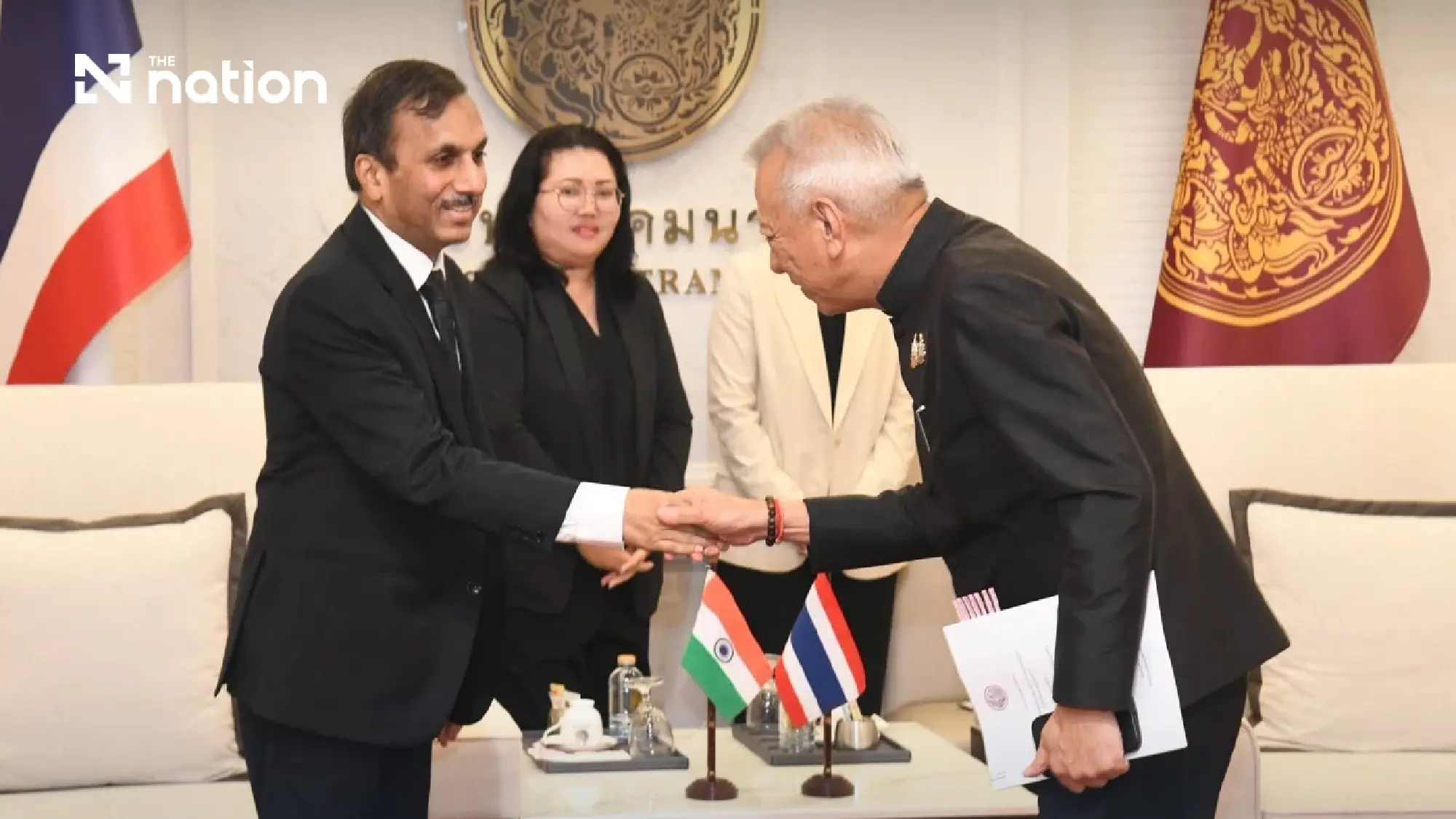

Three-country road agreement reviewed
The meeting also reviewed progress on the India–Myanmar–Thailand Motor Vehicle Agreement.
The agreement is intended to provide an important road connection between South and Southeast Asia, helping to reduce logistics costs and create more trade opportunities for businesses and communities across the region.
Phiphat said transport links between Thailand and India involved more than travel alone. Better connections could create new economic opportunities for businesses, tourism operators and people in both countries.
Thailand and India will mark the 80th anniversary of diplomatic relations in 2027. Phiphat said the occasion offered an opportunity to turn their long-standing ties in trade, investment, tourism and transport into more tangible co-operation.
He described India as a country with strong potential in the economy, tourism and technology, while Thailand served as an important gateway to Southeast Asia.
Agrawal thanked the Transport Ministry for its readiness to expand co-operation across all forms of transport.
He said stronger links between Thailand and South Asia would make travel and cargo movement more convenient, faster and safer, while creating opportunities in trade, investment and tourism.
The ambassador also expressed hope that the two sides would meet again at a future BIMSTEC meeting in India.
