
Thai private sector backs government anti-corruption drive for OECD bid



JSCCIB unveils six Zero Corruption strategies targeting nominee businesses, grey capital and money laundering as Thailand prepares for OECD accession
- Thailand's leading business organizations have launched a six-point anti-corruption campaign targeting bribery, illicit capital, and money laundering.
- The drive encourages businesses to refuse bribes and report wrongdoing through secure channels, with the information used to develop government policy proposals.
- A key focus is reforming government licensing and public services to reduce officials' discretionary power and limit opportunities for corruption.
- These efforts are explicitly aimed at raising governance and transparency standards to support Thailand's bid for membership in the OECD.
Thailand’s leading business organisations have drawn up a six-point campaign against corruption, targeting bribe demands, nominee companies, illicit capital and money laundering.
The Joint Standing Committee on Commerce, Industry and Banking, or JSCCIB, also wants government permits and public services redesigned to leave less room for officials to demand illicit payments.

Businesses will be encouraged to refuse bribes, report suspected wrongdoing through secure channels and share details of problems they encounter when dealing with state agencies. The information will be used to develop proposals for the government rather than remaining as individual complaints.
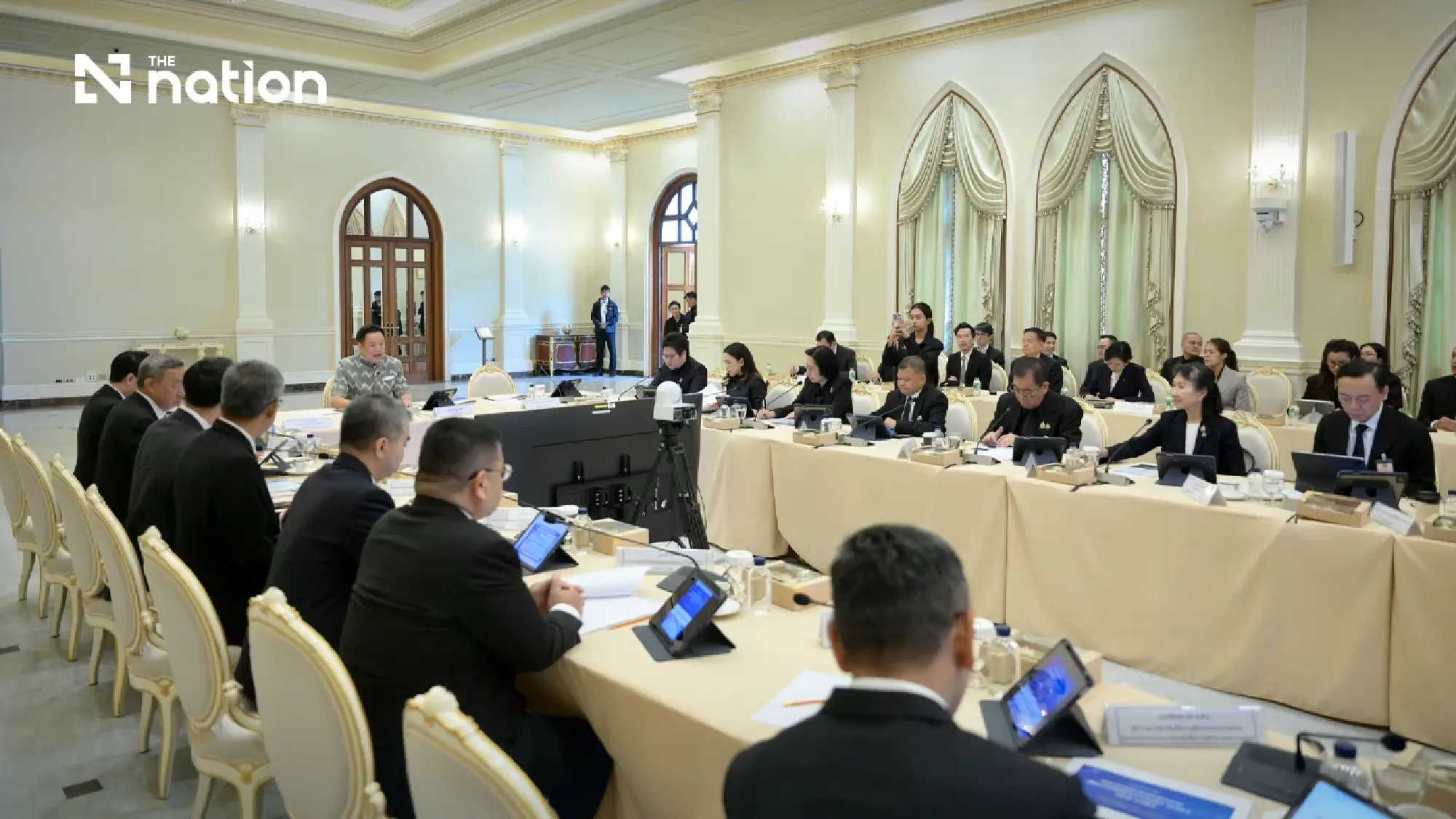
Poj Aramwattananont, chairman of the Zero Corruption working group formed by JSCCIB and Puean Mai Thon, announced the plan after the Anti-Corruption Coordination Committee held its first meeting of 2026 under the prime minister’s chairmanship.
He said the committee had endorsed several measures previously proposed by the private sector. These included a new anti-bribery mechanism, the “One Department, Transparent and Bribe-Free” scheme, changes to licensing procedures and higher governance standards linked to Thailand’s bid for OECD membership.

Businesses urged to reject bribe demands
The campaign asks companies to stop treating bribes as an unavoidable cost of doing business and adopt a clear position of neither offering nor accepting illicit payments.
It will also promote reporting and complaint channels designed to be safe and easy to use, giving businesses and members of the public a way to flag suspected corruption without relying on informal contacts.
The working group plans to hold private discussions with businesses, government agencies, academics and civil-society organisations. Those sessions will examine evidence from surveys on alleged bribe demands and obstacles faced by companies.
Rather than publishing another broad declaration, the group intends to turn the findings into specific policy proposals and trial models for reforming government agencies.
The Zero Corruption working group will pursue six main strategies:
- Encourage businesses to refuse to offer or pay bribes.
- Create safe and accessible channels for reporting suspected corruption.
- Gather evidence from businesses and turn recurring problems into policy proposals.
- Raise governance, transparency and corporate-governance standards in preparation for OECD membership.
- Work with state agencies to tackle nominee businesses, grey capital and money laundering.
- Promote transparent government agencies as models for licensing and public-service reform.
Licensing reform targets official discretion
Another part of the campaign centres on the 2026 Act on Facilitating Licensing Decisions and Public Services.
The working group will help explain and promote the law’s “two cuts, one increase” approach: cutting officials’ discretionary powers, reducing direct contact between officials and the public or intermediaries, and increasing transparency and accountability.
The aim is to close opportunities for officials to solicit payments during permit applications and other government procedures. JSCCIB also expects the changes to reduce hidden business costs and improve the quality of public services.
The private sector sees the reforms as relevant to Thailand’s Corruption Perceptions Index score and its accession talks with the Organisation for Economic Co-operation and Development. Anti-corruption and public governance are among the areas being examined during the accession process.
Nominee firms and illicit money in focus
JSCCIB will work with relevant authorities on nominee business arrangements, so-called grey capital linked to suspicious or unlawful activity, and money laundering.
The campaign will also seek to expand the number of government agencies used as models for transparent administration, tying that work to changes in licensing and public services.
“Fighting corruption means designing systems that make corruption difficult,” Poj said.
He argued that easier, fairer and more transparent services would help businesses operate without hidden costs, improve investor confidence and bring Thailand closer to international governance standards.
