
Probe finds irregularities throughout 2025 local government exams
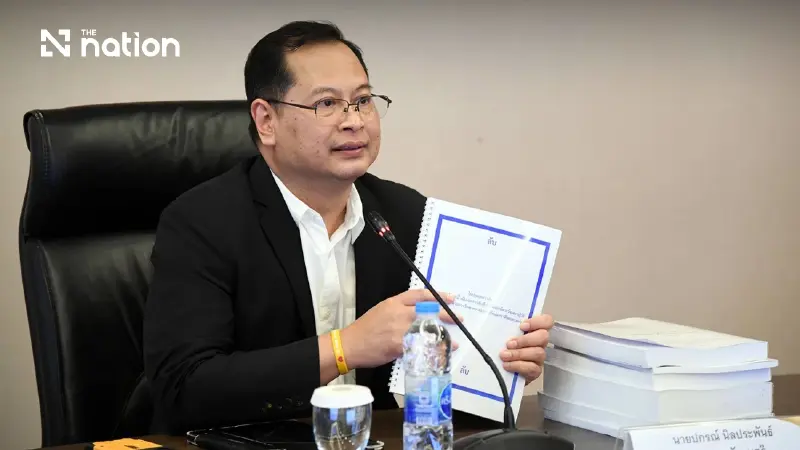


A government probe found score manipulation and legal gaps throughout Thailand’s 2025 local government recruitment exams, prompting calls for prosecutions and a full results review.
- A government investigation found widespread irregularities, potential fraud, and legal violations at nearly every stage of the 2025 local government civil service examinations.
- The most significant finding was the deliberate alteration of examination scores, where officials were directed to raise the scores of candidates who had failed and add points to those who had already passed.
- The number of appointments made (15,520) vastly exceeded the number of approved vacancies (8,548), and appointments continued even after members of the alleged fraud network were arrested.
- The probe recommended pursuing legal action against all parties involved, recalculating scores from original data, revoking illegitimate appointments, and a major overhaul of the entire examination system.
A government-appointed investigation has found irregularities, opportunities for fraud and possible legal violations at almost every stage of Thailand’s 2025 competitive examinations for the recruitment of local government civil servants and employees.
The Fact-Finding and Legal Review Committee, chaired by Deputy Prime Minister Pakorn Nilprapunt, submitted its findings to Prime Minister and Interior Minister Anutin Charnvirakul on August 6, 2026.
The report found weaknesses that could have facilitated corruption throughout the process — from determining vacant positions and approving the examinations to drafting the terms of reference, selecting contractors, administering and marking the tests, announcing the results, appointing successful candidates and responding after the alleged fraud network was uncovered.
Appointments exceed approved vacancies
The committee found that the national central personnel committee for local administrative organisations approved 8,548 vacancies for the examinations, but 15,520 appointments were ultimately made.
It recommended an investigation into whether appointments exceeding the approved number of vacancies complied with relevant laws and regulations.
Regarding the terms of reference, the Central Local Government Personnel Examination Committee assigned its secretariat to prepare the procurement specifications and required the contractor to assume comprehensive responsibility for administering the examinations.
However, the investigation committee stressed that this arrangement did not release the examination committee from its legal responsibilities, as it remained responsible for supervising and overseeing the entire process.
The contractor was also found to have subcontracted the marking of the examinations. An additional copy of the examination results was made, which the committee considered a fraud risk that should be investigated to determine whether it was created deliberately.
Published scores did not match initial results
The most significant finding concerned irregularities in examination scores.
The results produced by the subcontractor immediately after Parts A and B of the examinations did not match the results that were later officially announced.
An examination of digital footprints and testimony from those involved found evidence of repeated instructions and coordination directing officials to alter score data.
The changes included raising the scores of candidates who had originally failed so that they became successful candidates, as well as adding points to candidates who had already passed. These alterations affected their positions on the eligibility list and their chances of being appointed.
The committee described the matter as a “serious deficiency”.
It said assigning or coordinating with outside individuals who had neither the authority nor responsibility to alter examination results after they had already been announced amounted to “clearly irregular and corrupt conduct”.
The report also criticised the examination committee for failing to examine the results in sufficient detail before certifying them.
It had cited the confidential status of the data, even though the committee itself had determined the confidentiality classification and remained responsible for the examination results.
Appointments continued after arrests
The investigation also questioned why appointments from the eligibility lists continued after members of the alleged fraud network had been arrested.
The examination committee only ordered the appointment process to be suspended at a later stage.
The fact-finding committee said this was irregular and reflected weaknesses in the Interior Ministry’s command and administrative systems. It also damaged public confidence in the civil service recruitment process.
The committee recommended that the Interior Ministry pursue all relevant parties through civil, criminal and administrative proceedings, as well as action under ethical standards.
It also called for further investigations, saying the circumstances indicated that the alleged wrongdoing was clearly organised and carried out as a network.
Examination system faces major overhaul
The committee proposed reviewing whether the Central Local Government Personnel Examination Committee should continue organising recruitment examinations, as confidence in both the committee and the examination system had been seriously damaged.
Should it remain responsible for future examinations, its mechanisms and organisational structure would need to be overhauled to ensure good governance and much stricter controls, the report said.
Regarding the disputed examination results, the committee recommended that the Department of Local Administration recalculate the scores and prepare new lists of candidates who passed Parts A and B using the original optical mark recognition, or OMR, data.
Candidates with evidence showing that their scores were improperly altered should be separated from the other candidates.
Authorities should then review the certification of the results and revoke the inclusion or appointment of anyone found to have been ineligible.
Where individuals were appointed without lawful entitlement, the committee also recommended recovering salaries and other remuneration they had received.
Central database proposed to block exam cheats
The committee proposed that the Office of the Civil Service Commission establish a central database of people found to have cheated in civil service entrance examinations.
Government agencies would be able to check the database during the application process, preventing those with records of examination fraud from re-entering the civil service.
It also recommended that the Comptroller-General’s Department, working with relevant agencies, develop standard terms of reference for the administration of government recruitment examinations.
The standard requirements should cover IT security, data protection, access controls, audit logs and systems capable of identifying and reviewing any changes made to examination scores.
The Office of the Civil Service Commission, the Public Sector Anti-Corruption Commission, police, the Interior Ministry and the Office of the Council of State should also jointly review relevant laws.
The review should cover applicants’ qualifications, prohibited characteristics, specific offences and penalties relating to fraud in civil service recruitment examinations.
Information on those involved in the alleged fraud should be forwarded to the Office of the Civil Service Commission for inclusion in the proposed central database.
Relevant agencies would also be required to report their progress to the prime minister every three months.
Anutin endorsed the committee’s recommendations on August 11, 2026, and issued an additional instruction assigning Pakorn to supervise the follow-up process, monitor progress and report developments to him as quickly as possible.
