
Thailand to widen oil sourcing, boost stocks as prices rise
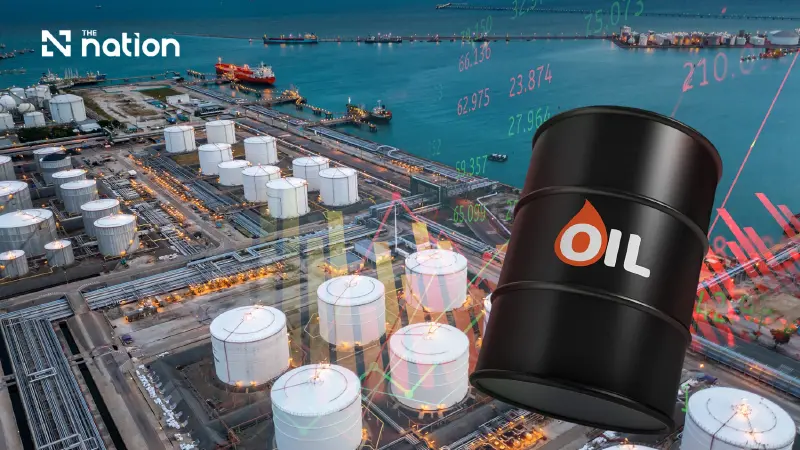


The Energy Ministry is pursuing more import options and larger reserves, while the Oil Fuel Fund runs a deficit of about 83.291 billion baht
The Energy Ministry is seeking crude oil from more regions and preparing to build up reserves as Thailand faces the prospect of high global prices lasting into early 2027.
Veerapat Kiatfuengfoo, deputy permanent secretary for energy and ministry spokesman, said on Tuesday (September 8, 2026) that the country’s supplies remained sufficient despite geopolitical tensions and fighting that had driven up prices and threatened global oil supplies.

“There is no need for the public to worry about oil shortages. Thailand’s supply and reserve systems can still meet domestic demand,” he said.
The ministry is accelerating efforts to diversify imports so Thailand is less dependent on any single source.
It is also preparing infrastructure and reserve arrangements to give the country more flexibility if supplies are disrupted or market conditions change.
Veerapat cited approximate crude prices of US$92.65 a barrel for West Texas Intermediate (WTI), US$97.31 for Brent and US$100.16 for Dubai.
The outlook remained uncertain, he said. Officials were continuously assessing the effects on Thailand and preparing both short- and long-term measures covering domestic prices, procurement and reserves.
Thailand’s reliance on imported oil limited its ability to control prices, Veerapat explained. The ministry would use the mechanisms available to secure adequate supplies and reduce the impact of global price swings on consumers, adjusting its response as conditions changed.
Oil fund deficit puts focus on financial discipline
The Oil Fuel Fund, which helps stabilise domestic energy prices, had a deficit of approximately 83.291 billion baht as of September 6, 2026.
Veerapat said the ministry would manage the fund carefully as it continued to bear the cost of price support.
Its decisions would need to reduce the burden on consumers while preserving the fund’s long-term financial stability and discipline.
