
Thailand cuts Chao Phraya Dam releases as northern inflows ease
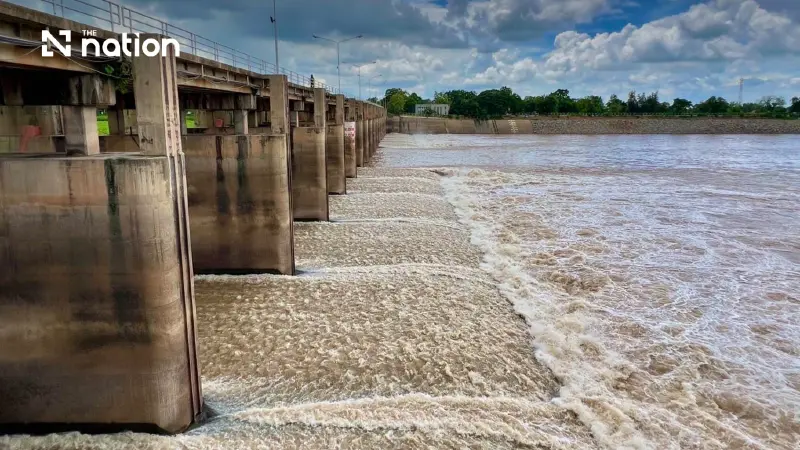


Thailand reduces dam discharges to ease downstream flooding while maintaining drainage operations and preparing the South for more heavy rain.
- Thailand's Royal Irrigation Department has cut water releases from the Chao Phraya Dam from 2,000 to 1,900 cubic metres per second.
- The reduction was prompted by a steady decline in floodwater flowing from northern Thailand, where rainfall has decreased.
- This measure aims to ease the impact of flooding on communities located downstream along the Chao Phraya River.
The Royal Irrigation Department (RID) has reduced water releases from the Chao Phraya Dam to 1,900 cubic metres per second as floodwater flowing from northern Thailand continues to decline, helping to ease the impact on downstream areas.
Pumps and water pushers remain deployed for round-the-clock drainage in the Bang Pakong basin, Rangsit and the South.
RID deputy director-general Worapot Phetnorachat chaired a daily meeting to monitor water conditions and assess trends on Monday (October 12, 2026), in the meeting room of the Smart Water Operation Center (SWOC) at the department’s Samsen headquarters.
Representatives from key agencies, including the Thai Meteorological Department (TMD), the Hydro-Informatics Institute (Public Organization) and the Electricity Generating Authority of Thailand (EGAT), attended.
Regional Irrigation Offices 1–17 throughout Thailand joined by video conference to assess local conditions and coordinate water management plans in line with the prevailing weather.
1. Falling northern inflows allow lower Chao Phraya Dam releases
Worapot reported after the meeting that water conditions in several parts of Thailand were beginning to show signs of gradual improvement. Rainfall in the upper part of the country had started to decline, leading to a sustained reduction in northern floodwater entering major rivers, particularly the Chao Phraya.
The C.2 monitoring station in Nakhon Sawan recorded a flow of 1,824 cubic metres per second, with the volume continuing to decline and the water level 3.45 metres below bank level.
RID began gradually reducing Chao Phraya Dam releases at 9am, lowering the rate from 2,000 to 1,900 cubic metres per second by 4pm, at an average reduction of about 15 cubic metres per second each hour.
The department is maintaining that rate while also reducing the amount of water taken into irrigation systems on both banks, with the aim of limiting downstream flows and easing the impact on communities along the Chao Phraya River.
Releases from the Pa Sak Jolasid Dam have also been progressively reduced, in coordination with lower discharges from the Rama VI Dam.
Conditions along the riverbanks downstream of the Rama VI Dam are beginning to improve and are expected to return to normal soon.
2. Reservoir storage and conditions in major river basins
Large and medium-sized reservoirs throughout Thailand held a combined 63,635 million cubic metres of water as of October 12, equivalent to 83% of their total storage capacity.
They could accommodate a further 13,056 million cubic metres.
RID continues to monitor reservoir inflows closely and assess rainfall with relevant agencies to plan water allocation for each region.
- Chao Phraya basin: Releases from the Chao Phraya Dam have fallen from 2,000 to 1,900 cubic metres per second as northern inflows ease, helping to reduce the impact downstream.
- Bang Pakong basin: Additional pumps and water pushers have been installed to drain accumulated water in Ongkharak district through the Rangsit Canal and other canals in the network into the main rivers. Operations cover Nakhon Nayok, Prachin Buri and Chachoengsao.
- Bangkok and surrounding provinces: Advanced Hydroflow pumps have been installed at the Pak Khlong Rangsit and Chulalongkorn pumping stations to increase drainage capacity and reduce standing floodwater.
- Tha Chin and Mae Klong basins: A total of 20 water pushers are being operated to accelerate drainage towards the sea and reduce the impact on riverbank communities and vulnerable locations.
- Phetchaburi basin: Discharges through the Phetchaburi Dam are being maintained at 111 cubic metres per second, with releases from the Kaeng Krachan and Mae Prachan reservoirs coordinated accordingly.
Accelerating drainage in the Bang Pakong basin and Rangsit Canal
RID is working with the Royal Thai Navy and local agencies to accelerate drainage from Nakhon Nayok, Prachin Buri and Chachoengsao.
Additional water pushers and pumps have been installed in the Bang Pakong River to increase the flow towards the sea.
In Ongkharak district, Nakhon Nayok, where accumulated water remains high, officials are accelerating drainage through irrigation canals, the Rangsit Prayunsak Canal and other canals in the network towards pumping stations for discharge into the Chao Phraya and Bang Pakong rivers.
Physical constraints and terrain continue to slow drainage at some locations.
Flood relief for Bangkok and surrounding provinces
To protect and assist residents in Bangkok and surrounding provinces, RID has installed additional high-performance Hydroflow pumps at the Pak Khlong Rangsit and Chulalongkorn pumping stations.
The equipment increases the capacity to lower canal levels and discharge water from the canal network, reducing standing floodwater in communities and easing hardship as quickly as possible.
Meanwhile, more than 20 water pushers remain in operation in the Tha Chin and Mae Klong basins to accelerate drainage towards the sea, with particular attention to low-lying riverbank areas and locations at risk.
3. Monitoring Phetchaburi and preparing for heavy rain in the South
Phetchaburi has been affected by persistent heavy rain over the past weekend, bringing sustained inflows into the Kaeng Krachan and Mae Prachan reservoirs.
RID has adjusted the release plans for both reservoirs to coordinate their discharges, while maintaining flows through the Phetchaburi Dam at 111 cubic metres per second.
Remaining water is being diverted into irrigation systems to minimise the volume passing through Phetchaburi town.
Although water conditions in Phetchaburi are beginning to stabilise, close monitoring remains necessary because TMD forecasts increased rainfall in the area during October 13–16.
4. Southern preparedness and assistance channels
TMD forecasts declining rainfall in upper Thailand during October 12–16, while the South is likely to experience continued rain and may see heavy to very heavy rainfall in some locations.
RID has instructed its regional offices in the South to prepare in advance through the following measures.
Disaster preparedness measures for the South
Equipment readiness: Prepare pumps, water pushers and heavy machinery, ensuring they are in working order and ready for immediate use.
Round-the-clock staffing: Station operational teams at vulnerable locations, particularly low-lying areas, urban communities and places at risk of flash floods or sudden surges of floodwater from forested areas.
Assessment and warnings: Closely monitor rainfall forecasts to assess conditions and issue accurate public warnings, in line with instructions from the agriculture and cooperatives minister and the RID director-general.
How to contact RID for assistance
People affected by flooding or standing floodwater, or wishing to report a water-related emergency, can request assistance 24 hours a day through the following channels.
- Direct telephone line: 02-583-3495
- RID hotline: 1460
- Online: RID’s Facebook page and official website
RID confirmed its commitment to continue managing water resources at full capacity, accelerate drainage from flooded areas and deploy staff to assist residents until flood conditions throughout Thailand return to normal.
