
Thailand backs use of satellites and AI for disasters and farming
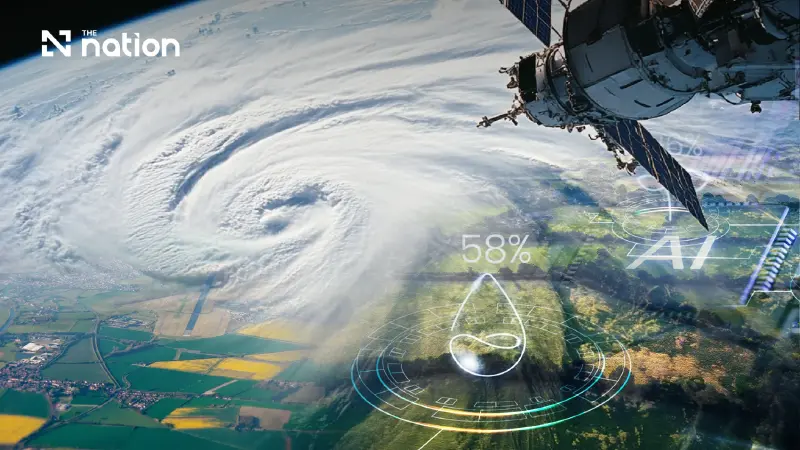


Thailand backs a Bangkok declaration promoting satellites, geospatial data, AI and big data for disaster response, farming and climate resilience.
Thailand’s Cabinet has approved a draft Bangkok ministerial declaration aimed at expanding the use of satellite data, geospatial technology, artificial intelligence and big data to tackle disasters, support agriculture and strengthen climate resilience across the Asia-Pacific region.
Deputy Government Spokesperson Capt Patdarasm Thongsaluaykorn said on Tuesday (October 27) that the Cabinet endorsed the draft Bangkok Ministerial Declaration on Space Applications for Sustainable Development in Asia and the Pacific, as proposed by the Ministry of Higher Education, Science, Research and Innovation.
The Cabinet also authorised Higher Education, Science, Research and Innovation Minister Yodchanan Wongsawat, or a designated representative, to endorse the declaration at the Fifth Ministerial Conference on Space Applications for Sustainable Development in Asia and the Pacific.
The meeting will be held at the United Nations Conference Centre in Bangkok on October 28-29.
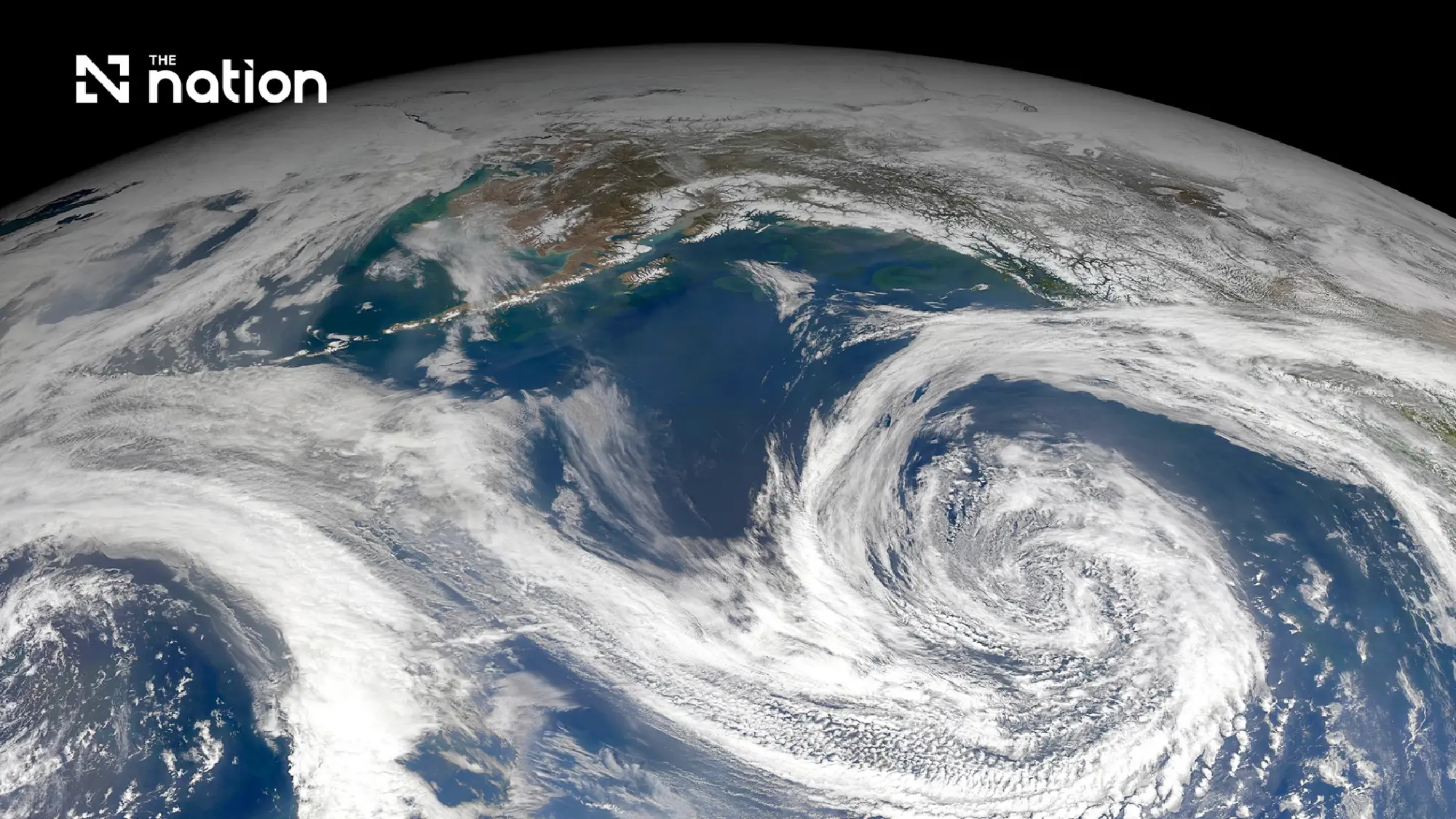

Satellites and AI to support disaster response
Patdarasm said the draft declaration seeks to strengthen cooperation among member states of the United Nations Economic and Social Commission for Asia and the Pacific (ESCAP).
The initiative promotes the combination of space technology, satellite information and geospatial data with newer technologies such as artificial intelligence and big data.
Applications would include disaster monitoring and response, natural-resource management, agricultural planning and measures to address climate change.
“Space technology is not something distant from people’s everyday lives,” Patdarasm said.
“It is an important tool that can provide data for monitoring floods and drought, planning cultivation and managing resources more accurately. This cooperation is therefore aimed at using technology to solve real problems affecting people.”
Knowledge and technology sharing included
The draft declaration also places emphasis on knowledge exchange, technology transfer, workforce development and international cooperation in science and innovation.
The government said such cooperation could give Thailand greater access to expertise and enable the country to expand the use of space applications to support sustainable economic, social and environmental development.
The regional initiative builds on the Asia-Pacific Plan of Action on Space Applications for Sustainable Development (2018–2030), which promotes the use of space technology and geospatial information in areas including disaster-risk management, natural resources, connectivity, social development, energy and climate change.
Declaration creates no legal obligations
The government stressed that the Bangkok declaration represents a statement of political intent and international policy cooperation rather than a treaty.
Its endorsement would therefore not create legally binding obligations under international law and would not constitute an international agreement under Section 178 of Thailand’s Constitution.
The ministerial meeting is expected to set the direction for the final phase of the Asia-Pacific action plan through 2030, with ESCAP seeking stronger regional cooperation and wider use of space-derived data for resilience and sustainable development.
