
UNESCO to review Chud Thai nomination for heritage listing in December
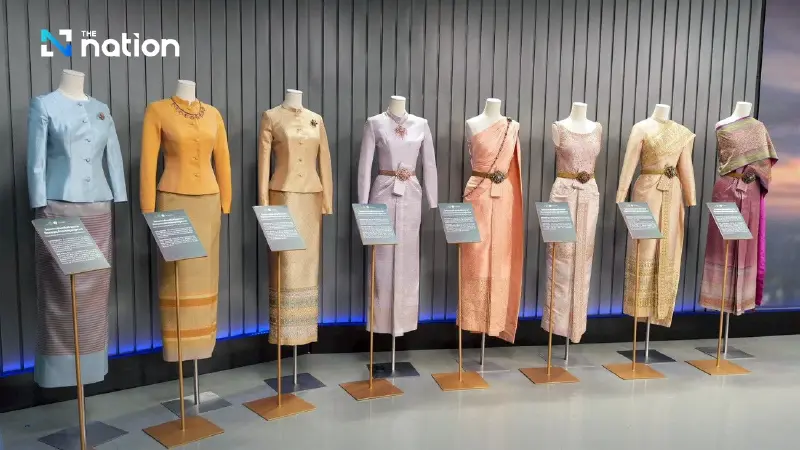


Thailand’s nomination covers the skills of weavers and embroiderers, the knowledge behind its national dress and how people wear it today.
- UNESCO will review the nomination of Chud Thai, Thailand's national dress, for its intangible cultural heritage list on December 2–3, 2026.
- The nomination covers the craftsmanship, dress customs, and generational knowledge involved in making and wearing the garments.
- The official styles, known as Chud Thai Phra Rajaniyom, were initiated by Queen Sirikit The Queen Mother in 1960 and continue to set the standard for Thai dress.
- If inscribed, the recognition would be a source of national pride and is expected to boost Thai fashion, cultural tourism, and soft power.
Thailand is awaiting a decision on whether the traditions of making and wearing Chud Thai, its national dress, will be listed as intangible cultural heritage.
The United Nations Educational, Scientific and Cultural Organization (UNESCO) will consider the nomination on December 2–3, 2026, during its heritage committee’s 21st session in Xiamen, China.
The session runs from November 30 to December 5.
Thailand’s Ministry of Culture said the nomination covers craftsmanship, dress customs and knowledge passed down through generations.
This includes the history of dress in Siam and how local fibres and fabrics are chosen to suit both the wearer’s build and the climate.

In 1960, Her Majesty Queen Sirikit The Queen Mother initiated research into Thai dress and the design of eight styles for use as Thailand’s official national dress.
Known collectively as Chud Thai Phra Rajaniyom, the styles include Ruean Ton, Chitralada, Chakri and Siwalai.
They continue to set a standard for Thai dress.
In communities across Thailand, weavers produce silk, pha yok brocade and chok cloth, embroiderers work with gold metallic thread, and master tailors cut and sew the garments.
Artisans pass these skills on through one-to-one teaching.
Their work reflects both the value of craftsmanship to the creative economy and the self-reliance of their communities.


Customs guide the choice of Chud Thai for royal ceremonies and auspicious celebrations.
Contemporary styles also allow younger people to wear it when they go out, take photographs or attend events.
If inscribed, Chud Thai would join Khon, Nuad Thai, Nora, Songkran and Tomyum Kung on UNESCO’s list.
Recognition would be a source of national pride and could create opportunities for Thai fashion and cultural tourism to grow rapidly abroad while strengthening Thailand’s soft power.


