
Trinuch orders study on how to overhaul SSO structure
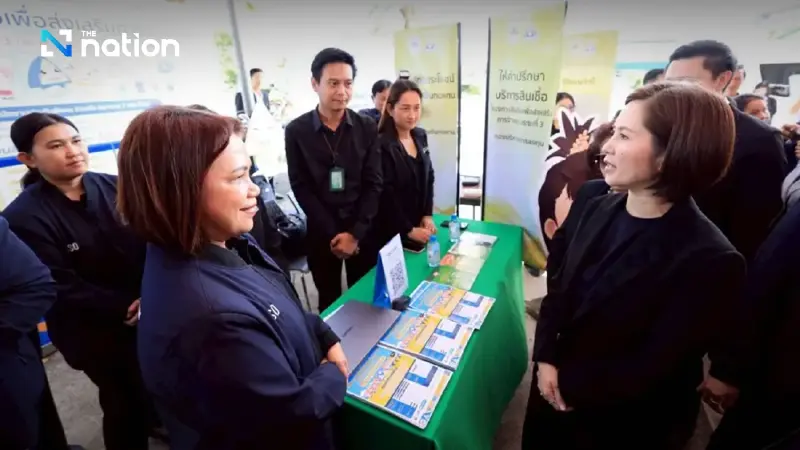


Labour Minister Trinuch says the 31-year-old SSO needs reform and has ordered a university-led study on making it more independent and agile.
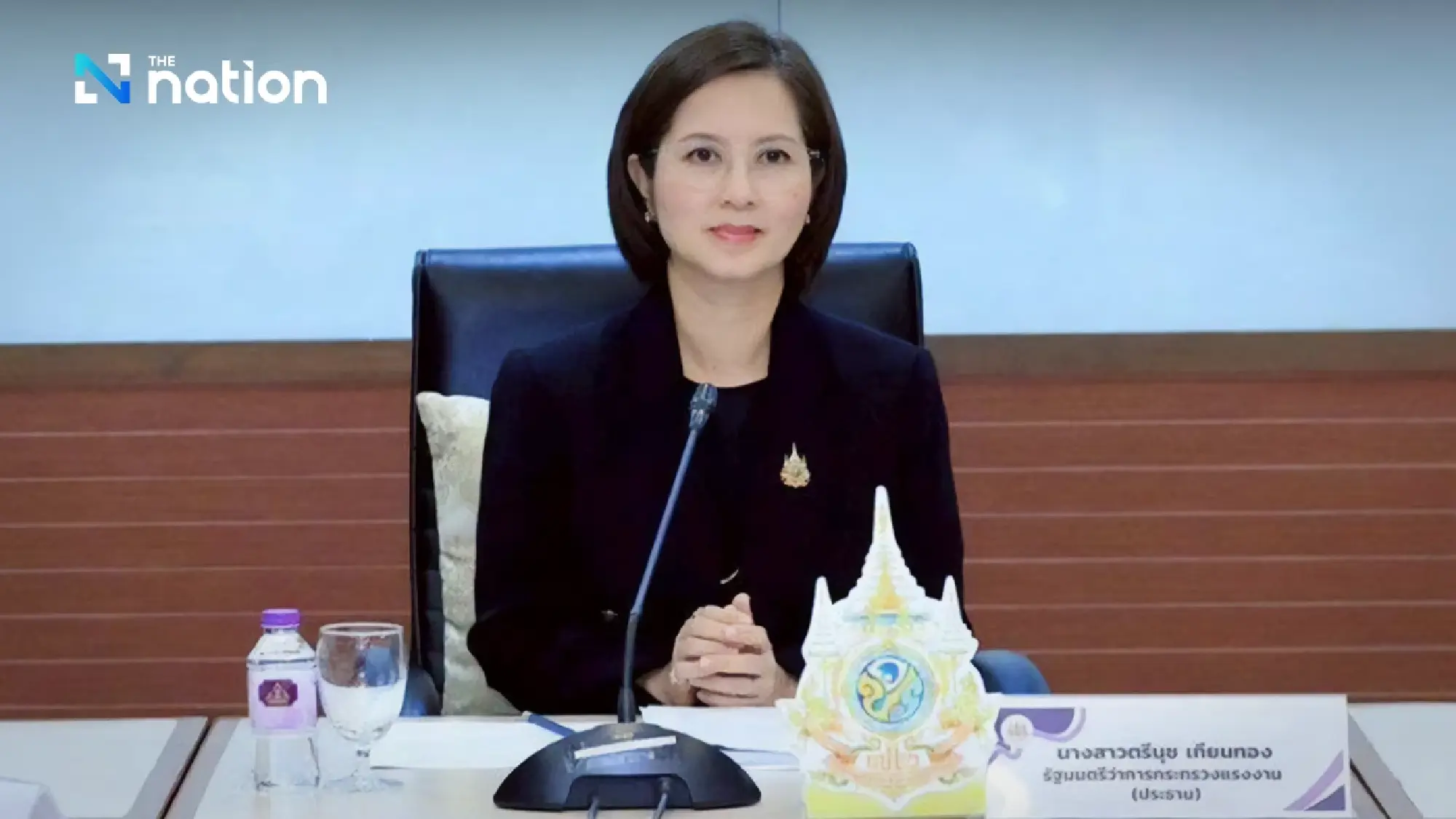
Labour Minister Trinuch Thienthong said on Sunday she has instructed her ministry to hire a university to study how to restructure the social security system and make the Social Security Office (SSO) more independent from the bureaucracy, in a bid to improve agility and better meet insured workers’ needs.
‘Time to reform’ after 31 years
Trinuch said the SSO has been in place for 31 years and that it is time to reform it to align with changing social conditions.
She said she had set the policy from the outset and assigned the Permanent Secretary of the Labour Ministry to proceed, including commissioning a highly specialised higher-education institution to examine feasibility and propose options for reforming Thailand’s social security system and its administrative structure.

Focus on professional management and fixing structural problems
She said the reform would focus on professional management, prioritising people with deep expertise in public finance and a clear understanding of insured persons’ needs.
A key constraint that must be addressed urgently, she said, is “systemic and structural management problems” that limit flexibility and affect the ability to care for insured members.
Push for a more independent, agile SSO
Trinuch said her earlier policy was to overhaul the social security system and its structure entirely so it can keep pace with economic and social change.
In her personal view, the SSO should be more independent and agile for the benefit of 24 million insured persons and more than 500,000 employers.


Models outside the traditional civil service system
“I have instructed the Permanent Secretary of the Labour Ministry to study management models that operate outside the traditional civil service system,” she said.
She cited possible approaches such as a structure similar to the Government Pension Fund (GPF) or management in the manner of a financial institution with a high degree of flexibility.
‘Appropriate and sustainable’ benefits, data-driven investments
Trinuch said the ultimate goal of the reform is to create a benefits system that is “appropriate and sustainable” for insured persons under all sections of the law.
She stressed that future investment decisions and the use of the fund must be based on accurate data (big data), comprehensive impact assessments, and verifiable good governance at every step.
‘Every baht comes from workers’
“Every baht and satang comes from the hard-earned money of insured members,” she said, adding that the ministry’s mission is to transform the organisation into a professional body to ensure the fund remains a reliable safety net and improves quality of life for insured members and the public.
