
Transport Ministry pushes single rail owner for 40-baht daily fare
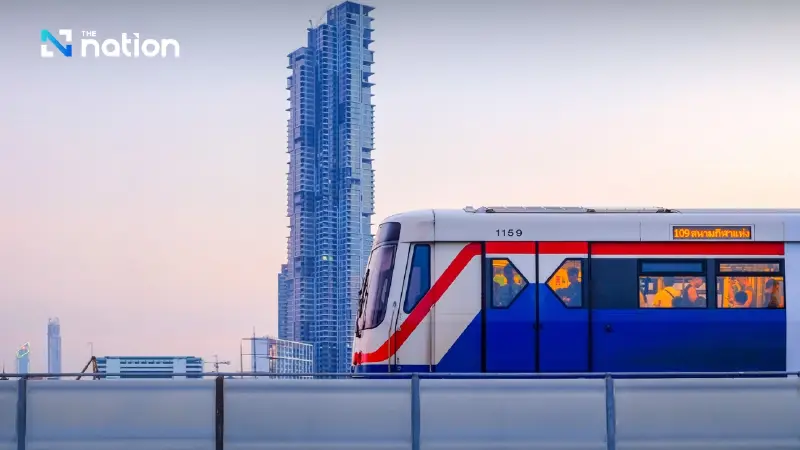


Thailand’s Transport Ministry is moving to centralise electric rail management under the MRTA to support a 40-baht daily flat fare by early 2027.
Deputy Prime Minister and Transport Minister Phiphat Ratchakitprakarn has ordered the Mass Rapid Transit Authority of Thailand (MRTA) to accelerate the government’s “single ownership” policy for electric rail services, aiming to pave the way for a 40-baht daily flat fare by early 2027.
The policy seeks to centralise the management of all electric rail lines under one integrated framework, with the MRTA serving as the main agency responsible for rail operations and fare policy.
Green Line transfer talks to be fast-tracked
Phiphat said the ministry would prioritise negotiations with the Bangkok Metropolitan Administration (BMA) over the transfer of the Green Line to the MRTA.

The ministry will also hold talks with Bangkok Mass Transit System Plc (BTSC), the Green Line concessionaire, and Bangkok Expressway and Metro Plc (BEM), the Blue Line concessionaire, to bring both operators into the government’s cost-of-living reduction scheme.
The government aims to introduce a 40-baht flat fare across all lines by early 2027 without using the state budget.
MRTA studies fare cap and new pricing model
MRTA governor Kajphajon Udomthammapakdee said the agency was working with the Department of Rail Transport and the Office of Transport and Traffic Policy and Planning on a cost-benefit analysis to support the common ticket and joint fare policies.

The MRTA has appointed consultants to study a new fare structure, including zonal pricing and a “cap fare”, or maximum fare limit, to provide long-term clarity for passengers and operators.
Kajphajon said the agency also planned to renegotiate existing contracts by shifting from the current “net cost” model to a “gross cost” model, which would give the government greater control over fare reductions.
The goal is to introduce joint fares on new lines or eligible existing lines from January 1, 2027, as a New Year’s measure for the public.
Green Line extensions and Gold Line under review
On rail infrastructure, the MRTA is discussing the transfer of the Green Line extensions and the Gold Line from the BMA to the MRTA for integrated management.
The move is intended to support a more unified fare and operating structure across Bangkok’s electric rail network.
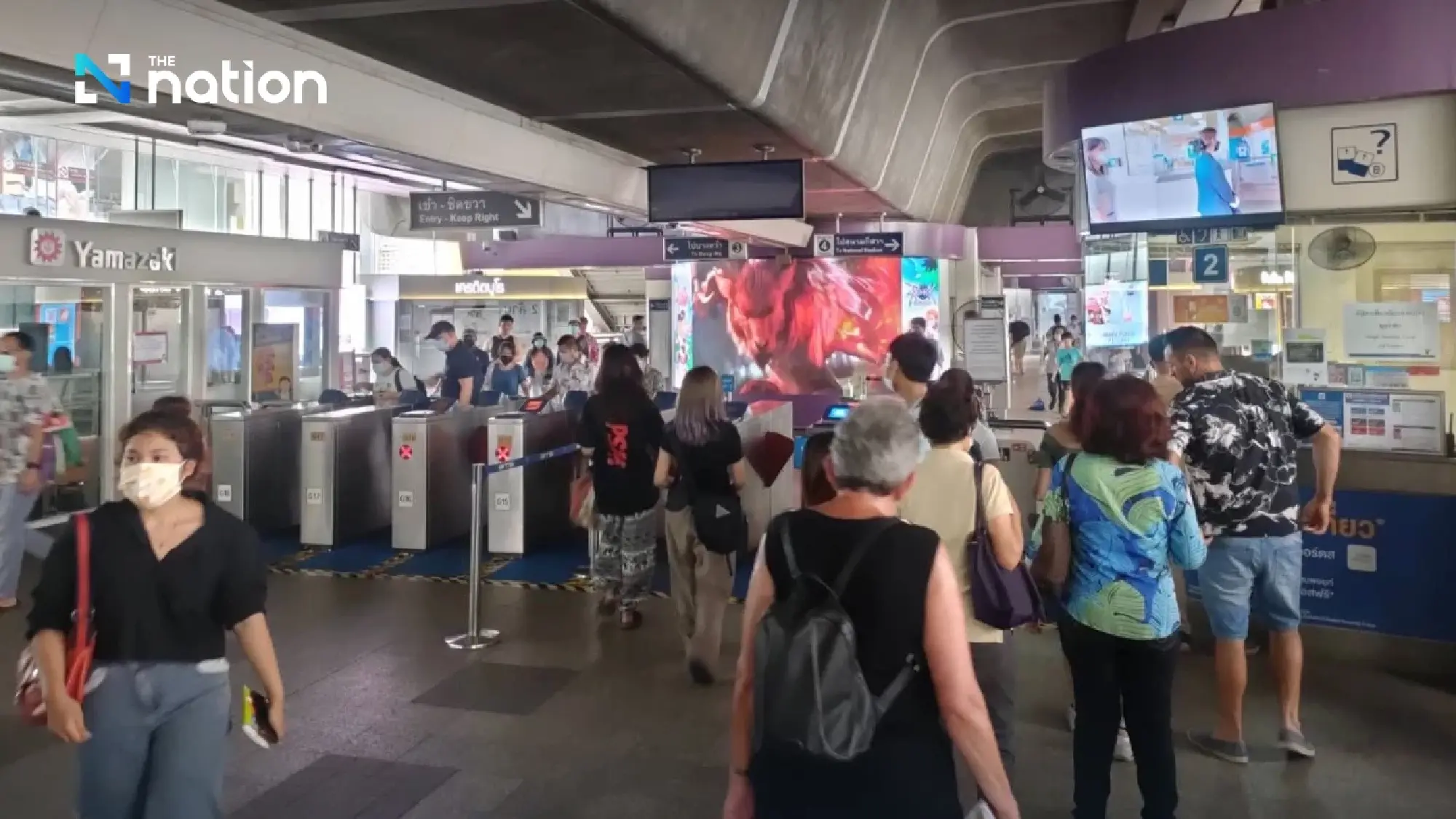

BEM talks eyed for Purple Line's southern extension
For the Purple Line's southern extension project from Tao Poon to Rat Burana, Kajphajon said civil works were progressing steadily.
The MRTA is preparing to submit a project analysis report under the 2019 Public-Private Partnership Act to its board within the next one to two months.
Initial studies recommend using a gross cost model, similar to the existing Purple Line between Tao Poon and Khlong Bang Phai, to ensure operational continuity and allow passengers to travel through Tao Poon Station without changing trains.
The MRTA believes negotiations with the existing operator, BEM, would be technically suitable and convenient for commuters. The proposal is expected to be submitted to the Cabinet by late 2026 or early 2027, with the operator to be finalised in 2027 ahead of the planned 2030 opening.
Orange Line systems more than halfway complete
For the Orange Line’s eastern section from Thailand Cultural Centre to Min Buri, covering 22.5 kilometres, installation of railway and signalling systems is more than 50% complete.
The MRTA is awaiting delivery of 32 train sets. The first train set is expected in October 2026, with the full fleet due by late 2027. Systems testing will begin after delivery.
The official schedule targets an early 2028 opening, but the contractor has told the MRTA it will try to speed up work in an effort to open the line by late 2027.
