
Thai ministry to request Cabinet approval next week for 2027 rail fares of 17–45 baht
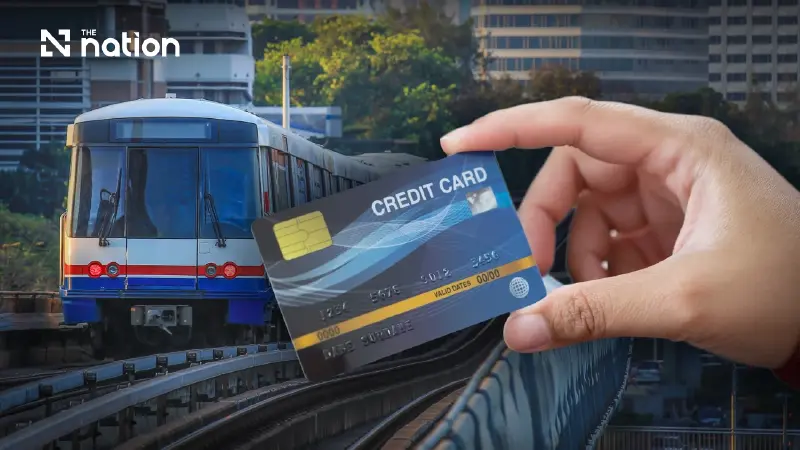


Thai nationals would pay normal rail fares upfront and receive refunds through Paotang within three days under Thailand’s proposed 2027 scheme.
- Thailand's Transport Ministry will ask the Cabinet to approve a scheme offering 17–45 baht electric rail fares for Thai nationals throughout 2027.
- The proposal requests a budget ceiling of 5.8 billion baht to fund the one-year trial reimbursement program.
- The scheme would function as a refund system, where passengers pay the normal fare and receive the difference back into their Paotang accounts.
- Eligibility requires registration with an EMV-standard Visa or Mastercard, as the system does not currently support Rabbit cards.
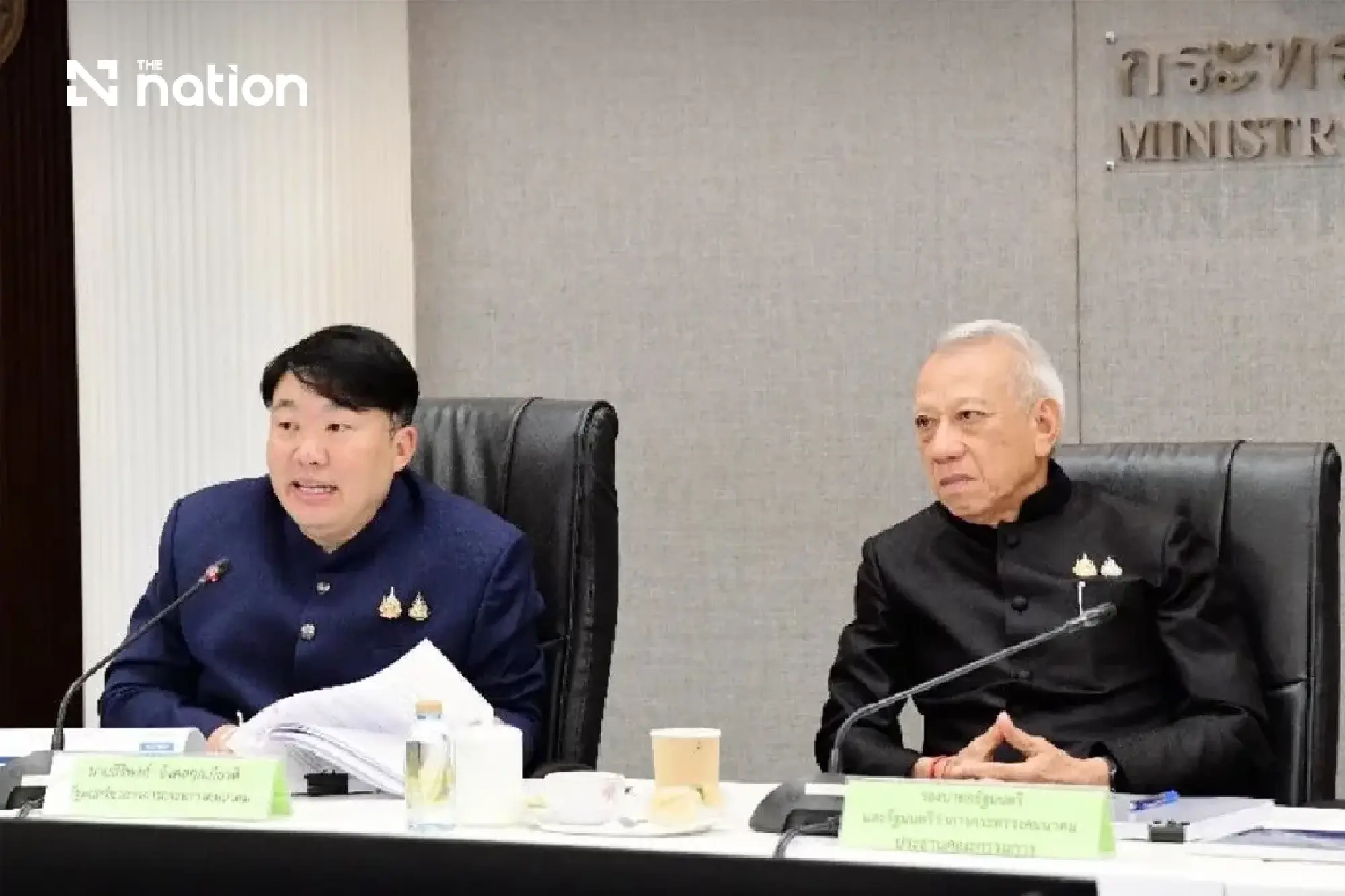
Thailand’s Transport Ministry will ask the Cabinet on October 26, 2026, to approve up to 5.8 billion baht for a scheme offering Thai nationals electric rail fares of 17–45 baht per journey throughout 2027. Deputy Transport Minister Siripong Angkasakulkiat announced the plan on Wednesday (October 21, 2026).
Siripong outlined the proposals after the second meeting of 2026 of the committee overseeing rail fare policies to reduce living costs. The package would also extend the Red and Purple lines’ 40-baht daily fare measure and advance preparations to transfer rail management responsibilities.

Thai nationals would pay first and receive fare refunds
Only Thai nationals would qualify for the proposed 17–45 baht fares, Siripong confirmed. Registered passengers would pay the normal fare upfront and receive the difference directly in their Paotang accounts within three days, under a T+3 arrangement.
Registration for the proposed fare scheme would take place through the Paotang app and be limited to Visa or Mastercard cards using the Europay, Mastercard and Visa (EMV) payment standard.
“It is now clear that only EMV cards can be registered for the benefit,” Siripong said. He explained that Krungthai Bank had confirmed that the system could not yet support Rabbit cards because their transaction records did not meet the data standards recognised by Visa.
“If Rabbit cards obtain the required international certification in future, they will be able to join the system as normal,” Siripong added, referring to the planned fare-refund scheme.

Children aged 7–15 can obtain Mangmoom rail cards but cannot open Paotang accounts independently, according to Siripong. The ministry and Krungthai Bank had discussed requiring parents or guardians to verify their identities and link the children’s cards to the adults’ Paotang accounts to receive refunds. The registration system would accommodate both the adult’s card and the child’s card.
Siripong said most electric rail passengers used the Green Line, making alternative payment arrangements important while Rabbit cards remained unsupported. The ministry had discussed dedicated EMV payment points with Krungthai Bank and planned to install five or six card readers at each Green Line station to reduce crowding.

Thai Cabinet to consider three rail fare proposals
Siripong said the Cabinet submission on October 26 would contain three items, covering rail management, the existing daily fare measure and funding for the proposed 2027 scheme:
- Rail management transfer: A report on preparations to sign a memorandum of understanding covering the transfer of electric rail management responsibilities. The draft is being prepared for review by the Office of the Attorney General.
- Red and Purple line fares: A request to extend the 40-baht daily fare measure by one year and one month, until December 31, 2027.
- Funding for 17–45 baht fares: A request for a central-budget ceiling of 5.8 billion baht to fund a one-year trial reimbursement scheme from January 1 to December 31, 2027.
Siripong acknowledged that common-ticketing legislation and the “single ownership” framework had not progressed within the planned timetable, with the position reported to the Cabinet on October 20. The framework would bring all electric rail projects under the management of the Mass Rapid Transit Authority of Thailand (MRTA).
Siripong expressed confidence that common ticketing and single ownership would be completed by the end of the trial period, allowing the 17–45 baht fare policy to continue and cover all routes.
17–45 baht fare budget would cover actual reimbursements
Siripong stressed that the proposed 5.8 billion baht was a spending ceiling, not a lump sum to be withdrawn in full. Payments would be made according to the actual fare compensation required.
The central-budget request was necessary because MRTA funds had already been committed to the Orange Line project and budget support to replenish those funds was not yet due, Siripong explained.
Siripong expected the fare measure to attract more passengers than private operators had forecast. The government and operators had discussed a requirement for private companies to make payments to the state linked to the additional passenger numbers, potentially reducing the amount of compensation funding needed.
The criteria for payments by private operators would be assessed about three months after the scheme began, Siripong said. Passenger figures from the preceding year would provide the comparison baseline, and the government might therefore not need to use the full 5.8 billion baht.
Red and Purple lines report higher EMV use and revenue
Pichet Kunadhamraks, director-general of the Department of Rail Transport, reported increases in EMV contactless passenger journeys and fare revenue on the Red and Purple lines following the introduction of the daily fare measure on December 1, 2025.
According to Pichet, cumulative data through the end of August 2026 showed the following average daily results for journeys paid for using EMV contactless cards:
- Red Line: 9,460 passenger journeys a day, up 89.01%, and average daily fare revenue of 310,000 baht, up 212.43%.
- Purple Line: 27,653 passenger journeys a day, up 135.41%, and average daily fare revenue of 600,000 baht, up 275.00%.
Pichet put the combined average for the two lines at 37,113 EMV passenger journeys a day, an increase of 121.54%. He described the increases in ridership, fare revenue and contactless card use as evidence of the measure’s positive effects and important information supporting consideration of an extension.
