
BMA to relocate out-of-constituency referendum venues as registrations surge: EC
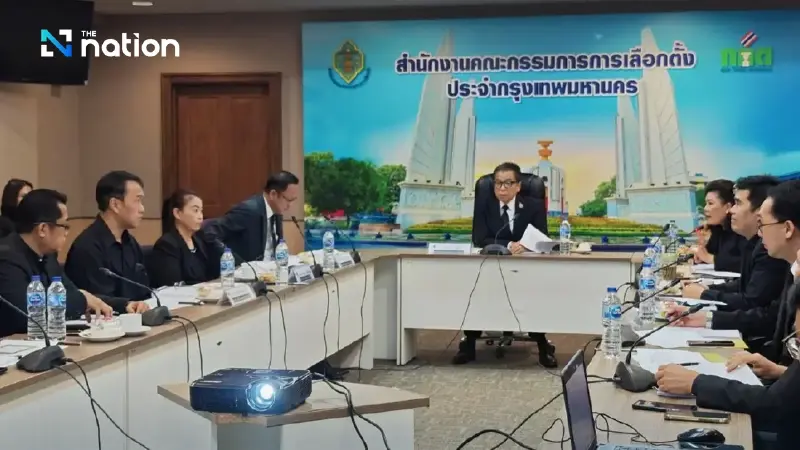


Bangkok will need to relocate some out-of-constituency referendum polling venues after registrations exceeded capacity in several districts, Election Commission Office secretary-general Sawaeng Boonmee said.
- The Bangkok Metropolitan Administration (BMA) must find new venues for out-of-constituency referendum voting because the number of registered voters has surged beyond the capacity of the current locations.
- The issue arose from a planning mix-up, as officials had not prepared separate, larger venues for the February 8 referendum, mistakenly believing it would occur on the same day as advance voting.
- Several districts are significantly affected, with some having more than double the number of registered voters than their venue can accommodate, such as Huai Khwang (24,717 registered for an 11,000-capacity venue).
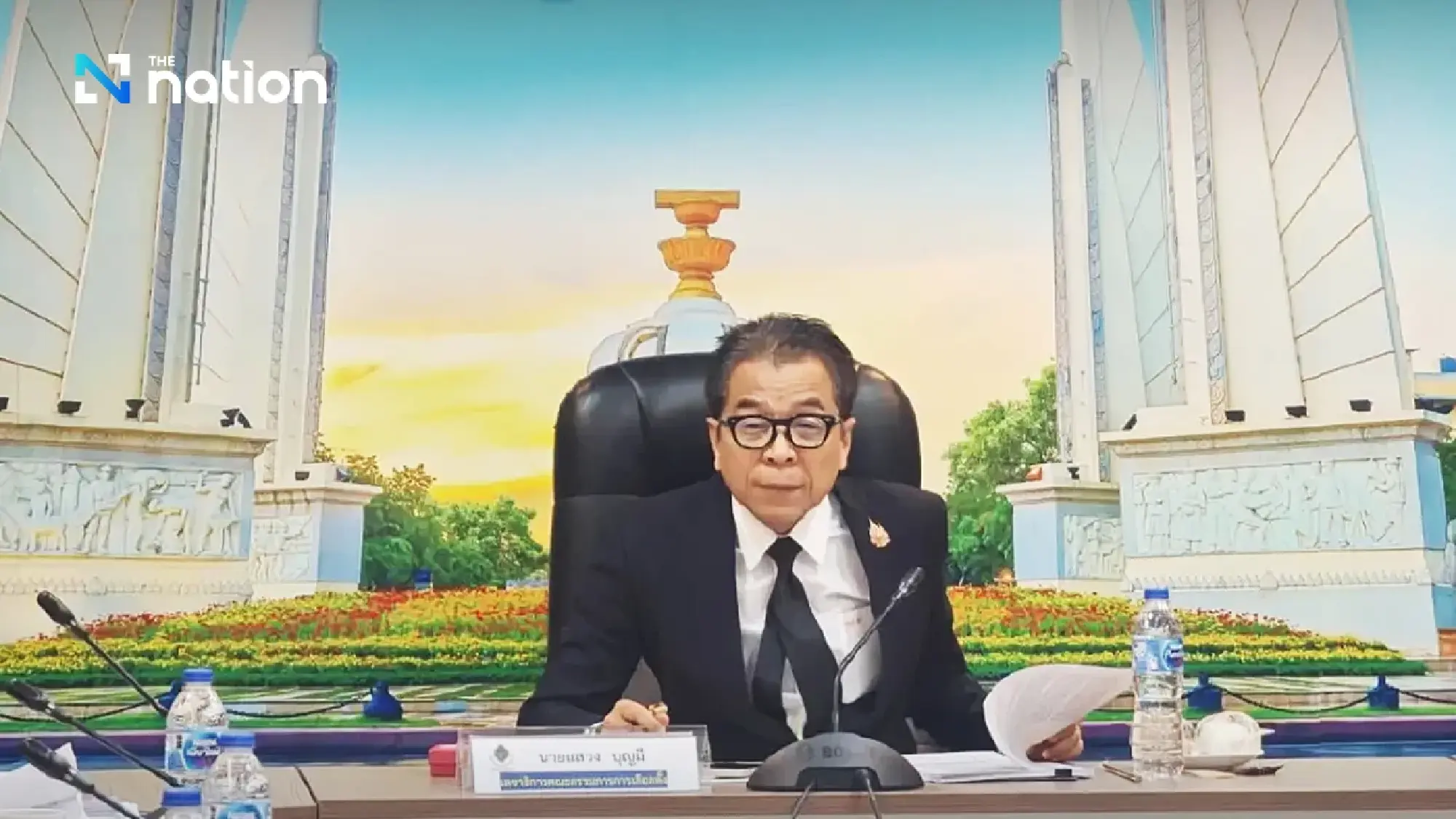
Election Commission Office secretary-general Sawaeng Boonmee said on Tuesday that the Bangkok Metropolitan Administration (BMA) will need to change venues for out-of-constituency referendum balloting to cope with the high number of registered voters.
Sawaeng spoke after the Election Commission (EC) Office met Samphan Saengkhamlert, Bangkok election director, and representatives from Bangkok districts.
Meeting reviews readiness for advance voting and the out-of-constituency referendum
The meeting was held to check readiness for advance voting on February 1 for the February 8 general election, as well as balloting for the out-of-constituency referendum on a charter amendment on February 8.

Sawaeng said venues for advance voting on February 1 posed no issues, as district offices had prepared spaces large enough to accommodate registered voters.
Out-of-constituency referendum venues face capacity crunch after planning mix-up
However, he said the main concern would be out-of-constituency referendum balloting on February 8.
He explained that BMA election officials initially believed the out-of-constituency referendum would take place on the same day as advance voting, so they did not prepare venues for February 8. As a result, existing venues would be too small for the number of registered voters, and new venues would need to be secured, he said.
Five districts with the highest registrations
The five districts with the highest numbers of registrants were:
Pathum Wan district, Constituency 2
- 22,925 registered for advance voting
- 19,035 registered to vote in the out-of-constituency referendum, but the existing venue can accommodate only 10,000
Huai Khwang district, Constituency 5
- 32,484 registered for advance voting
- 24,717 registered to vote in the out-of-constituency referendum, but the venue can accommodate only 11,000
Lak Si district, Constituency 8
- 25,763 registered for advance voting
- 18,180 registered to vote in the out-of-constituency referendum, but the venue can accommodate only 1,000
Chatuchak district, Constituency 9
- 51,739 registered for advance voting
- 39,687 registered to vote in the out-of-constituency referendum, and the venue can accommodate 22,000
Bang Kapi district
- 58,727 registered for advance voting
- 42,202 registered to vote in the out-of-constituency referendum

Lessons from 2023 election and measures to ease voting
Sawaeng said the BMA and district offices had been invited to prepare for advance and out-of-constituency voting, given the high registration numbers. Issues seen in the 2023 election — particularly the addressing of ballot envelopes — were raised to avoid a repeat and to ensure maximum convenience for the public.
He said the BMA would address venues that cannot accommodate voters and increase the number of polling officials to an adequate level.
The BMA also said staffing for polling stations on February 1 should not be a problem, and discussed providing shuttle transport from nearby stations to voting venues.
Mobile signal support and on-site assistance
Sawaeng said the EC Office was ready to facilitate the process and would coordinate with mobile network operators to deploy mobile signal vehicles for voters using identity verification via the thaiD app, so eligibility checks and verification can be completed quickly.
Traffic management and parking arrangements were also discussed.
He said officials were instructed to assist voters throughout the process, from the entrance of polling stations to envelope addressing. Polling officials will write the addresses on every envelope, and voters will not do so.
He said the only issue likely to arise at polling stations would be envelope addressing, adding that other aspects were not expected to cause problems.
Eligible voter tally and candidate qualification checks
On the number of eligible voters, Sawaeng said the Interior Ministry was still surveying and there was no confirmed figure yet. A rough estimate is about 53 million, with final numbers being compiled after advance registration.
On the verification of MP candidates’ qualifications, he said some members of the public had begun raising objections to certain candidates over alleged bankruptcy histories or corruption-related issues. He said the EC checks qualifications through 26 agencies, but there is no central database, meaning issues may sometimes not be detected. If the public has information about any candidate, they can submit an objection to the EC for investigation.
