
Watanya seeks 12-billion-baht budget cut, warns of ‘blank cheque’ for government



Watanya Bunnag urges MPs to scrap a 12-billion-baht energy allocation, saying it duplicates emergency borrowing and could escape parliamentary scrutiny.
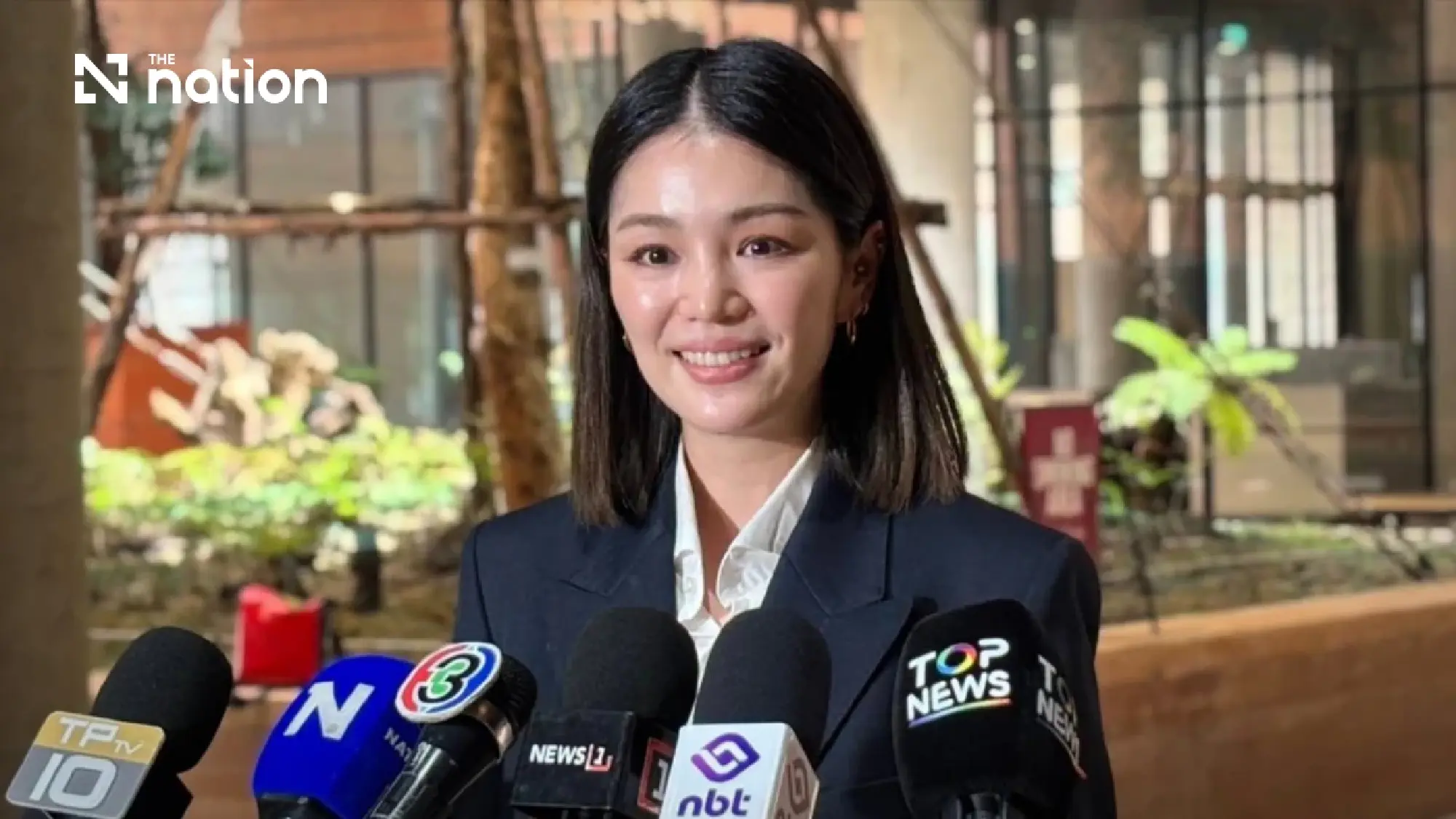
Watanya Bunnag, better known as “Madam Dear”, has called for a 12-billion-baht energy allocation to be removed from Thailand’s fiscal 2027 central budget, warning that it could give the executive a “blank cheque” to redirect the money later.
Watanya, a non-MP member on the special House committee scrutinising the fiscal 2027 budget bill, said the allocation duplicated funding already provided under the government’s emergency borrowing programme.
Energy allocation ‘duplicates’ borrowing plan
Speaking at Parliament ahead of the committee’s meeting on Monday, Watanya said the central-budget allocation had the same stated purpose as the 200-billion-baht energy-transition component of the government’s emergency loan decree.
The decree authorises borrowing of up to 400 billion baht, divided equally between measures to ease the effects of higher living and energy costs and longer-term projects supporting Thailand’s transition towards cleaner energy. The Constitutional Court ruled on July 9 that the decree was constitutional.
Watanya said both funding sources were intended to support economic recovery from the energy-price crisis and finance a transition away from fossil fuels towards green, alternative and clean energy.
She argued that the objectives were not merely similar but “identical word for word”.
Following the court’s ruling, Watanya said there was no longer any legal uncertainty preventing energy-transition projects from being financed through the borrowing decree. She therefore confirmed that she would seek to remove or substantially reduce the separate 12-billion-baht allocation.

Warning over executive discretion
Watanya said projects seeking funding under the emergency loan decree would be examined by a committee chaired by the permanent secretary for finance. The government would also be required to report periodically to Parliament on the use of the borrowed money.
By contrast, she said, the central-budget allocation had been proposed as a lump sum without specifying the projects or agencies that would ultimately receive the money.
Once Parliament approved the allocation, the Budget Bureau could revise its use, while lawmakers would have fewer opportunities to examine any subsequent changes, she argued.
Because the Budget Bureau operates under the Prime Minister’s Office, Watanya said she was concerned that the money could eventually be redirected towards activities other than those presented to Parliament.
“That would be no different from giving the executive a blank cheque for 12 billion baht,” she said, urging the committee to redirect the money towards more pressing priorities.
Matching-fund explanation rejected
The Budget Bureau has explained that the allocation would operate as a matching fund for agencies that have their own off-budget resources.
Under the proposed arrangement, participating agencies would contribute 50% of the cost from their own funds, with the central budget providing the remainder.
Watanya said this explanation showed that only the method of financing was different, while the objectives and projects remained effectively the same as those eligible for support under the emergency borrowing programme.
She said energy-transition projects should therefore be funded through the loan decree, where they would face a formal screening process, allowing the 12 billion baht in regular budget funding to be used for other urgent needs.
Government defends fund as risk-management tool
The government has previously rejected suggestions that the 12-billion-baht allocation would be an unrestricted pool of money.
Minister attached to the Prime Minister’s Office Paradorn Prissananantakul said during the budget debate that the allocation was intended as a risk-management measure rather than a fund without defined objectives.
He said the matching-fund approach would allow the government to draw on accumulated funds held by local authorities, revolving funds and other public-sector off-budget sources instead of relying entirely on new borrowing.
Watanya calls for wider spending reform
Watanya said the committee had also found potentially overlapping responsibilities among several state agencies.
She said Parliament should consider merging agencies, functions, offices or buildings where responsibilities were closely related, arguing that consolidation could reduce recurring expenditure.
She also warned that personnel and other regular expenses consumed most of the national budget, leaving increasingly limited resources for investment.
Although several agencies had seen their overall allocations reduced, personnel expenditure had continued to rise in some cases while operational budgets were cut, she said.
Watanya argued that this created a mismatch between staffing levels and the funds available for agencies to carry out their duties effectively.
