
Bhumjaithai MP proposes Thai PBS budget funding with public hearing until October 14
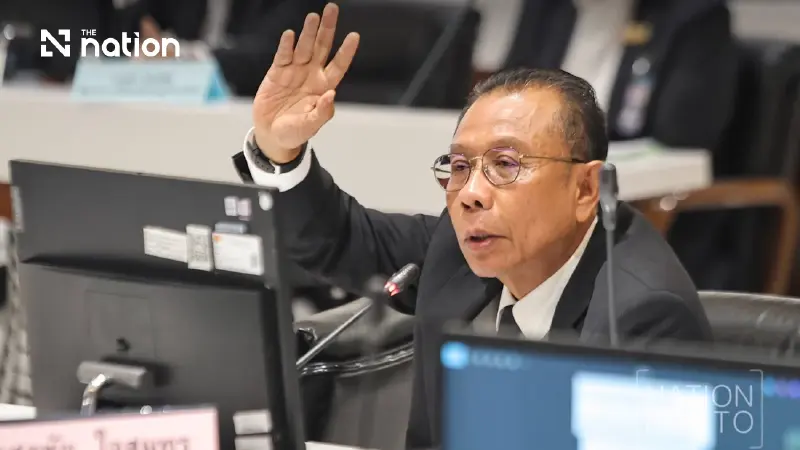


The Thai PBS bill cites fiscal discipline, while Nation TV questions whether annual budget approval could expose the broadcaster to political pressure.
- Bhumjaithai Party MP Supachai Jaisamut has proposed a bill to change Thai PBS's funding from levies on alcohol and tobacco to annual allocations from the state budget.
- A public hearing on the proposed amendment to the Thai Public Broadcasting Service Act is open for public input on the House of Representatives website until October 14, 2026.
- The stated rationale for the proposal is to apply consistent fiscal rules under the State Fiscal and Financial Disciplines Act of 2018.
- Concerns have been raised that tying Thai PBS's funding to the annual state budget could expose the broadcaster to political pressure and undermine its independence.
Bhumjaithai Party-list MP Supachai Jaisamut has proposed replacing the alcohol and tobacco levies that fund the Thai Public Broadcasting Service (Thai PBS) with annual state-budget allocations. Public hearing on the amendment runs from September 30 to October 14, 2026.
Supachai, chairman of Bhumjaithai’s legal affairs division, submitted the draft amendment to the Thai Public Broadcasting Service Act with a working group, according to Nation TV’s October 1 report. The proposal has been classified as a money bill.
The Secretariat of the House of Representatives opened the Thai PBS bill for public hearing under Section 77 of the Constitution through the House website.
Bill would replace Thai PBS levies with annual funding
Supachai’s Thai PBS bill proposes two principal statutory changes:
- Amend Section 11(1), governing the organisation’s capital, assets and income.
- Repeal Sections 12, 13, 14, 15 and 16, removing the provisions for collecting levies for the organisation under the laws governing alcohol and tobacco.
The bill’s explanatory statement describes the intended change as moving Thai PBS’s income “from levies collected from those liable for alcohol and tobacco taxes to funding received from the annual appropriations budget”.
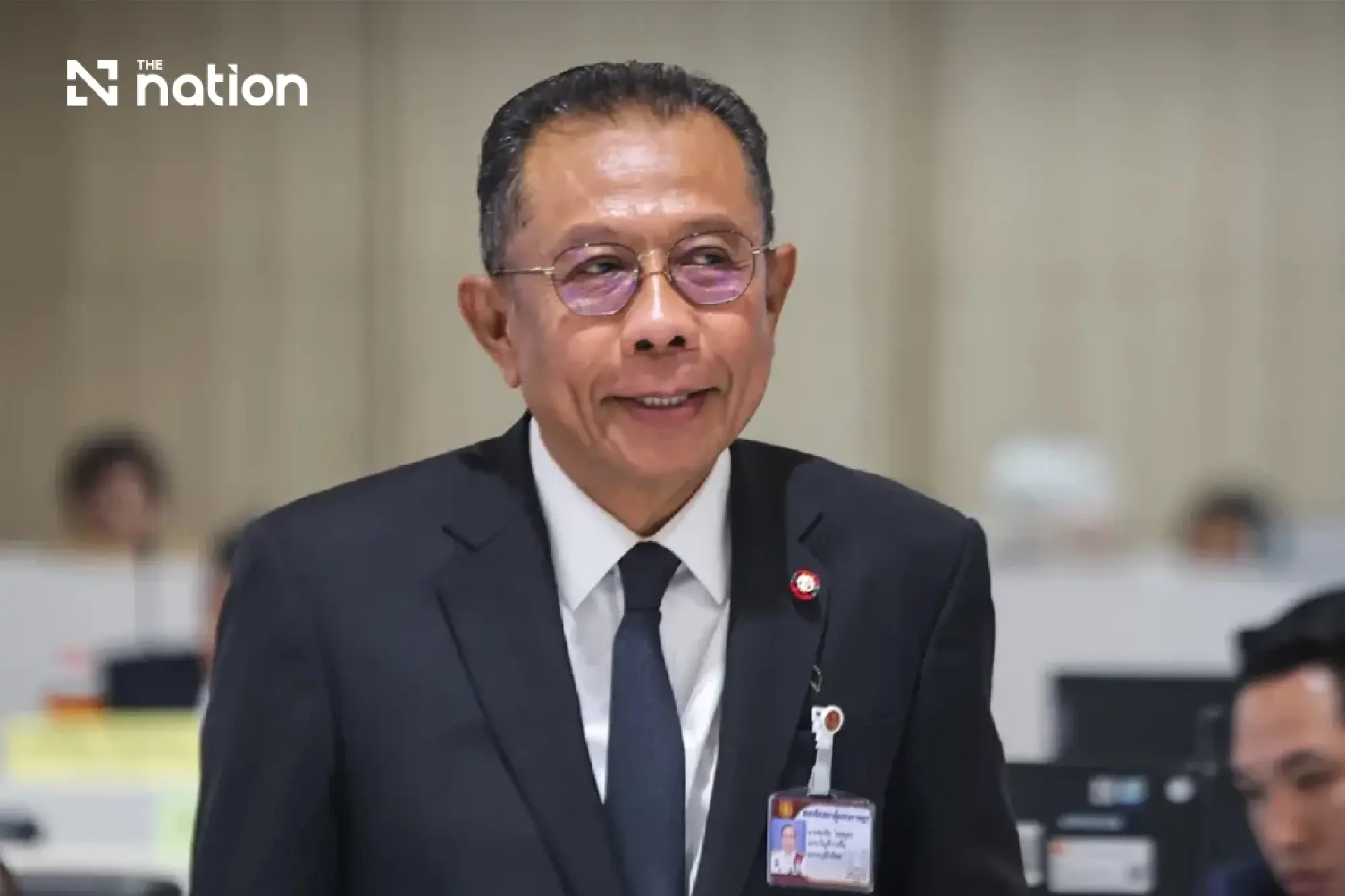

Supachai’s bill cites fiscal discipline
The stated rationale for Supachai’s proposal is to apply consistent fiscal rules and maintain the long-term stability of state finances under the State Fiscal and Financial Disciplines Act, B.E. 2561 (2018).
Section 26 of the 2018 fiscal discipline law restricts the introduction of legislation imposing additional taxes, duties or fees for a state agency’s own objectives or a particular purpose. The provision makes an exception for additional revenue collected for local government organisations.
Section 82 of the same law exempts relevant legislation already in force before the Act took effect from the Section 26 restriction. The exemption is contained in the Act’s transitional provisions.
The Thai PBS bill’s proponents acknowledge the exemption but argue that provisions they regard as inconsistent with uniform fiscal discipline should be repealed. Their argument focuses on laws allowing alcohol and tobacco levies to be paid directly to an organisation without being remitted as state revenue.
Nation TV questions implications for Thai PBS independence
Nation TV’s analysis questioned whether requiring Thai PBS to obtain annual funding through Cabinet and parliamentary approval could expose the broadcaster to political pressure. The concern is that budget reductions could become a means of bargaining, intimidation or interference when news coverage scrutinises the government.
Thai PBS’s published explanation of its financing says the existing model was designed to protect the broadcaster from political pressure associated with direct state subsidies. Nation TV also identified protection from commercial influence as a reason for earmarking alcohol and tobacco revenue for public broadcasting.
Nation TV questioned the proposal’s timing, pointing to what it described as political, economic and disaster-related pressures on the government, alongside concerns about public confidence in the justice system. Its analysis suggested that existing state media had not delivered sufficiently favourable coverage for the government and asked whether the funding amendment could move Thai PBS towards state control.
Funding proposal follows MCOT–Thai PBS merger reports
The amendment follows earlier reports of a possible merger between MCOT and Thai PBS, linked to financial losses at MCOT, which operates Channel 9. Nation TV noted questions over the legal feasibility of combining the organisations before the latest proposal to change the legislation governing Thai PBS’s funding.
