
Koh Samui crowned Asia-Pacific’s Best Island 2026
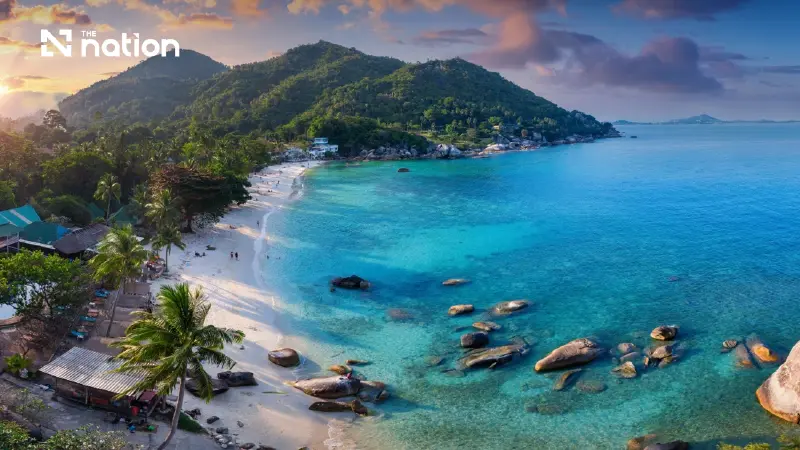


Koh Samui tops Travel + Leisure Luxury Awards 2026 Best Islands ranking, highlighting Thailand’s global tourism strength and luxury hospitality appeal
Koh Samui tops regional island rankings
The government has welcomed international recognition for Koh Samui after it was ranked No.1 in the “Best Islands” category for the Asia-Pacific region at the Travel + Leisure Luxury Awards 2026.
The award, presented by the globally recognised travel and lifestyle publication, reinforces the island’s position as a world-class tourism destination, highlighting both its natural environment and high-end hospitality services.
Officials said the result reflects effective destination management and the island’s readiness to welcome international visitors at luxury standards.
Government highlights tourism strength
Deputy government spokesperson Ploytalay Laksamisaengchan praised the achievement, stating that it underscores Thailand’s growing strength in sustainable and high-value tourism.
She noted that Koh Samui continues to combine luxury service standards with well-preserved natural assets, strengthening its global appeal.

Airport ranks among Asia-Pacific’s best
The island’s tourism infrastructure also received international recognition, with Samui International Airport ranked second in the “Best Airports” category across the Asia-Pacific region.
It was placed just behind Singapore’s Changi Airport, with its design praised for blending seamlessly with natural surroundings while maintaining passenger comfort and convenience.
Resorts dominate regional top 10 listings
Luxury accommodation on the island also performed strongly in the “Best Beach + Island Resorts in Thailand” category, with five properties ranked among the top 10.
These included:
- Cape Fahn Hotel Koh Samui – 2nd place
- Four Seasons Resort Koh Samui – 5th place
- Kimpton Kitalay Samui – 7th place
- Anantara Lawana Koh Samui Resort – 8th place
- Centara Reserve Samui – 9th place
The strong performance highlights Koh Samui’s growing reputation as a premium destination for high-end leisure travel.
Sustainable tourism push
The government said it remains committed to supporting island tourism development through policies focused on sustainability, safety, and improved connectivity.
Plans include infrastructure upgrades and enhanced air connectivity to island destinations, alongside efforts to distribute tourism income more evenly to local communities.
Authorities also reiterated their commitment to promoting sustainable tourism models aimed at preserving natural resources for future generations while strengthening long-term economic resilience.
