
Bangkok tops Time Out’s global nightlife list for 2026
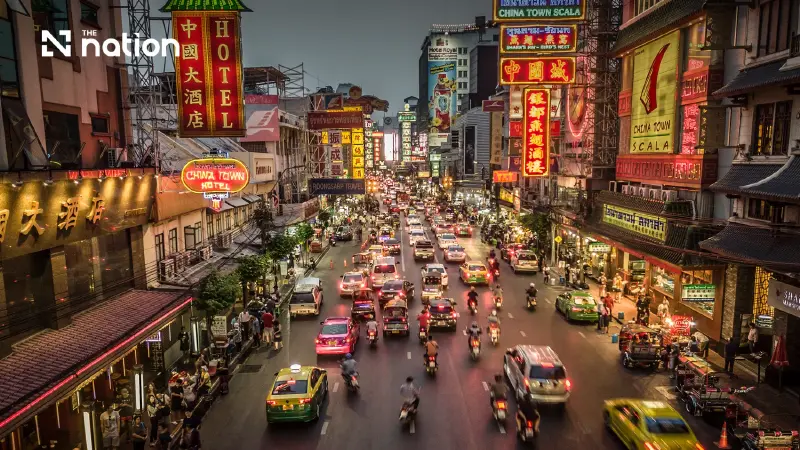


Bangkok climbs from 13th to first in Time Out’s 2026 ranking, driven by its mix of rooftop bars, late-night food and inclusive venues.
Bangkok has climbed from 13th place last year to the top of Time Out’s Best Cities for Nightlife 2026 ranking, placing Thailand’s capital ahead of some of the world’s most established after-dark destinations.
Berlin placed second, followed by New York City, Melbourne and São Paulo. Las Vegas, which led Time Out’s 2025 ranking, did not appear in this year’s top 10.
Time Out attributed Bangkok’s first-place finish to the breadth of experiences available after sunset, from skyline rooftop bars and large clubs to neighbourhood cocktail venues, street-side bars, late-night restaurants and a lively LGBTQ+ scene.
Seventy-three per cent of Bangkok residents surveyed rated the city’s nightlife as either “good” or “amazing”. The same proportion said it was easy to feel connected and find a sense of community in the city, while Bangkok received a 95% approval score from Time Out’s expert panel.
Bangkok offers several nights out in one city

Bangkok’s appeal extends beyond conventional nightclubs, allowing visitors to combine several styles of evening entertainment without leaving the capital.
A night can begin at a rooftop overlooking the skyline, continue at a neighbourhood cocktail bar or club and end with street food or a late meal in the early hours.
Time Out pointed to the way Bangkok’s nightlife frequently spills from bars onto busy streets, creating districts where visitors can move between venues rather than spending the entire night in one location.
The publication singled out Soi Nana in Chinatown for its bars in converted shophouses, while Thonglor and Silom were highlighted for rooftop venues and wider night-time choices. Silom’s queer-led bars and clubs were also cited as an important part of Bangkok’s inclusive nightlife identity.

Late-night food further distinguishes the city from destinations where dining options become limited after clubs and bars close. Bangkok offers everything from high-end restaurants to street-side dishes served well into the night.
Time Out described the combination of nightlife, food and street activity as central to Bangkok’s ability to provide different kinds of evenings within the same city.
Residents help determine the ranking
Time Out’s ranking was based primarily on the experiences of people living in the cities assessed rather than the views of short-term visitors alone.
More than 24,000 residents across 150 cities were asked about nightlife in their home cities, covering areas such as clubs, cocktail bars, affordability, overall quality and the ease of finding community.

Respondents were also asked whether their city felt safe, exciting, welcoming and diverse after dark.
Time Out then combined the survey findings with votes from a panel comprising its city editors, culture specialists and local nightlife experts. Only the highest-scoring city from each country was included in the final list to provide broader international representation.
The methodology allowed destinations to score well without relying solely on major clubs. Neighbourhood pubs, cocktail bars, live music, drag performances, nightlife districts, community spaces and late-night food were also considered part of a city’s night-time appeal.
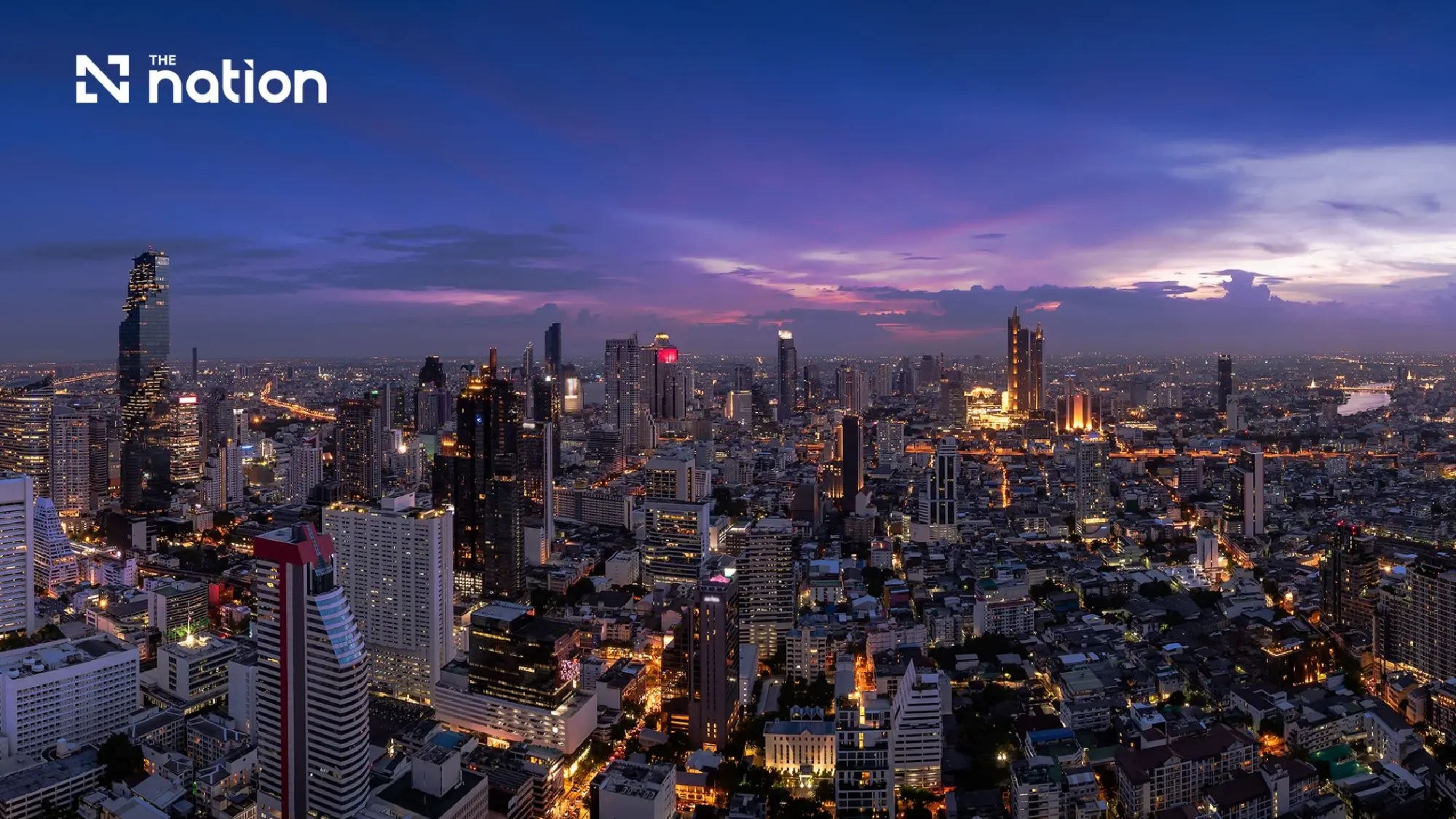

World’s top 10 nightlife cities for 2026
Time Out’s 10 highest-ranked cities were:
- Bangkok, Thailand
- Berlin, Germany
- New York City, United States
- Melbourne, Australia
- São Paulo, Brazil
- Medellín, Colombia
- Johannesburg, South Africa
- Brighton, United Kingdom
- Beijing, China
- Amsterdam, Netherlands
Berlin retained its reputation as a major European nightlife destination, while New York ranked third after receiving strong ratings for excitement, diversity and liveliness.
Melbourne’s combination of live music, LGBTQ+ venues, cocktail bars and neighbourhood pubs secured fourth place, while São Paulo completed the top five with its mix of rooftop clubs, listening bars, samba evenings and karaoke.
Bangkok’s rise to first place follows its 13th-place position in 2025, when Las Vegas topped the ranking ahead of Madrid and Paris.
