
Private sector backs Thailand’s proposed THB450 tourist fee
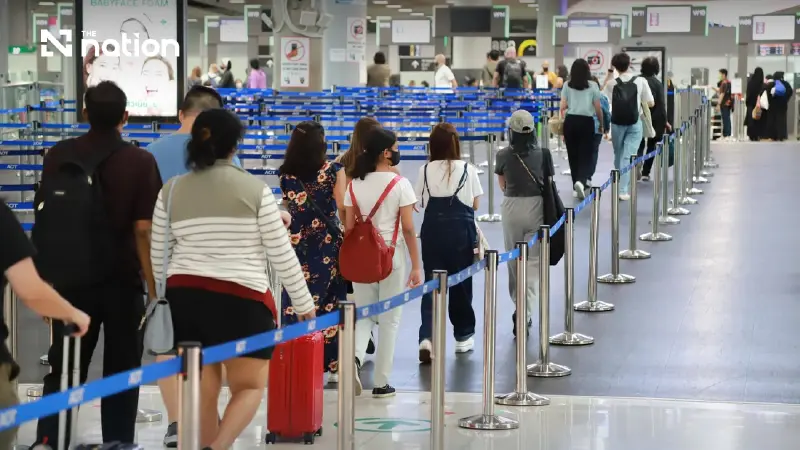


Thailand’s proposed THB450 tourist fee would fund visitor insurance and tourism upgrades, setting it apart from levies in Venice, New Zealand and Japan.
- Thailand's private sector has backed a proposed THB450 fee for foreign tourists arriving in the country.
- Revenue from the fee will be used to provide insurance cover for visitors and to fund the development and maintenance of tourist destinations.
- Business representatives have recommended that the collection process be convenient and that there is transparency in how the funds are managed.
- The scheme could begin for travellers arriving by air in the first quarter of 2027, subject to final government approval.
Thailand’s proposed THB450 tourist fee is designed to deliver benefits beyond entry itself: part of the revenue would finance insurance for fee-paying foreign visitors, while the remainder would support safer, better-maintained and more sustainable destinations.
That gives Thailand’s plan a different emphasis from visitor levies in Venice, New Zealand and Japan, where travellers primarily benefit through investment in tourism infrastructure, conservation, destination management and an improved travel experience.
The Ministry of Tourism and Sports plans to seek approval for the fee, initially for eligible foreign tourists arriving by air, with collection from land and sea arrivals postponed for a year. Permanent Secretary Natthriya Thaweevong has indicated that collection could begin in the first quarter of 2027, subject to Cabinet approval and publication in the Royal Gazette.
Revenue would go to the Thailand Tourism Promotion Fund, with part used to arrange insurance for fee-paying visitors and the remainder allocated to tourism development, restoration and management.
What would tourists get for the fee?
For foreign visitors, the most distinctive proposed benefit is insurance providing death benefits and cover for medical expenses, subject to policy conditions that are still being finalised.
Tourism and Sports Minister Surasak Phancharoenworakul described tourism as a key driver of Thailand’s economy, noting that more than 22 million foreign tourists visited the country between January and September 2026, generating more than THB1 trillion in revenue. He stressed that maintaining traveller confidence required both stronger safety measures and high-quality tourism destinations.
The insurance plan is intended to strengthen that protection while helping hospitals recover treatment costs. The government also wants the system to enable hospitals to verify visitors’ eligibility and receive reimbursement efficiently.
Private-sector representatives have also recommended measures to ensure the scheme provides clear value for travellers. They noted that more than 80% of tourists, particularly those from Europe and the United States, are estimated to already have travel insurance, and called for the benefits, cover and policy conditions under Thailand’s scheme to be communicated clearly. They also recommended a convenient collection process that would not affect travel decisions or cause additional delays at immigration.
Venice takes a different approach. During its 2026 trial, most day visitors to the historic city paid EUR5 when booking in advance or EUR10 closer to their visit on 60 selected days. The proceeds support tourism-related measures, including the maintenance and rehabilitation of cultural and environmental heritage and local public facilities, while the fee also helps manage visitor flows.
New Zealand’s International Visitor Conservation and Tourism Levy, set at NZD100, supports visitor infrastructure and experiences, the protection and restoration of natural landscapes and biodiversity, and wider tourism priorities. Travellers therefore benefit mainly through the destinations and services the levy helps maintain.
Japan’s International Tourist Tax rose to JPY3,000 per departure on 1 July 2026. Its revenue supports more convenient travel, better visitor information, tourism resources based on local culture and nature, and measures to manage overtourism.
Where would Thailand’s money go?
Thailand’s model combines those destination-level benefits with the proposed insurance component. After collection and insurance costs, the government expects at least THB8 billion to remain for tourism development, including the rehabilitation of attractions, the conservation and restoration of natural resources, tourism promotion and community support. This would provide the industry with a recurring source of funding beyond the annual state budget.
Surasak explained that the policy was intended to generate tourism funding, provide insurance protection, support hospitals in recovering treatment costs, ease the burden on taxpayers and channel support to tourism destinations and communities.
The insurance component could also support the financial sustainability of healthcare services that treat foreign patients. According to Public Health Minister Pattana Promphat, data from 32 hospitals for 2024 showed charges totalling THB16.957 billion for foreign patients, of which THB9.935 billion was collected. Hospitals therefore received about THB59 for every THB100 billed, leaving a shortfall of roughly THB7 billion.
The government sees the planned insurance as one way to improve the recovery of treatment costs for eligible visitors while giving them greater protection during their stay.
Businesses have also recommended strong transparency measures for the fund. They want revenue, disbursements, insurance costs and the results of tourism-development projects to be publicly disclosed, with oversight mechanisms that allow the fund’s operations to be scrutinised. They have also proposed exemptions for border traders and frequent cross-border travellers.
An online consultation attracted 5,954 responses, with 80.5% supporting the draft and 78.3% backing the THB450 rate. Of the proposed collection methods, 36.26% favoured adding the charge to travel tickets to minimise additional procedures and potential delays at immigration.
The ministry will combine feedback from the consultation forum with the online results before submitting the draft first to the National Tourism Policy Committee and then to the Cabinet. It also plans further discussions with airlines, the Immigration Bureau and other agencies on collection methods, exemptions, insurance procurement and fund spending.
The comparison shows that tourist charges increasingly serve as a way for visitors to help fund the destinations they use. Venice, New Zealand and Japan largely return value through the places, services and systems that travellers use, while Thailand’s proposal would add a more direct benefit: insurance protection for fee-paying tourists, alongside long-term investment in safer, better-managed destinations and the wider tourism industry.
