
Thai FDA steps up enoki mushroom import checks after US Listeria alert
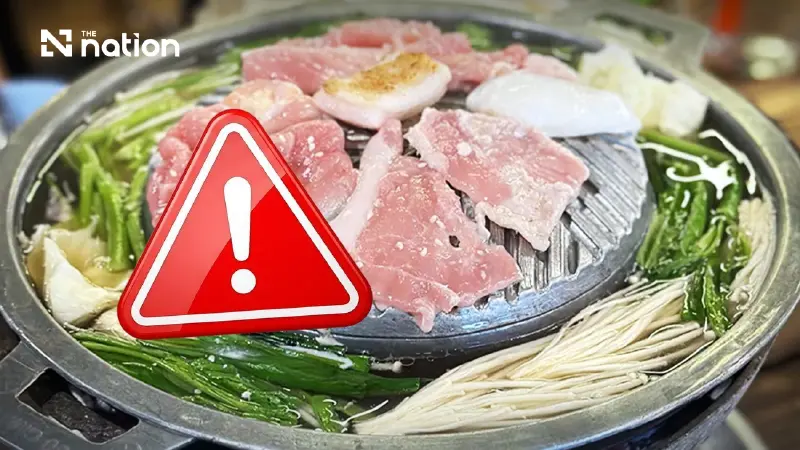


The Thai FDA says initial checks found no enoki imports from the flagged producer and urges thorough cooking as it increases testing of imported mushrooms.
- Thailand's Food and Drug Administration (FDA) is increasing its sampling and testing of imported enoki mushrooms for Listeria.
- The action is a response to a US FDA alert that found Listeria monocytogenes contamination in enoki mushrooms from specific Chinese producers.
- Preliminary checks by the Thai FDA found no imports into Thailand from the specific producer mentioned in the US alert.
- The agency has assured the public that enoki mushrooms are safe to eat if cooked thoroughly at temperatures above 70°C, as heat kills the Listeria bacteria.
An alert from the US Food and Drug Administration (US FDA) following the detection of Listeria monocytogenes contamination in enoki mushrooms from certain Chinese producers has caused alarm among food lovers and health-conscious consumers.
Pharmacist Supattra Boonserm, secretary-general of Thailand’s Food and Drug Administration (Thai FDA), said on Wednesday (October 28, 2026) that preliminary checks of import records had found no imports into Thailand of enoki mushrooms from the producer covered by the latest alert.
Supattra said Import Alert 99-35 is a US import control measure applying to products from the specified producers.
The Thai FDA is monitoring the alert and stepping up sampling of imported enoki mushrooms on the market for laboratory analysis to detect Listeria.
The agency also continues to monitor imported food according to risk levels to ensure the highest level of safety.

What is “Listeria”, and why is it dangerous?
Listeria (Listeria monocytogenes) is a bacterium found widely in nature, including in soil, water and animal faeces.
Supattra explained that the bacteria can therefore contaminate vegetables and agricultural produce and are not confined to enoki mushrooms.
A particular concern is their ability to grow well even at low temperatures, such as those in a refrigerator.
Listeria causes food to spoil and can survive in cold conditions, even in a freezer.
It can therefore contaminate food, including chilled food, and food production equipment, with inadequate cleaning allowing contamination to occur.
Foods at risk of contamination
- Fresh and chilled vegetables, chilled fruit and enoki mushrooms.
- Unpasteurised fresh milk and soft cheeses.
- Raw meat or refrigerated processed foods, such as sausages, hot dogs and cold cuts.
Symptoms and the hidden dangers of listeriosis
- Common symptoms: Diarrhoea, fever, headaches and body aches, resembling flu or food poisoning.
- Severe symptoms: If the bacteria enter the bloodstream or nervous system, they can cause meningitis or bloodstream infections, with a fatality rate as high as 20–30%.
Groups at risk of life-threatening illness
- Pregnant women: They face a higher risk than the general population. Infection can lead to miscarriage, stillbirth or severe infection in the newborn.
- Newborn babies and older people aged 65 and over.
- People with weakened immune systems, including cancer patients, people with HIV and those taking immunosuppressants.
Enoki mushrooms remain safe to eat when cooked thoroughly
The Thai FDA stressed that Listeria can be killed by heat when food is cooked properly. People can therefore continue eating enoki mushrooms and other vegetables with confidence by following the five keys to safer food promoted by the World Health Organization (WHO):
- Cook thoroughly at temperatures above 70°C: For popular dishes such as shabu, suki and mu kratha, boil enoki mushrooms until fully cooked. Never eat them raw, undercooked or only briefly blanched.
- Separate raw and cooked food: Keep raw ingredients away from ready-to-eat food, and use separate chopping boards, knives and plates to prevent cross-contamination.
- Keep clean: Wash hands thoroughly before and during food preparation, and regularly wash fruit, vegetables and kitchen utensils.
- Keep food at safe temperatures: Store foods that require refrigeration below 4°C.
- Use clean water and ingredients: Buy fresh ingredients from reliable sources, in packaging you can trust.
