
Six Thai destinations earn global green honours for 2026
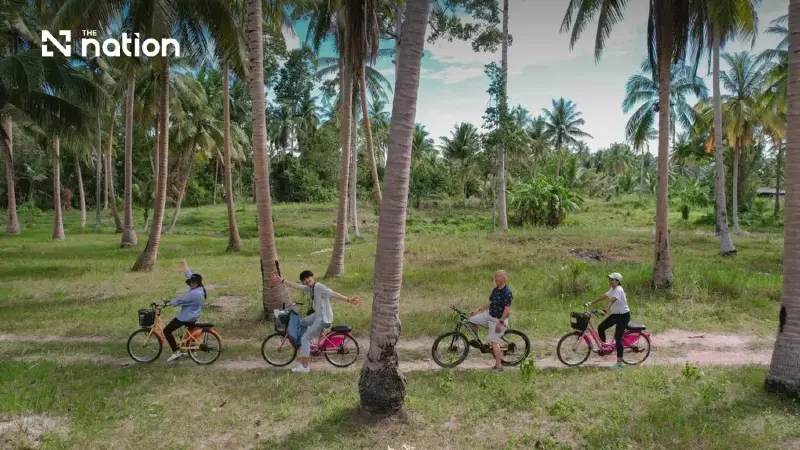


Six Thai destinations enter the Green Destinations Top 100 Stories 2026, showcasing local action on heritage, greener travel and marine waste.
- Six destinations in Thailand received "Green Destinations Top 100 Stories 2026" recognition for their sustainable tourism efforts.
- The awards honored community-led projects focused on tackling environmental pressures, protecting cultural heritage, and improving tourism management.
- Winning initiatives included training residents to share local stories, promoting eco-friendly hotels, transitioning to electric transport, and upcycling marine waste.
- The Designated Areas for Sustainable Tourism Administration (DASTA) supported the six entries, which represents the largest number of recognized areas for the organization to date.
Six Thai destinations received Green Destinations Top 100 Stories 2026 recognition in Kranj, Slovenia, on October 28, 2026, for community projects tackling environmental pressures, protecting cultural heritage and improving tourism management.
The six entries were supported by the Designated Areas for Sustainable Tourism Administration (Public Organization), or DASTA. Their recognition highlights practical approaches to managing tourism, from training residents to share local stories to replacing fuel-powered transport and turning marine waste into useful products.
Siripakorn Cheawsamoot, DASTA’s director-general, accepted the honours on behalf of the six destinations. He described the achievement as a source of national pride and evidence of cooperation that other communities could learn from and adapt.
Siripakorn also noted that 2026 marked the largest number of recognised entries from DASTA’s designated areas since the organisation began participating in the programme.

Six community projects address local tourism pressures
The six recognised projects place residents at the centre of decisions about their destinations. Each responds to local challenges involving visitor management, transport, cultural conservation or natural resources.
1. Chiang Khan, Loei: equipping residents to share local stories
The entry, Chiang Khan Studies: Weaving Stories, Empowering Local Communicators Towards Sustainability, was recognised in the People & Community category.
The Chiang Khan Studies curriculum helps residents, traders and fishers develop the skills to explain local history, ways of life and sustainable tourism to visitors. The programme responds to changes affecting the Mekong River and challenges in managing tourism, while promoting more meaningful visitor experiences and spreading income within the community.

2. Nan Old Town, Nan: building a network of greener hotels
The Power of Partnership: Promoting Eco-Friendly Hotels through Nan’s Accommodation Network was recognised in the Visitor Experiences & Destination Management category.
The project uses cooperation among accommodation operators to encourage environmentally friendly hotels and connect their businesses with community-based tourism. The approach addresses waste, traffic and the effects of natural disasters while supporting Nan’s ambition to become a low-carbon destination.
3. Sukhothai Old Town, Sukhothai: connecting heritage and communities through greener transport
Mueang Kao Sukhothai: Where Green Mobility Connects World Heritage and Community was recognised in the Visitor Experiences & Destination Management category.
Its “Green Historical Park” approach encourages reduced use of fuel-powered vehicles within the inner area of Sukhothai Historical Park and supports a transition from motorised three-wheelers to electric vehicles. The initiative also promotes slow tourism and improvements to residents’ quality of life.
Post Today’s account cites greenhouse gas reductions of up to 45% associated with the project, although it does not specify the comparison baseline or assessment period.
4. U Thong Ancient City, Suphan Buri: keeping cultural heritage alive
U Thong Ancient City: Where Heritage Lives was recognised in the Culture & Heritage category.
Cooperation between civil society, government agencies and residents supports the regeneration of the area and the preservation of stories about the Dvaravati civilisation. Young people and other community members participate as heritage interpreters, helping connect the ancient city’s cultural significance with contemporary local life.

5. Ban Amphur Village, Chonburi: turning marine waste into useful products
Ban Amphur Village: Conquering the Marine Waste Crisis through the Application of Upcycled Innovations to Sustainable Traditional Fishing Practices was recognised in the Nature & Environment category.
The fishing community works with partner organisations to turn marine waste into higher-value products through upcycling. The initiative responds to waste pollution and coastal erosion while developing conservation-focused tourism linked to traditional fishing livelihoods.
6. Takhian Tia Village, Chonburi: protecting coconut groves and local traditions
Takhiantia: Protecting Nature and Culture through Community Based Tourism was recognised in the Culture & Heritage category.
The community uses tourism to help conserve coconut groves and traditional ways of life amid pressure from Pattaya’s expansion and changes in land use. The approach aims to generate economic opportunities while maintaining the natural and cultural resources on which the community depends.
DASTA connects local initiatives with international partners
DASTA used the Green Destinations Global Conference to exchange tourism strategies and management innovations with an international network. According to the organisation’s account, the gathering brought together more than 600 participants from 60 countries.
The main conference sessions took place on October 28–29, following a delegates’ welcome and book launch on October 27.
Siripakorn also participated in the launch discussion for a special edition of The Devotion Dividend by Dr Jens Thraenhart. The launch featured Iyad Kayali, regional director of the Good Travel Institute, and explored how destinations can build meaningful, lasting relationships between visitors and communities.
More than 10 other Thai initiatives supported by the Tourism Authority of Thailand, the Department of Tourism, local authorities and partner organisations also received recognition at the event, according to the supplied report.

Sustaining progress beyond international recognition
DASTA plans to work with its partners to adapt and expand the approaches demonstrated by the six projects, improving destination management and international standards while generating long-term benefits for residents and visitors.
The organisation has applied criteria developed by the Global Sustainable Tourism Council since 2019. DASTA’s approach seeks a balance between community interests, cultural preservation, environmental protection and visitor experiences.
The projects illustrate how sustainable tourism development can begin with specific local problems and cooperation between residents and public agencies, without depending entirely on large investment schemes.
Tourism growth without effective management can increase waste, congestion and pressure on resources while weakening local identity. Visitor numbers and revenue therefore provide only part of the picture; the condition of natural and cultural assets and residents’ quality of life also matter.
For the recognised destinations, the continuing challenge is to maintain community participation, manage resources effectively and track environmental results over time. DASTA’s planned expansion will depend on adapting each approach to local conditions and sustaining the work beyond the awards ceremony.

