
Iran threatens strikes on US-linked oil targets, raising fears of a fresh supply shock
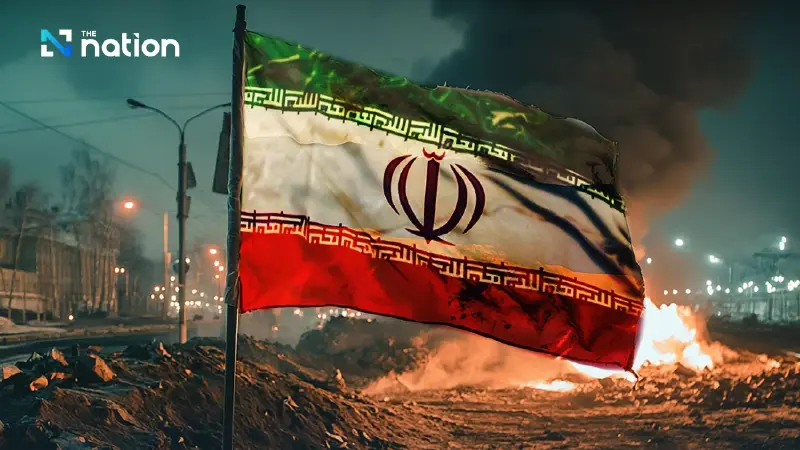


Iran has warned it will hit regional oil and energy infrastructure linked to the US if its own facilities are attacked, as President Donald Trump says US strikes hit military targets on Iran’s Kharg Island and hinted oil infrastructure could be next if shipping through Hormuz remains obstructed.
Iran has warned it will target oil and energy infrastructure in the Middle East linked to the United States if Iran’s own energy and economic infrastructure comes under attack, fuelling concerns that a new wave of strikes could intensify the global supply shock as the conflict enters a third week.
According to US media reporting citing Iranian state television, Ebrahim Zolfaghari, a spokesperson for Iran’s Khatam al-Anbiya Central Headquarters, said Iran would target “all oil, economic, and energy infrastructures belonging to oil companies across the region that have American shares or cooperate with America” if Iran’s energy and economic infrastructure is attacked.
The warning comes after US President Donald Trump said the United States struck military targets on Kharg Island, Iran’s main oil-export hub, while sparing oil facilities for now. In a post on Truth Social, Trump wrote: “However, should Iran, or anyone else, do anything to interfere with the Free and Safe Passage of Ships through the Strait of Hormuz, I will immediately reconsider this decision.”
Kharg Island handles about 90% of Iran’s crude exports, making it a key risk point for markets already grappling with severe disruption to shipping through the Strait of Hormuz, a conduit for roughly a fifth of the world’s oil flows. Reuters has reported that traffic through the strait has dropped by 97% since the conflict began, based on UN data.
Analysts said the latest warnings have raised the stakes. Rachel Ziemba of the Center for a New American Security was quoted as saying: “It’s Trump trying to escalate in order to de-escalate… The biggest risk to oil markets, and the war, is whether Iran retaliates.” JPMorgan has also warned that a direct strike on Kharg could immediately halt most Iranian crude exports and trigger severe retaliation in Hormuz or against regional energy infrastructure.
Oil prices have surged since the conflict began, with Reuters reporting Brent and WTI up sharply and briefly spiking above $119 a barrel earlier this month amid the Hormuz disruption. The International Energy Agency has described the situation as the biggest oil supply disruption in history and has agreed a record release of strategic stocks.
