
90 days of US-Iran conflict shake global energy as Hormuz crisis remains unresolved
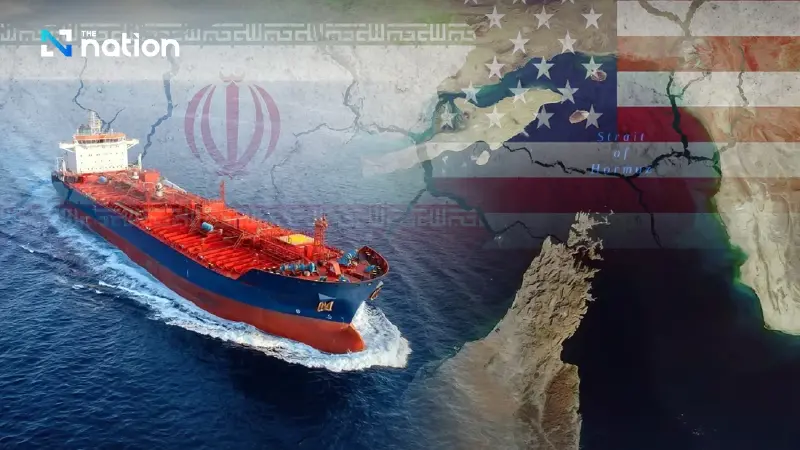


The US-Iran conflict has disrupted global energy markets, pushed up shipping and fuel costs, and left the Strait of Hormuz crisis unresolved after more than 90 days.
- A 90-day conflict, triggered by US/Israeli strikes on Iran, led Iran to declare the vital Strait of Hormuz a "dead zone," severely disrupting global energy shipments.
- The disruption caused Brent crude oil prices to surge past $100 per barrel, significantly increasing energy costs worldwide and stranding over 2,000 cargo ships.
- The situation escalated with a "dual blockade" as the US blockaded Iranian ports, and after three months, the conflict has become a stalemate with no clear winner.
- Despite recent talks about a potential deal to allow shipping, the crisis remains unresolved as no final agreement has been reached, leaving the Strait of Hormuz a major risk to the global economy.
The conflict between the United States, Israel and Iran, which erupted on February 28, 2026, has become one of the most severe geopolitical crises in decades. It has been dubbed the “Third Gulf War” because of its wide-ranging impact on global security, energy and the world economy.
Origins and escalation of the war
The key trigger was the launch of the United States’ Operation Epic Fury and Israel’s Operation Roaring Lion, which targeted Iran’s military sites and nuclear infrastructure. The operations also reportedly included strikes against senior Iranian leadership, including Supreme Leader Ayatollah Ali Khamenei and several high-ranking officials.
Iran responded immediately with missile and drone attacks on US and allied bases in the Middle East. It then expanded the conflict to the maritime front by declaring the Strait of Hormuz a “dead zone”, using mines, explosive drones and armed speedboats to threaten vessels passing through the strait if they failed to comply with its rules.
The situation worsened after talks in Islamabad, Pakistan, collapsed. President Donald Trump then announced a full naval blockade of Iran from April 13, creating an unprecedented “dual blockade” — with Iran restricting the Strait of Hormuz while the US blockaded Iranian ports.
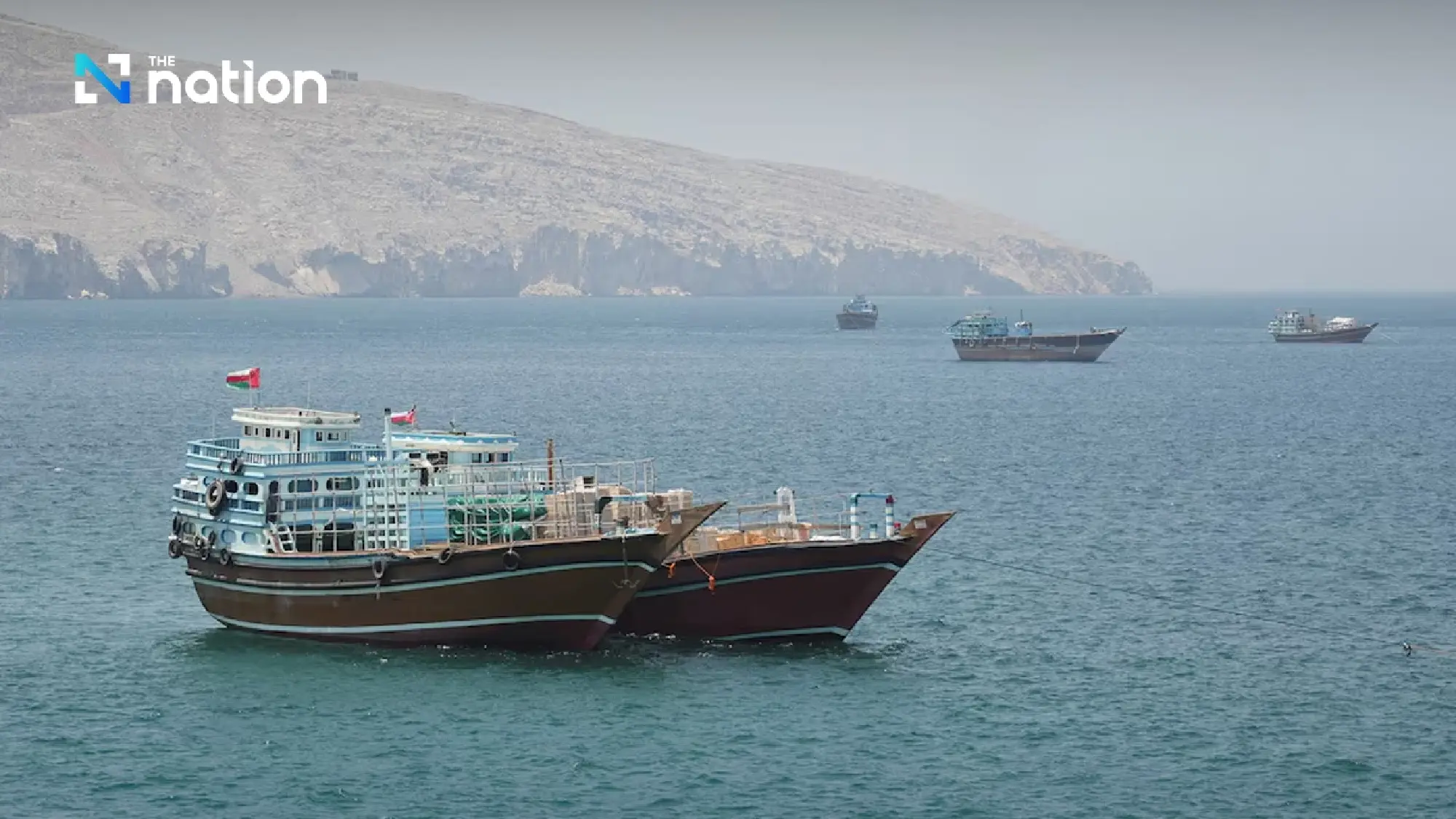

Strait of Hormuz: a global strategic chokepoint
The Strait of Hormuz is a vital artery of the world economy, serving as a key route for oil and natural gas shipments from the Middle East to global markets.
The disruption sent Brent crude prices above US$100 per barrel before reaching a peak of US$126-139 per barrel in March, rapidly increasing energy costs worldwide.
The crisis also caused shortages of fertiliser, as more than 30% of global fertiliser trade depends on the route, as well as helium gas used in the semiconductor, aviation and medical industries.
Latest data indicates that more than 2,000 cargo ships and oil tankers have been left stranded in the Persian Gulf and nearby areas, causing significant damage to global supply chains.
Iran suffers heavy damage as US and Israel bear rising costs
Although Iran has maintained its ability to retaliate, it has suffered massive economic damage, estimated at between US$300 billion and US$1 trillion.
Several energy infrastructure sites have been hit, while Tehran has faced so-called “black rain” caused by smoke and pollution from destroyed oil storage facilities.
The United States has had to shoulder high military costs and the burden of securing shipping routes. Israel, meanwhile, has faced retaliatory attacks from Iran-linked networks in the region.
US allies in the Gulf, including Saudi Arabia, the United Arab Emirates and Bahrain, have also been affected by security risks and soaring maritime insurance costs.

Global powers divide more clearly
China and Russia have opposed the use of military force and called for all sides to return to negotiations.
China has also played an important role in supporting Iran’s use of the BeiDou satellite navigation and positioning system as an alternative to GPS in some missions.
Most European countries have supported de-escalation and pushed for negotiations, amid concerns over the impact on energy prices, inflation and economic growth.
Ceasefire efforts fail to secure lasting peace
Pakistan helped broker a temporary two-week ceasefire from April 8, but the truce failed to produce lasting peace.
The key unresolved issues include Iran’s nuclear programme, the removal of sanctions, the situation in Lebanon, an end to the naval blockade and the return of frozen Iranian assets.
Iran has proposed 10-14 conditions covering an end to the war on all fronts, while the United States has maintained a hard line, demanding that Iran accept conditions without preconditions.
Hormuz situation eases but remains unresolved
A major development came on May 29, 2026, after reports of progress in talks over a possible deal to extend the ceasefire, allow shipping through the Strait of Hormuz and lift the US blockade. However, Reuters reported that the deal had not yet been finalised.
Iran still retains significant influence over navigation through the Strait of Hormuz. There have also been reports of military escorts for cargo convoys and occasional violations of ceasefire arrangements.
For Thailand, the main impact has come through higher oil import costs, electricity prices and transport expenses, all of which have added pressure on inflation and household purchasing power.
In March, some petrol stations reportedly began facing diesel shortages, while exporters were hit by higher logistics costs.
Several academics have proposed that Thailand adopt a policy of “proactive neutrality” under the concept of “Food for Peace”, using the country’s strengths in food and agriculture as tools of diplomacy and humanitarian support.
Final solution still depends on negotiations
After more than 90 days, the war has produced no clear winner. The situation remains a stalemate, with both sides still capable of inflicting damage on each other.
Although economic pressure is pushing all parties back towards the negotiating table, the US-Iran crisis will remain a major risk to the global economy in the second half of 2026 unless agreement can be reached on Iran’s nuclear programme, sanctions and a new security framework for the Middle East.
The conflict could yet become a turning point in the emerging new world order.
