
Pataya Food Group and Umios Partner to Fuel Growth in Asia
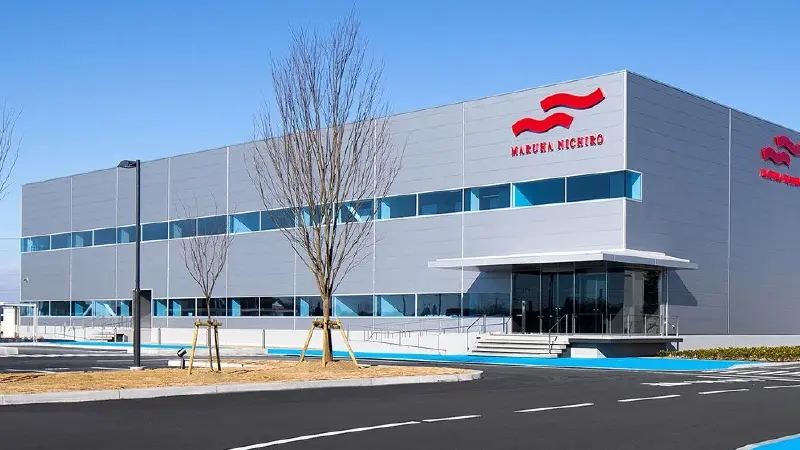


Pataya Food Group partners with Japan's Umios Corporation, securing a 25.1% investment to expand seafood, pet food, and health product markets across Asia.
- Japan’s Umios Corporation has acquired a 25.1% stake in Thailand's Pataya Food Group (PFG) to form a strategic partnership for expansion across Asian markets.
- The collaboration aims for an average annual growth rate of 10% over the next three years by leveraging Umios' global distribution network.
- Growth will focus on two key areas: capitalizing on rising demand for protein like canned tuna and expanding PFG's pet food brands into international segments.
Pataya Food Group (PFG), a leading Thailand-based food manufacturer known for brands such as Nautilus, Regalos, and Remy, has entered into a strategic partnership with Japan’s Umios Corporation to expand its presence across Asian markets.
As part of the alliance, Umios—formerly known as Maruha Nichiro Corporation—has acquired a 25.1% stake in PFG, appointing representatives to the board to align strategic directions under their shared mission: "Enrich People's Life."

PFG, which recorded approximately USD 220 million (THB 7 billion+) in revenue in 2025, derives 65% of its sales from international markets.
Under CEO-designate Ms. Sudatip Kiatsrichart, the company is transitioning from traditional seafood manufacturing into an integrated food entity focused on brand building, high-value products, and nutritional innovation.
The partnership targets an average annual growth rate of 10% over the next three years.

The collaboration positions PFG to capitalize on two major regional shifts:
Protein Consumption: Canned tuna demand continues to rise, with the Asia-Pacific market projected to grow at a 6.07% CAGR through 2030, alongside an 8.5% year-on-year market expansion in Thailand.

Pet Humanization: Thailand’s USD 1.5 billion pet sector remains the largest in Southeast Asia.
PFG plans to scale its specialized pet food brands, Regalos and Remy, into higher-margin international segments.
With Umios bringing 145 years of industry experience and a global distribution footprint spanning over 70 countries, the alliance aims to strengthen core seafood operations while scaling PFG's functional food and pet care portfolios across Asia.
