
Sweltering Malaysian heatwave sparks air conditioning crisis
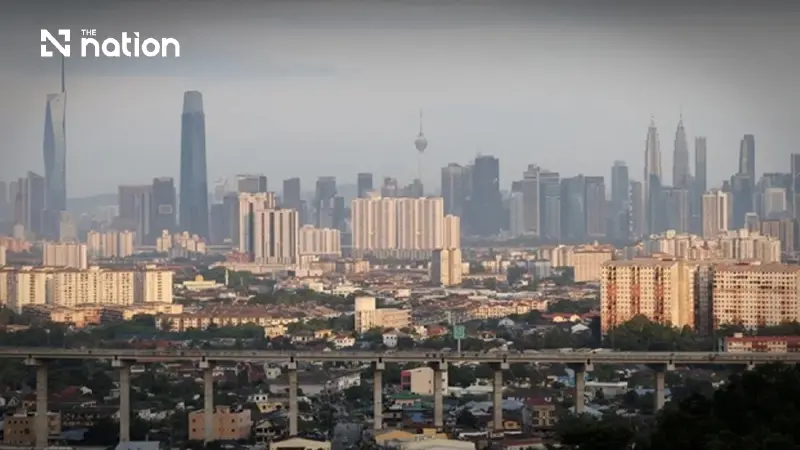


As temperatures soar to 37 degrees, desperate residents face immense waits for cooling repairs whilst seeking solar upgrades to slash their utility bills.
- An intense heatwave is causing air conditioners to break down from continuous use, overwhelming maintenance crews with service requests.
- Residents with broken units are facing multi-week delays for repairs, a significant increase from the standard one-week wait time.
- The high cost of running air conditioners constantly is prompting consumers to upgrade to more energy-efficient models or install solar panels to reduce electricity bills.
Scorching daily temperatures peaking between 35°C and 37°C have plunged Malaysia into a cooling crisis, leaving air conditioning maintenance crews completely overwhelmed.
Tradesmen are battling an unprecedented backlog of service requests as machinery breaks down under the strain of continuous operation.
Gary Ong, a 41-year-old technician, noted a dramatic spike in emergency calls, with his daily roster now exceeding ten site visits.
He explained that most faults stem from units being run ceaselessly and failing to chill rooms adequately.
Consequently, standard one-week wait times have ballooned into multi-week delays.
A fellow repairman, known simply as Faizal, echoed this sentiment.
Despite sympathising with vulnerable clients such as the elderly and young infants, he admitted that the sheer volume of jobs forces constant rescheduling.
Furthermore, Faizal observed a growing consumer interest in energy-saving appliances and methods to slash household outgoings.
On the consumer front, residents are desperately exploring alternatives to endure the sweltering conditions whilst mitigating exorbitant utility costs.
After his system collapsed in April, 68-year-old pensioner Michael Chua found his home intolerably hot.
With tradesmen fully booked, his maintenance appointment was deferred three times.
This left his household to rely on full-blast fans, which he lamented simply could not replicate the comfort of proper climate control, making nocturnal rest incredibly difficult.
Meanwhile, the financial toll of running conventional units has prompted proactive upgrades.
A local resident named Lee is currently investigating the installation of photovoltaic rooftop panels.
He hopes this solar solution will alleviate concerns about extended daytime usage and curb his escalating electricity expenses.
Similarly, 38-year-old marketing consultant Daniel Wong preemptively discarded three functional but outdated cooling units, trading them for modern inverter alternatives to achieve long-term financial savings.
Wong noticed a drastic surge in his power bills because the older hardware was operating almost endlessly to combat the adverse weather.
Driven by the need to maintain a comfortable environment for his young children, he concluded that a highly efficient setup was the only viable defence against the current climate.
THE STAR/ANN
