
Myanmar calls for wider energy and rail steps to reduce fuel imports
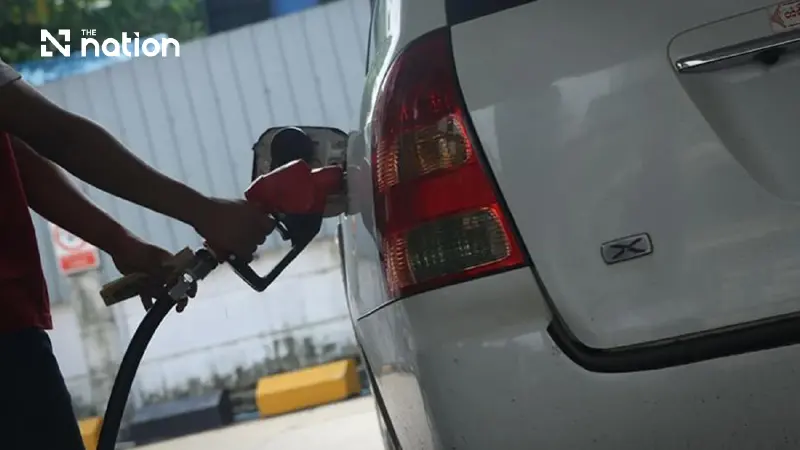


U Min Aung Hlaing puts coal-fired and solar power, railway upgrades and locally made EVs at the centre of Myanmar’s import-reduction push.
- Myanmar's government is implementing policies to reduce fuel imports in order to ease pressure on its foreign currency reserves.
- The plan calls for increased domestic electricity generation through projects like coal-fired and solar power plants.
- Improvements to the railway network, including more train services and the use of battery-powered locomotives, are being pursued to cut transport fuel consumption.
- The government is also promoting the domestic manufacturing of electric vehicles (EVs) as part of the import-reduction strategy.
Myanmar is seeking to ease pressure on its foreign currency reserves by cutting purchases of imported fuel and edible oil, with President U Min Aung Hlaing calling for a wider shift towards domestic production and lower fuel use across key sectors.
The president outlined the policy direction at a Union Government meeting on July 7, telling ministries and regional administrations to move forward with energy projects that could reduce the country’s dependence on imported fuel.
He pointed to coal-fired power plants and solar power schemes as part of efforts to generate more electricity locally.
The transport sector was also identified as a priority.
U Min Aung Hlaing called for improvements to the railway network, more train services and the use of battery-powered locomotives, arguing that lower fuel consumption in transport would help reduce imports while supporting economic growth.
He also placed electric vehicles within the same import-reduction agenda.
EVs assembled and manufactured entirely in Myanmar would, he noted, create employment, encourage technology transfer, bring down production costs and reduce reliance on imported products.
The meeting was attended by the president, vice presidents, Union ministers and senior officials, while region and state chief ministers took part via video conference.
Source: Eleven Myanmar
