
Japan’s top court considers assistant role for AI in civil trials
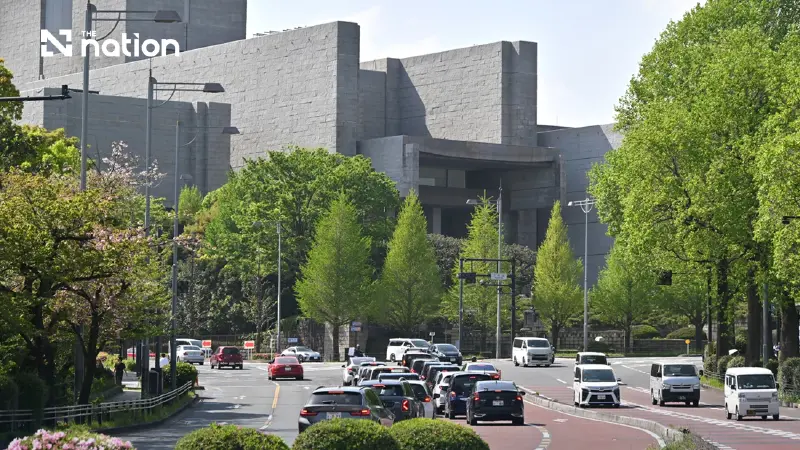


The fiscal 2027 request includes about 60 million yen to test AI-generated draft case summaries and issue lists while building safeguards for sensitive data.
- Japan's Supreme Court is planning a formal examination of using generative AI in an assistant role for judges in civil trials, scheduled for fiscal year 2027.
- An initial test by judges found AI could be useful for preparing case summaries and organizing points of contention, but also warned it could reinforce biases or produce incorrect information.
- To fund the next stage, the court has requested approximately 60 million yen for AI-related expenses in its budget, the first time it has done so.
- The main objective for considering AI is to streamline and shorten the duration of civil trials, which have become increasingly prolonged in recent years.
Japan’s Supreme Court plans a fiscal 2027 examination of generative artificial intelligence (AI) in civil proceedings, following an earlier conclusion that the technology should serve as an assistant to judges.
That conclusion came from a test conducted in January and February by a research group comprising six mid-career judges from the Tokyo and Osaka district courts.
Mock trial records formed the basis of the exercise.
The judges identified possible benefits in using AI to prepare summaries and organise points of contention.
They also found that the technology could reinforce judges’ biases by omitting important facts or disputed issues and could produce answers that appeared convincing despite being incorrect.
Funding for the next stage appears in the court’s fiscal 2027 budget request, announced on Monday (August 31).
The request includes about 60 million yen in AI-related expenses, marking the first time the Supreme Court has included such costs in a budget request.
It also contains about 38,743 million yen for digitising trial procedures, including criminal and domestic cases.
The demonstration will draw its material from lawsuits that have already concluded.
After judges and other officials enter documents into an AI system, it will be tested on tasks such as producing rough drafts of record summaries and lists of points of contention.
Under another part of the plan, the court will develop a system to prevent the disclosure of litigants’ personal information and companies’ trade secrets.
Prolonged civil trials have become a problem in recent years.
Masayuki Nagata, a senior official at the Supreme Court’s digital policy planning office, said: “Using AI is expected to streamline and shorten trials further.”
Nagata added: “We hope to present the results of the demonstration test within the next fiscal year.”

[Copyright The Jiji Press, Ltd.]
