
WMO warns powerful El Niño could make 2027 hottest year yet
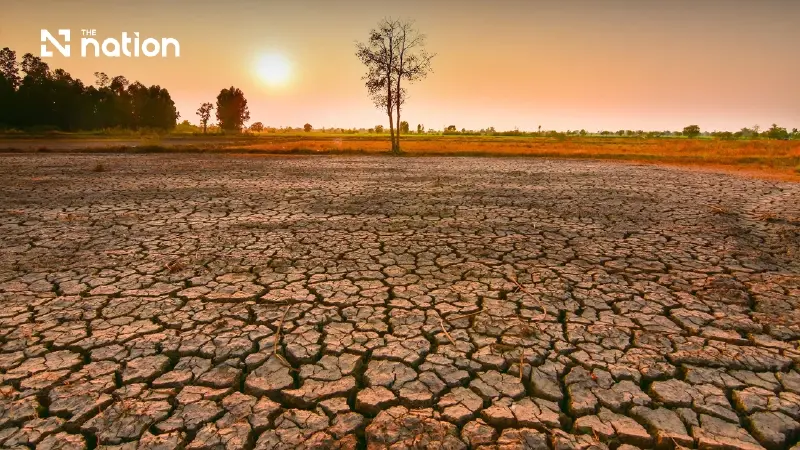


The WMO says El Niño is intensifying and could persist into February 2027, raising the risk of extreme heat, drought and heavy rainfall worldwide.
The World Meteorological Organization (WMO) has warned that El Niño is intensifying and could become the strongest event on record, with its effects on global weather potentially continuing into 2027.
The WMO said there was an almost 100% probability that El Niño conditions would persist until February 2027, driven by exceptionally high sea-surface temperatures in the Pacific Ocean.
Celeste Saulo, secretary-general of the WMO, said that if current trends continued, this El Niño could surpass all previous events recorded since systematic monitoring began.
El Niño develops when surface waters in the eastern tropical Pacific become unusually warm as trade winds weaken. The phenomenon typically occurs every two to seven years and can last for up to 12 months.
Its effects vary across regions, but a strong event can significantly alter global rainfall and temperature patterns, increasing the risk of drought, heavy rain and tropical storms.

Pacific temperatures more than 2C above normal
The WMO said Pacific sea-surface temperatures were more than 2 degrees Celsius above normal this year.
The current event is one of only four classified as “very strong” since records began in 1950.
Although El Niño is a naturally occurring climate phenomenon and is not directly caused by fossil-fuel use, global warming has raised ocean temperatures and could amplify its effects.
United Nations Secretary-General António Guterres said El Niño was becoming increasingly intense at a time when the world was already confronting unprecedented climate conditions.
The consequences have begun to appear in several regions. El Niño has affected tropical crops and contributed to severe food insecurity in Central America’s Dry Corridor.

2027 could become hottest year on record
The WMO expects El Niño to peak towards the end of 2026, although its influence on global temperatures and weather patterns is likely to continue into the following year.
Wilfran Moufouma Okia, head of climate prediction services at the WMO, said global average temperatures typically receive a temporary boost following a strong El Niño.
As a result, 2027 has the potential to become the hottest year ever recorded.
The WMO is urging governments to strengthen preparedness and early-warning systems so communities can act before severe impacts occur.
Recommended preparations include shifting towards more drought-resistant crops and strengthening contingency planning for agriculture, public health, energy systems and water resources.
