
US-Iran diplomatic hopes drive Brent to US$100.34 on September 21
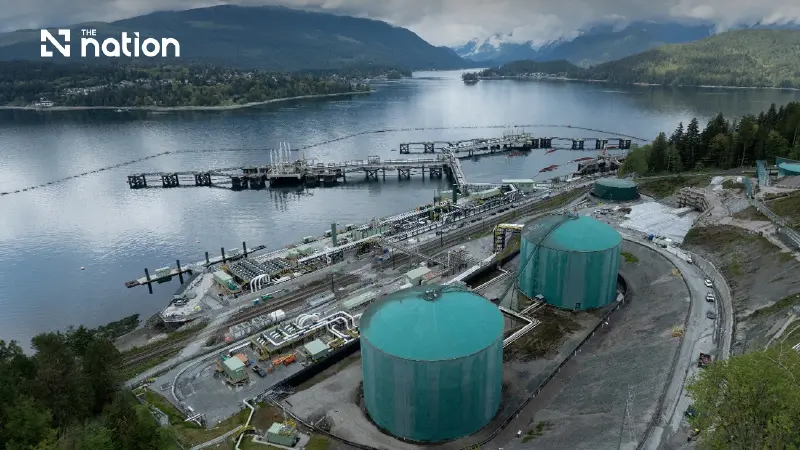


Saudi Aramco loaded about 14 million barrels on September 20 as US-Iran diplomatic hopes helped push oil prices to a 12-day low
- Brent crude oil fell 3.4% to US$100.34 a barrel on September 21, its lowest level in 12 days.
- The price drop was driven by hopes for a diplomatic breakthrough after the US President expressed willingness to meet with the Iranian President at the UN General Assembly.
- A partial recovery in Saudi Arabian oil shipments, which increased supply, also contributed to the downward pressure on oil prices.
Brent crude oil fell to US$100.34 a barrel on Monday (September 21, 2026), as hopes of US-Iran diplomacy and a partial recovery in Saudi Arabian shipments pushed the leading oil benchmarks to their lowest levels in 12 days.
The November Brent futures contract settled US$3.53 lower, a decline of 3.4%. US West Texas Intermediate (WTI) crude for October delivery fell US$4.52, or 4.51%, to US$95.78 a barrel ahead of the contract’s expiry on Tuesday (September 22).
The November WTI contract stood at US$92.47 a barrel. Both the November Brent and October WTI contracts reached their lowest levels since September 9.
Saudi shipments through Hormuz show a partial recovery
Saudi Aramco loaded approximately 14 million barrels of crude onto seven supertankers in the Gulf on Sunday (September 20), tanker-tracking data showed, reinforcing expectations that some disrupted Saudi supplies were returning to the market.
Saudi oil shipments through the Strait of Hormuz averaged 2.9 million barrels per day over the six days covered by satellite data cited in the September 21 report. The comparable flow in August was just 700,000 barrels per day.
Saudi Aramco has increased exports through Hormuz during September and October after Houthi attacks on the company’s East-West pipeline prompted a halt to some shipments through Yanbu on the Red Sea. Expectations of a partial recovery in Saudi shipments added to the downward pressure on oil prices.
Trump’s openness to an Iran meeting raises diplomatic hopes
US President Donald Trump said he would be willing to meet Iranian President Masoud Pezeshkian, despite Washington and Tehran exchanging fresh threats on Sunday (September 20). Pezeshkian was expected in New York during the week of September 21 for the United Nations General Assembly.
Iran’s security chief, Mohsen Rezaei, told Al Jazeera that Tehran had conveyed conditions to mediators for resuming negotiations.
Tamas Varga, an analyst at PVM Oil Associates, said investors were hoping for a breakthrough in peace talks during the week of the United Nations gathering.
Bob Yawger, director of energy futures at Mizuho, welcomed the prospect of diplomatic progress. “Just a couple days ago that would have seemed like a very far-flung idea,” Yawger said. “It’s a move in the right direction.”
Houthis claim attacks on Riyadh and an Aramco facility
Yemen’s Iran-backed Houthis said they had attacked what they described as “sensitive” sites in Riyadh and a Saudi Aramco facility in the Red Sea city of Yanbu. The Houthi movement was also pushing to sever access to the Red Sea coast from the remaining territory held by Saudi-backed forces.
China asked Iran to help restrain the Houthis after Saudi Arabia appealed to Beijing following the attacks, according to three Iranian sources familiar with the matter cited by Reuters.
Separately, Libya’s National Oil Corporation chairman, Massoud Suleman, told Reuters on Monday (September 21) that production at the Sharara oilfield had been partially reduced. Suleman did not explain the reason for the reduction.
