
Brent falls 2.6% to US$102.59 on September 29 as Middle East oil exports recover
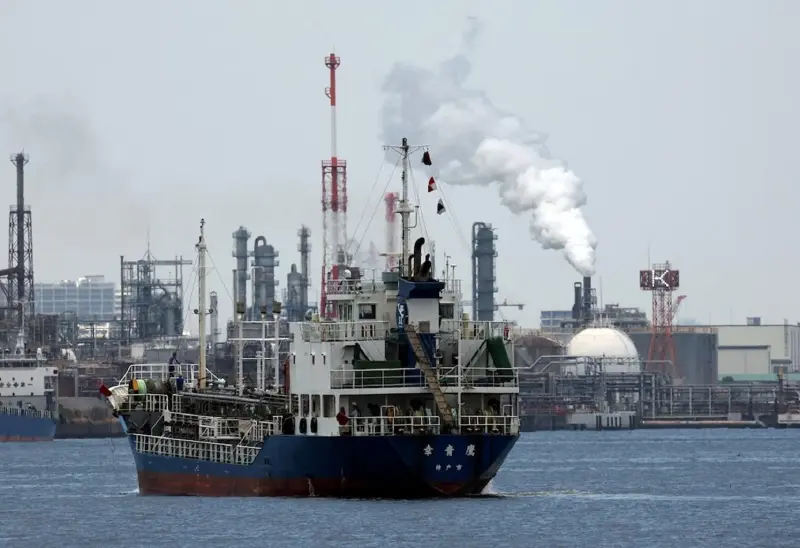


Saudi Arabia resumes oil loadings at Yanbu as Middle East exports recover, while US crude falls 3.5% and Washington weighs steps to ease diesel prices
- Brent crude futures fell 2.6% to settle at US$102.59 a barrel on September 29, easing some concerns about supply disruptions.
- The price drop was driven by signs of recovering oil exports from the Middle East, with regional shipments rebounding to their highest level since late February.
- A key factor in the recovery was Saudi Arabia resuming tanker loadings at its Red Sea hub of Yanbu after restarting its East-West Pipeline.
- Despite the daily decline, Brent remained on course for a monthly gain of around 13% due to persistent uncertainty over wartime supplies.
Brent crude futures fell 2.6% to US$102.59 a barrel on September 29, 2026, as signs of recovering Middle Eastern oil exports eased some concerns about supply disruption during the US-Israeli war on Iran. Brent ended the session US$2.69 lower, while US West Texas Intermediate (WTI) crude dropped US$3.22, or 3.5%, to settle at US$89.38 a barrel. Both benchmarks nevertheless remained on course for September gains as uncertainty over wartime supplies persisted. Brent’s expected monthly increase was at around 13% and WTI’s at about 4%.
Saudi loading restart improves export outlook
Saudi Arabia resumed tanker loadings at its Red Sea oil export hub of Yanbu after restarting the East-West Pipeline, according to trade sources and shipping data.
The resumption reinforced signs of a broader recovery in regional shipments. Kpler data released on September 28 showed crude exports from Middle Eastern producers had rebounded to 16.328 million barrels per day in September, the highest level since the US-Israeli war on Iran began in late February.
Dennis Kissler, senior vice president of trading at BOK Financial, attributed pressure on crude futures to increased flows through Saudi Arabia’s East-West Pipeline.
“US/Iran negotiations are also continuing and while seemingly far apart, both are looking for an off-ramp, and as more oil flows through the Middle East, the less bargaining power Iran will have,” Kissler said.

Trump rejects reports of concessions to Iran
US President Donald Trump denied offering Iran anything to end the war, rejecting reports that Washington was prepared to relax sanctions and release frozen funds.
Those reports, which cited US officials, said the proposed concessions would depend on Iran taking “concrete” steps concerning its nuclear programme.
Washington considers measures to ease diesel prices
US diesel futures traded 2.6% higher on September 29, while European diesel contracts edged lower.
The White House urged the European Union to release emergency diesel stocks to help bring down global prices, sources told Reuters. The Trump administration said several EU member countries had released less crude oil and refined fuel from their reserves than they had promised.
Trump was also considering regulatory changes permitting wider sales of red-dyed diesel, according to two people familiar with the discussions. The proposal, intended to ease soaring prices, had emerged as a leading alternative to a diesel export ban.
The proposed changes to red-dyed diesel sales could allow some buyers to avoid the federal fuel tax, the two sources said.
US crude and petrol inventories were expected to have declined during the previous week, while distillate stocks were forecast to remain unchanged, according to a preliminary Reuters poll released on September 28.
